Home Blog Page 5

How Soon Can I Refinance My House Maximizing Your Mortgage Flexibility

0

In the dynamic world of personal finance and real estate, understanding how to optimize your largest asset—your home—is paramount. For many homeowners, refinancing a mortgage presents a powerful opportunity to adjust financial terms, reduce costs, or unlock home equity. However, a common question often arises: how soon can I refinance my house after purchasing it or after a previous refinance? At Daily98news, we recognize the importance of precise, data-backed guidance in making such significant financial decisions. This article will delve into the intricacies of mortgage refinancing, exploring the crucial “seasoning periods” and other vital eligibility criteria that determine when this strategic move becomes a viable option for you.

Understanding Mortgage Refinancing: A Strategic Financial Tool

Understanding Mortgage Refinancing: A Strategic Financial Tool

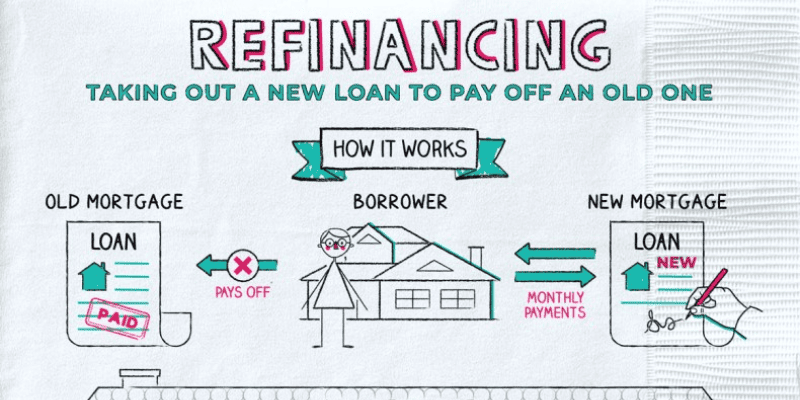
Mortgage refinancing involves replacing your existing home loan with a new one, often with different terms and conditions. It is not merely a change of paperwork but a complete overhaul of your mortgage agreement. Homeowners typically consider refinancing for a variety of strategic financial reasons. The most common objective is to secure a lower interest rate, which can significantly reduce monthly payments and the total interest paid over the life of the loan. Another popular goal is to shorten the loan term, allowing you to pay off your mortgage faster and build equity more quickly, albeit often with higher monthly payments.

Beyond adjusting rates and terms, refinancing can also be a valuable tool for accessing your home’s equity through a “cash-out refinance.” This option allows you to borrow a larger sum than your outstanding mortgage balance and receive the difference in cash, which can then be used for significant expenses like home improvements, debt consolidation, or education. Given these substantial benefits, understanding the eligibility landscape, particularly the timing, is critical for any homeowner looking to leverage their mortgage strategically.

How Soon Can You Refinance Your House? Demystifying Seasoning Periods
How Soon Can You Refinance Your House? Demystifying Seasoning Periods

The most direct answer to how soon can I refinance my house is that it largely depends on the type of loan you have and the specific refinancing program you are pursuing. Lenders and loan programs often impose “seasoning requirements,” which are minimum waiting periods after your original loan closing or a previous refinance before you become eligible for a new mortgage. These periods are designed to ensure stable ownership and a track record of responsible payment behavior.

It is essential to differentiate between a rate-and-term refinance and a cash-out refinance (borrowing against your home’s equity). Cash-out refinances generally have stricter seasoning requirements due to the increased risk for lenders.

Conventional Loans

For conventional loans, which are not government-insured, the seasoning requirements can vary. For a rate-and-term refinance, you may be able to refinance almost immediately after your previous closing, often as soon as 30 days. Some lenders, however, may impose their own six-month waiting period, especially if you intend to refinance with the same lender.

Cash-out refinances for conventional loans typically require a longer waiting period. Most lenders mandate a six-month waiting period after your original mortgage closing before you can qualify for a conventional cash-out refinance. It’s important to note that recent changes from Fannie Mae and Freddie Mac may require a full year of seasoning for cash-out refinances to use the current appraised value of the property. This is to ensure borrowers have made consistent payments and built sufficient equity.

FHA Loans

FHA (Federal Housing Administration) loans, known for their more flexible credit and down payment requirements, also have specific seasoning rules. For an FHA Streamline Refinance, which allows homeowners to refinance an existing FHA loan with minimal documentation, you typically need to wait at least 210 days from your original loan’s first payment due date and have made at least six on-time monthly payments.

For a standard FHA rate-and-term refinance, a six-month wait and a solid payment history are generally required. If you are considering an FHA cash-out refinance, the waiting period is typically longer, requiring at least 12 months of homeownership and a record of on-time payments for the past year. The property must also have been occupied as your primary residence.

VA Loans

VA loans, insured by the U.S. Department of Veterans Affairs for eligible service members and veterans, also have specific seasoning requirements. For an Interest Rate Reduction Refinance Loan (IRRRL), often called a VA Streamline Refinance, you must typically wait until the later of (1) 210 days from the first payment due date of the original loan or (2) the date you have made six consecutive monthly payments on the loan being refinanced.

For a VA cash-out refinance, while there isn’t always a specific waiting period mandated by the VA, most lenders prefer to see at least 6-12 months of payments on your current loan. Some lenders may even have their own waiting periods, often around 12 months, to ensure sufficient equity and payment reliability.

USDA Loans

USDA loans, designed for rural homeowners, generally have a seasoning requirement of 12 months of on-time payments before you can refinance. Both streamlined-assist and non-streamlined USDA refinances typically require a 12-month waiting period.

Understanding these distinct timelines for each loan type is crucial when asking how soon can I refinance my house. It’s always advisable to consult with a qualified mortgage professional to assess your specific situation and determine the most opportune moment.

Key Eligibility Requirements Beyond Time

Key Eligibility Requirements Beyond Time

While “seasoning” is a critical factor in determining how soon can I refinance my house, it’s far.

Credit Score and Payment History

Your credit score is a primary indicator of your financial responsibility and directly influences the interest rate you’ll be offered. For conventional loans, most lenders require a minimum credit score of 620, though a score of 740 or higher can secure the most favorable rates. FHA and VA loans often allow for lower minimum credit scores, sometimes as low as 580. Regardless of the loan type, a strong payment history on your current mortgage—typically no late payments in the past 6 to 12 months—is essential. This is particularly important for cash-out refinances, where a credit score of at least 640-680 may be required.

Home Equity and Loan-to-Value (LTV) Ratio

Home equity, which is the portion of your home you own outright, plays a significant role in refinancing eligibility. Most lenders prefer you to have at least 20% equity in your home, meaning your Loan-to-Value (LTV) ratio should be 80% or lower. A higher equity position can lead to more attractive interest rates and terms. For cash-out refinances, lenders often have stricter LTV limits, typically allowing you to borrow up to 80% of your home’s value while retaining at least 20% equity. Some VA cash-out refinances may even allow up to 100% LTV, though this can vary by lender. If your equity is lower than 20%, you might be required to pay private mortgage insurance (PMI) on a conventional loan, increasing your monthly expenses.

Debt-to-Income (DTI) Ratio and Income Stability

Lenders also examine your Debt-to-Income (DTI) ratio, which compares your total monthly debt payments (including the proposed new mortgage payment) to your gross monthly income. A lower DTI ratio indicates a greater ability to manage your debts. Conventional loan programs typically prefer a DTI ratio below 50%, with many lenders preferring it to be 36% or less. While some programs may allow higher ratios, a DTI of 43% or less is generally considered ideal for securing favorable terms. Lenders will also require proof of reliable and stable income, often asking for two years of employment history, pay stubs, W-2 forms, and tax returns to ensure you can comfortably afford the new mortgage payments.

The Refinancing Process: A Step-by-Step Guide

Once you’ve determined how soon you can refinance your house and you meet the other eligibility criteria, navigating the actual refinancing process requires a clear understanding of each stage. While similar to obtaining your initial mortgage, there are specific nuances to refinancing.

Step 1: Assess Your Financial Goals and Market Conditions

Before even applying, critically evaluate your reasons for refinancing. Are you aiming for a lower interest rate, a shorter loan term, or cash out? Monitor current interest rates and economic indicators like the Consumer Price Index (CPI) and Federal Reserve interest rate announcements. Refinancing makes the most sense when market rates are significantly lower than your current rate, ideally by at least 0.5% to 1.0%, to ensure the benefits outweigh the costs.

Step 2: Shop Around for Lenders and Get Pre-Qualified

Don’t settle for your current lender without comparison. Different lenders offer varying rates, fees, and programs. Obtain quotes, lenders will typically pre-qualify you, providing an estimate of what you might be approved for based on a preliminary review of your financial information. This involves a “soft inquiry” on your credit, which doesn’t impact your score.

Step 3: Complete the Loan Application

Once you select a lender, you’ll complete a full application, which requires detailed financial documentation. This includes proof of income (pay stubs, W-2s, tax returns), bank statements, investment account statements, and information about your current mortgage. This step involves a “hard inquiry” on your credit report, which may temporarily ding your credit score.

Step 4: Home Appraisal and Underwriting

The lender will order a home appraisal to determine your property’s current market value. This is crucial for calculating your home equity and LTV ratio. Concurrently, the loan undergoes underwriting, where the lender thoroughly reviews all your submitted documents, credit history, and the appraisal to assess the risk and confirm your eligibility for the new loan. Certain streamline refinance programs, like FHA Streamline or VA IRRRL, may not always require a full appraisal if specific criteria are met.

Step 5: Closing the Loan

If approved, you’ll receive a Closing Disclosure detailing all the final terms, costs, and fees associated with your new mortgage. Carefully review this document. At closing, you’ll sign numerous legal documents, officially replacing your old mortgage with the new one. Refinancing incurs closing costs, just like your initial home purchase, typically ranging from 2% to 6% of the new loan amount.

Costs and Considerations of Refinancing

While the prospect of lower interest rates or accessible equity is appealing, refinancing is not without its costs. A comprehensive understanding of these expenses is vital to determine if a refinance will truly provide a net financial benefit.

Understanding Closing Costs

Refinancing, much like purchasing a home, involves various closing costs. These are fees paid to lenders and third parties to process and finalize your new loan. Expect these costs to typically range from 2% to 6% of your new loan principal, though they can vary based on your lender, credit score, and location.

Common refinancing costs include:

  • Loan Origination Fees: Charged by the lender for processing the loan, often 0.5% to 1% of the loan amount.
  • Appraisal Fees: To determine the current market value of your home, typically ranging from $600 to $2,000.
  • Title Services and Title Insurance: A new lender’s title insurance policy is usually required every time you refinance to protect the lender in case of future title disputes.
  • Credit Report Fees: For pulling your credit history.
  • Government Recording Costs: Fees paid to local government for recording the new mortgage.
  • Attorney Fees: If required in your state for closing.
  • Underwriting Fees: For the lender’s risk assessment.

“No-Cost” Refinances

You might encounter offers for a “no-cost refinance.” It’s crucial to understand that there’s no truly “free” loan. Lenders typically roll these closing costs into a slightly higher interest rate or add them to the loan principal. While this avoids upfront out-of-pocket expenses, it means you’ll pay more in interest over the life of the loan. Carefully evaluate if the higher interest rate negates the savings you seek.

The Break-Even Point

To accurately assess the financial benefit of refinancing, calculate your break-even point. This is the amount of time it will take for your monthly savings, if refinancing costs you $3,000 but saves you $100, your break-even point is 30 months (2.5 years). If you plan to sell your home or refinance again before reaching this break-even point, the refinance may not be financially advantageous. Investment legends like Warren Buffett often emphasize long-term value, and this principle applies strongly to real estate decisions; ensuring you stay in the home long enough to realize savings is key.

When Is Refinancing the Right Move?

Deciding when to refinance goes beyond merely understanding how soon can I refinance my house; it requires a blend of market analysis, personal financial assessment, and clear goal setting. As a financial analyst, I stress that timing and strategic alignment are crucial for maximizing the benefits and minimizing the risks.

Favorable Market Conditions

A primary trigger for refinancing is a significant drop in prevailing interest rates since you secured your original mortgage. Even a 0.5% to 1.0% reduction can translate into substantial savings over a 15-year or 30-year term. Keeping a close eye on macroeconomic indicators such as the Federal Reserve’s interest rate policy and inflation reports (CPI) can provide clues about the direction of mortgage rates. When rates are trending downward, it presents an opportune window. However, it’s also important to acknowledge that rates can be volatile; as Ray Dalio might advise, understanding the “economic machine” and its cycles is paramount.

Personal Financial Goals

Your personal circumstances and financial goals should heavily influence your refinancing decision. Consider the following scenarios:

  • Lowering Monthly Payments: If current rates are lower, refinancing to a new loan with a reduced interest rate can free up cash flow in your monthly budget, which can be redirected towards savings, investments, or other financial priorities.
  • Shortening the Loan Term: For those with stable or increasing income, refinancing from a 30-year to a 15-year mortgage can save tens of thousands in interest over the life of the loan and accelerate equity accumulation. Be prepared for potentially higher monthly payments.
  • Switching Loan Types: Moving from an adjustable-rate mortgage (ARM) to a fixed-rate mortgage can provide payment stability and protection against rising interest rates. Conversely, if you plan to sell soon, an ARM might offer lower initial rates.
  • Accessing Home Equity: If you need a lump sum for significant investments like home renovations that add value, debt consolidation at a lower interest rate, or funding education, a cash-out refinance can be a strategic option. However, remember that you are borrowing against your home, increasing your debt.

Potential Pitfalls and Risks

Despite the benefits, refinancing carries risks. Extending your loan term, even with a lower rate, can lead to paying more interest over the long run if you’ve already paid down a significant portion of your original loan. The closing costs, as discussed, can also be substantial and take years to recoup. Refinancing also involves a hard credit inquiry, which can temporarily lower your credit score. It’s crucial to perform a thorough cost-benefit analysis and ensure the move aligns with your long-term financial plan. As BlackRock’s investment philosophy often emphasizes, meticulous risk management is critical in all financial endeavors.

Conclusion

Understanding how soon can I refinance my house is a critical first step in a strategic financial decision that can significantly impact your wealth., and debt-to-income requirements, each detail plays a vital role. Daily98news encourages all homeowners to approach refinancing with discipline, data-backed analysis, and a clear vision of their financial goals. By carefully weighing the costs against the potential benefits, and seeking expert advice, you can make an informed choice that optimizes your home equity and contributes to your journey toward financial freedom. Remember, thoughtful planning and a disciplined approach are the cornerstones of successful long-term investing.

Maximizing Savings How Often Can You Refinance A Mortgage Smartly

0

In the dynamic landscape of personal finance, understanding the levers available to optimize one’s financial position is paramount. For homeowners, a mortgage represents one of the largest financial commitments, and managing it effectively can significantly impact long-term wealth accumulation. Today, let’s join Daily98news to find out exactly how often can you refinance a mortgage, dissecting the underlying financial principles and practical considerations that should guide this crucial decision. This article will provide a comprehensive overview, equipping you with the knowledge to approach mortgage refinancing with strategic foresight and discipline.

Understanding mortgage refinancing

Understanding mortgage refinancing

Mortgage refinancing involves replacing an existing mortgage with a new one, typically to secure more favorable terms or to tap into home equity. It is a financial strategy that, when executed judiciously, can lead to substantial savings over the life of the loan or provide much-needed liquidity. While there isn’t a legal limit on how often can you refinance a mortgage, practical financial considerations and market conditions dictate the optimal frequency. A homeowner might consider refinancing for various reasons, including lowering their interest rate, reducing monthly payments, changing the loan term, or consolidating debt. The decision to refinance should always be rooted in a clear financial objective, aligning with one’s broader investment and wealth management strategy.

Key considerations for refinancing frequency

While the concept of refinancing might seem straightforward, the practicalities of how often can you refinance a mortgage involve a blend of financial prudence and market timing. Several factors play a critical role in determining if and when a refinance makes sense, extending beyond merely securing a lower interest rate. A diligent financial analyst would scrutinize these elements to ensure the decision yields tangible, long-term benefits rather than merely incurring additional costs. Understanding these considerations is fundamental to leveraging refinancing as a tool for financial optimization rather than a reactive measure.

The 2% rule and interest rate differentials

A common rule of thumb in the industry suggests that refinancing is generally worthwhile if you can reduce your interest rate by at least 0.75% to 2%. This guideline helps to ensure that the savings generated, if a homeowner has an existing mortgage at 6% and current market rates allow for a refinance at 4.5%, the 1.5% reduction would likely justify the transaction. However, this “rule” is a starting point, not an absolute. A smaller interest rate drop could still be beneficial, especially on a large loan balance or if the homeowner plans to stay in the home for many years, allowing more time for the savings to materialize. The precise breakeven point depends on the specific loan amount, remaining term, and closing costs.

Closing costs and breakeven analysis

Every mortgage refinance comes with a set of closing costs, which typically range from 2% to 5% of the loan principal. These costs can include origination fees, appraisal fees, title insurance, and other administrative charges. To determine if refinancing is financially sound, it is imperative to conduct a breakeven analysis. This involves calculating how long it will take for the monthly savings, if refinancing saves $200 per month and the closing costs are $4,000, the breakeven point is 20 months ($4,000 / $200). If a homeowner plans to sell the property or refinance again before this breakeven point, the refinance might not be a wise financial move, as they would lose money on the transaction.

Loan-to-value (LTV) and equity

Lenders assess risk based on your loan-to-value (LTV) ratio, which is the amount of your mortgage relative to your home’s appraised value. A lower LTV, indicative of substantial home equity, generally makes a borrower more attractive to lenders and can unlock better interest rates and terms. Refinancing frequently without sufficient equity buildup between transactions can be challenging, as lenders often require a minimum LTV, typically 80% or 90%, to avoid requiring private mortgage insurance (PMI). Market fluctuations in home values also play a significant role. A property value increase can improve your LTV, making a refinance more feasible, while a decrease could make it impossible to refinance without bringing cash to the table or accepting less favorable terms.

Credit score and financial health

Your credit score is a critical determinant of the interest rate you qualify for during a refinance. Lenders use credit scores to evaluate your creditworthiness and repayment risk. A higher credit score (typically above 740) signals to lenders that you are a reliable borrower, enabling you to secure the most competitive rates. Fluctuations in your credit score, perhaps due to new debt or late payments, could negatively impact your ability to refinance on favorable terms. Moreover, your overall financial health, including your debt-to-income ratio and employment stability, will be scrutinized. A robust financial profile enhances your chances of a successful and beneficial refinance, underscoring the importance of maintaining strong personal financial discipline.

Strategic reasons to refinance

Strategic reasons to refinance

Beyond merely lowering an interest rate, homeowners consider refinancing for a multitude of strategic financial reasons. Each motivation is rooted in a distinct financial goal, whether it’s enhancing cash flow, accelerating wealth accumulation, or managing existing debt more effectively. Understanding these strategic imperatives helps to frame the decision of how often can you refinance a mortgage within a broader context of personal financial planning.

Lowering your interest rate and monthly payment

This is arguably the most common and compelling reason to refinance. When market interest rates decline significantly since the inception of your original mortgage, securing a new loan at a lower rate can lead to considerable savings over the life of the loan. Even a seemingly small reduction in the interest rate can translate into hundreds or even thousands of dollars in savings annually, freeing up cash flow that can be redirected towards other financial goals, such as investments, retirement savings, or debt reduction. This strategy is particularly effective when coupled with a stable or increasing income, allowing for a strategic adjustment in household budgeting and expenditure.

Changing loan terms

Homeowners might choose to refinance to alter the duration of their mortgage. For instance, moving from a 30-year fixed-rate mortgage to a 15-year fixed-rate mortgage can significantly reduce the total interest paid over the life of the loan and accelerate equity buildup. While this typically results in higher monthly payments, it aligns with a goal of achieving financial freedom sooner. Conversely, extending a loan term, perhaps from a 15-year to a 30-year mortgage, can lower monthly payments, providing crucial financial relief during periods of economic uncertainty or unexpected expenses. This flexibility allows homeowners to adapt their mortgage structure to their evolving financial circumstances and long-term objectives.

Tapping into home equity

A cash-out refinance allows homeowners to borrow against the equity they have accumulated in their home, receiving the difference between the new, larger mortgage and the old one as a lump sum of cash. This capital can be utilized for various purposes, such as funding home renovations, consolidating high-interest debt, investing in other assets, or covering significant life events like education expenses. While this provides access to capital at a potentially lower interest rate than other loan types, it’s essential to use the funds wisely. Using a cash-out refinance for discretionary spending without a clear return on investment can erode home equity and increase overall debt.

Converting an adjustable-rate mortgage (ARM) to a fixed-rate mortgage

Many homeowners initially opt for an adjustable-rate mortgage (ARM) to benefit. Refinancing from an ARM to a fixed-rate mortgage provides stability and predictability, locking in an interest rate for the remainder of the loan term. This strategy offers peace of mind, protecting against potential payment shock from future rate increases and simplifying long-term financial planning. It is a prudent move for those who prioritize payment stability over potential, but uncertain, future rate reductions.

The current market environment and refinancing

The broader macroeconomic environment plays a pivotal role in dictating the feasibility and attractiveness of refinancing. Interest rates, inflation, and the overall housing market are external factors that savvy investors must monitor closely when contemplating how often can you refinance a mortgage. Daily98news emphasizes that a deep understanding of these market forces is crucial for making informed, data-driven decisions that align with your financial goals.

Interest rate trends and projections

Mortgage interest rates are largely influenced by the Federal Reserve’s monetary policy, inflation expectations, and bond market movements. When the Federal Reserve raises or lowers the federal funds rate, it indirectly impacts the cost of borrowing for consumers, including mortgage rates. Historically, periods of economic expansion and low inflation often lead to lower interest rates, making refinancing more appealing. Conversely, inflationary pressures or a tightening monetary policy can drive rates higher, diminishing the immediate benefit of refinancing. Keeping a close watch on economic indicators and central bank announcements is essential for anticipating shifts in the rate environment and timing a refinance effectively.

Impact of inflation on purchasing power

Inflation erodes the purchasing power of money over time, a concept that extends to the value of debt. While rising inflation typically leads to higher interest rates, it can also diminish the real value of fixed-rate mortgage payments. For instance, if you have a fixed-rate mortgage at 4% and inflation is running at 3%, your real interest cost is effectively 1%. However, if you are considering a cash-out refinance, it is crucial to consider that the cash you receive might buy less in an inflationary environment. Investors must weigh the benefits of lower monthly payments against the broader economic landscape and its effects on overall wealth.

Housing market dynamics

The health of the local and national housing market directly impacts home values and, consequently, your loan-to-value ratio. A robust housing market with appreciating property values can improve your equity position, making it easier to qualify for a refinance and potentially securing better terms. Conversely, a declining market can reduce your equity, making a refinance difficult or even impossible without bringing additional funds to the closing table. Monitoring housing market reports, including median home prices, inventory levels, and sales volume, provides valuable context for your refinancing decision. The interplay of supply and demand for housing ultimately influences the financial benefits derived.

Potential downsides and risks of frequent refinancing

Potential downsides and risks of frequent refinancing

While the allure of securing a lower interest rate or better terms is strong, the decision of how often can you refinance a mortgage must also acknowledge the potential pitfalls. Over-reliance on refinancing without a clear strategic purpose can erode financial gains and even put a homeowner in a worse position. A disciplined approach requires a thorough understanding of these risks and how to mitigate them.

Accumulation of closing costs

Each time you refinance, you incur closing costs. While these costs might be rolled into the new loan, effectively avoiding an out-of-pocket expense, they still add to your total debt. Refinancing too frequently means these costs can accumulate over time, potentially negating the savings, if you save $100 a month but incur $5,000 in closing costs every two years, you are essentially losing money in the long run. Prudent financial management dictates that the long-term savings must significantly outweigh the recurring costs to justify the transaction.

Extending the loan term and increasing total interest paid

One common pitfall when refinancing, especially to achieve lower monthly payments, is extending the loan term. For instance, if you’ve paid into a 30-year mortgage for 10 years and then refinance into another 30-year mortgage, you’ve effectively restarted the clock, increasing the total time you’ll be paying off a mortgage to 40 years. This significantly increases the total amount of interest paid over the combined life of the loans, even if the interest rate on the new loan is lower. This strategy should only be employed with a clear understanding of the financial trade-offs and when absolutely necessary for cash flow management.

Negative amortization and payment shock with ARMs

While refinancing from an ARM to a fixed-rate mortgage is often a wise move, repeatedly refinancing between different types of ARMs or not understanding their structure can be risky. Some ARMs include features like negative amortization, where your monthly payments are less than the interest accrued, causing your loan balance to increase over time. Furthermore, an ARM’s interest rate can adjust sharply upwards, leading to significant payment shock if not carefully managed or refinanced into a stable product when rates are favorable. Understanding the intricacies of different loan products is crucial to avoid these financial hazards.

Conclusion

Understanding how often can you refinance a mortgage is less about a hard-and-fast rule and more about a strategic financial assessment. The decision should always be driven by clear financial objectives, a thorough analysis of costs versus benefits, and an awareness of the prevailing market conditions. Daily98news encourages you to approach refinancing with the same discipline and data-driven mindset you apply to your investment portfolio. By carefully weighing the potential savings against the associated costs and risks, homeowners can leverage refinancing as a powerful tool to optimize their financial health, achieve long-term savings, and build sustainable wealth.

Can You Refinance A Car Lease Smart Financial Moves

0

The dream of driving a new car every few years often leads many to consider leasing. While leasing offers flexibility and potentially lower monthly payments compared to purchasing, circumstances can change, prompting a reevaluation of your automotive financing strategy. Perhaps your financial position has strengthened, interest rates have shifted, or you have simply fallen in love with your leased vehicle and wish to make it a permanent part of your assets. In this article, Daily98news will accompany you to explore a crucial question for many discerning drivers: can you refinance a car lease? We will delve into the intricacies of this process, providing a senior financial analyst’s perspective on how to navigate this decision with data, discipline, and clear financial goals.

Understanding car lease refinancing

Understanding car lease refinancing

For many, the distinction between leasing and owning a vehicle can be somewhat blurred, especially when considering mid-contract adjustments. It is important to clarify that “refinancing a car lease” is not a direct parallel to refinancing a traditional auto loan. When you lease a car, you are essentially renting it for a predetermined period, paying for the vehicle’s depreciation during that time, along with interest and various fees. You do not own the vehicle, and the leasing agreement dictates your obligations and options.

What is a car lease?

A car lease is a contractual agreement between you (the lessee) and a dealership or leasing company (the lessor). Under this agreement, you gain the right to use a vehicle for a specified term, typically 36 to 48 months, in exchange for regular monthly payments. Unlike purchasing, these payments primarily cover the depreciation of the vehicle during your usage, alongside a finance charge, taxes, and other administrative fees. At the end of the lease term, you usually have the option to return the car, purchase it at a predetermined residual value, or lease a new vehicle.

The difference from auto loan refinancing

It is critical to understand that you cannot “refinance” a car lease in the same way you would an existing car loan. Auto loan refinancing involves replacing your current car loan with a new one, often to secure a lower interest rate, reduce monthly payments, or shorten the loan term. With a lease, you are not simply swapping one financing agreement for another. Instead, what is commonly referred to as “refinancing a car lease” is actually a lease buyout. This fundamental difference means you are transitioning.

The concept of a lease buyout

A lease buyout is the process by which you purchase your leased vehicle. This shift means you are no longer bound by the lease’s terms, such as mileage restrictions or wear and tear clauses, and you begin to build equity in the asset. The decision to pursue a lease buyout often arises from a desire for long-term ownership, an attractive market value for the vehicle, or a change in personal financial circumstances.

Why consider a car lease buyout?

The decision to buy out a car lease, and effectively “refinance” it into an auto loan, is a significant financial move that should be carefully considered within the context of your broader investment strategy. Several compelling reasons might lead an investor to explore this option, ranging.

Financial benefits and equity building

One of the primary advantages of a lease buyout is the transition, if you can secure an auto loan with more favorable terms than your lease’s implicit finance charge, you could potentially lower your overall cost of ownership or reduce your monthly payments, freeing up capital for other investments.

Escaping lease restrictions

Lease agreements often come with strict limitations, such as annual mileage caps and specific conditions for wear and tear. Exceeding these limits can result in significant penalties at the end of the lease term. For individuals whose driving habits have changed, or whose vehicle has accumulated more wear than anticipated, a lease buyout offers a clear path to freedom.

Market opportunities and valuation

The current automotive market conditions, particularly regarding used car prices, can present a strategic opportunity for leaseholders. As of August 2025, used car prices have shown a year-over-year increase, albeit with a slight month-over-month decline indicating a cooling market. If the market value of your leased vehicle is significantly higher than its predetermined residual value or buyout price, purchasing the car can be an economically sound decision. You could potentially acquire an asset below its current market value, creating immediate equity. This scenario is particularly attractive in a market where supply chain challenges continue to influence demand for pre-owned vehicles.

The process of refinancing your leased vehicle

The process of refinancing your leased vehicle

While the term “refinancing a car lease” is more accurately described as a lease buyout followed by an auto loan, the practical steps involved are crucial for anyone considering this financial maneuver. This process requires careful calculation, diligent research, and a clear understanding of financial requirements to ensure a smooth transition to car ownership.

Calculating the buyout amount

The first critical step is to determine the total buyout amount for your leased vehicle. This figure is not simply the sum of your remaining monthly payments. It typically includes the residual value of the car, any remaining lease payments, sales tax, early termination fees if you are buying out early, and other administrative charges. You will need to contact your leasing company or dealership directly to obtain an accurate and up-to-date payoff amount. Understanding this comprehensive figure is paramount before you can you refinance a car lease effectively.

Finding the right lender and loan terms

Once you have the buyout amount, the next step involves securing an auto loan to finance the purchase. This requires shopping around and comparing offers, loan terms (e.g., 36, 48, 60, or 72 months), and eligibility criteria. Your goal is to find a loan that offers the most favorable annual percentage rate (APR) and monthly payments that align with your budget and financial goals. A lower interest rate can significantly reduce the total cost of owning the vehicle over the loan’s lifetime.

Key eligibility criteria

Lenders assess several factors when determining your eligibility for a lease buyout loan and the interest rate you qualify for. Your credit score is a primary determinant; generally, a higher score (often 660 or above) will unlock more competitive rates. Lenders also consider your income, debt-to-income ratio, and the specifics of the vehicle itself, such as its age and mileage. Many lenders have restrictions, for instance, requiring the car to be less than 10-13 years old and have under 100,000-150,000 miles. Gathering necessary documents like your driver’s license, proof of income, and vehicle information will streamline the application process.

Pros and cons.

Potential advantages

The benefits of a lease buyout can be substantial. Foremost, it grants you full ownership of the vehicle, eliminating ongoing lease restrictions like mileage limits and wear-and-tear penalties. This can lead to considerable savings if you typically exceed these contractual boundaries. Furthermore, if your credit score has improved since you initially leased the car, you might qualify for a lower interest rate on a new auto loan, potentially reducing your monthly payments or the total amount of interest paid over time. Building equity in an asset is another key advantage, as the vehicle becomes a part of your personal balance sheet. If the market value of the car is currently higher than its buyout price, you can realize immediate equity.

Notable disadvantages

Conversely, there are several downsides to consider. Early lease terminations, which a buyout often entails, can incur substantial early termination fees, a common financial trade-off. There’s also the risk of becoming “upside down” on your loan, where the outstanding loan balance exceeds the car’s market value, especially if the used car market softens considerably.

Macroeconomic factors influencing your decision

Macroeconomic factors influencing your decision

In the world of personal finance and investment, understanding the broader economic landscape is crucial for making informed decisions. The current macroeconomic environment, particularly prevailing interest rates and the dynamics of the used car market, significantly impacts the financial viability of buying out a car lease.

Current interest rate environment

Interest rates play a pivotal role in the cost of financing a vehicle. As of late 2025, average new car loan interest rates are around 6.73%, while used car loan rates average closer to 11.87%, though these figures can vary widely based on credit score. Borrowers with excellent credit scores might secure rates as low as 5.18% for new cars, while those with lower scores could face rates exceeding 15% for new vehicles and over 21% for used vehicles. Federal Reserve rate hikes in recent years have generally pushed car loan interest rates to higher levels. When considering if you can you refinance a car lease into a loan, assessing whether you can obtain a new loan at an interest rate significantly lower than your lease’s implied finance charge is paramount. A favorable interest rate environment, or a substantial improvement in your credit profile, can make a buyout financially attractive.

Used car market dynamics in 2025

The used car market has experienced considerable volatility in recent years. In August 2025, used car prices showed a 12-15% year-over-year increase compared to August 2024, influenced by persistent supply chain challenges and high demand for vehicles. However, there was a slight 1% month-over-month decline in August, signaling a marginal cooling, with the average price for a used car at approximately $27,500. Analysts predict moderate price stability in the fourth quarter of 2025, with a potential 2-3% month-over-month decline if inventory levels improve and interest rates stabilize. However, ongoing supply chain disruptions could reignite upward price pressure. This market context is vital: if your leased vehicle’s market value is well above its residual value, buying it out could allow you to capitalize on a strong resale market or simply own an asset for less than its current worth. Conversely, a rapidly declining market could expose you to negative equity.

Alternatives to a lease buyout

While a lease buyout can be an attractive option, it is not the only path available if your current lease no longer suits your needs. As a disciplined investor, it is prudent to evaluate all alternatives to ensure you select the most financially advantageous course of action. These alternatives may offer different levels of flexibility, cost implications, and alignment with your long-term financial goals.

Lease transfer options

One popular alternative to buying out your lease is to transfer it to another party. This option allows another individual to take over your remaining lease payments and obligations, effectively removing you, the feasibility of a lease transfer depends on your leasing company’s policies, as not all agreements permit this. Additionally, in some cases, you might still retain some legal responsibility for the lease, making it crucial to understand the terms and potentially transfer to a trusted individual.

Returning the vehicle early

If neither a buyout nor a transfer seems appropriate, you always have the option to return the vehicle to the dealership and terminate your lease early. While this gets you out of the lease quickly, it is often the most expensive option. Early termination typically involves significant costs, including an early termination fee, the remaining balance of your lease payments, and any other fees specified in your contract. These costs can quickly add up to thousands of dollars, potentially impacting your credit score if not managed properly. This route should generally be considered a last resort after exploring other less costly alternatives.

Lease extensions or new leases

For those who are not ready to commit to ownership but need more time or a different vehicle, extending your existing lease or transitioning into a new lease are viable options. Some leasing companies offer the ability to extend your current lease for a short period, providing flexibility if you need more time to decide or if you are waiting for a new vehicle. Alternatively, trading in your leased vehicle for a new lease with the same dealership can sometimes lead to waived early termination penalties, though this often results in higher monthly payments as remaining costs are rolled into the new agreement. This path allows you to continue driving a newer model with predictable payments, aligning with the “drive a new car every few years” appeal of leasing.

Final thoughts

The question of whether can you refinance a car lease ultimately boils down to a comprehensive financial assessment of your individual situation, juxtaposed against current market realities. Daily98news encourages you to meticulously review your lease agreement, evaluate the buyout cost against the vehicle’s market value, and compare various auto loan offers. By applying rigorous financial discipline and focusing on your long-term investment goals, you can confidently make a decision that optimizes your personal wealth and ensures responsible financial stewardship.

Is A Finance Degree Worth It For Your Investment Journey

0

In the dynamic world of finance, where market movements can shift fortunes in an instant and investment strategies evolve constantly, a fundamental question often arises for aspiring professionals and serious individual investors alike: is a finance degree worth it? Many consider formal education a prerequisite for navigating this complex landscape, while others champion the merits of self-taught wisdom and practical experience. Today, Daily98news will accompany you to explore this critical inquiry, examining the tangible benefits, potential drawbacks, and viable alternatives to formal finance education, especially for those committed to building a sustainable investment portfolio and achieving true financial freedom.

The Foundational Pillars Of A Finance Degree

The Foundational Pillars Of A Finance Degree

A finance degree provides a structured framework for understanding the intricate mechanisms of financial markets, corporate finance, and investment strategies. It equips individuals with a robust toolkit of analytical and quantitative skills, highly valued in diverse professional settings. This comprehensive education extends beyond mere theoretical concepts, preparing graduates for real-world challenges through rigorous coursework and practical applications. The disciplined approach fostered by academic programs helps lay a strong groundwork for sound financial decision-making, both professionally and personally.

Comprehensive curriculum and analytical acumen

Undertaking a finance degree immerses students in a wide array of subjects,. This rigorous curriculum cultivates essential skills such as problem-solving, quantitative and statistical analysis, and proficiency in tools like Microsoft Excel for data analysis and financial modeling. Graduates learn to interpret complex financial statements, conduct risk assessments, and develop strategic financial plans, all crucial for navigating unpredictable market conditions. The emphasis on analytical thinking empowers individuals to dissect financial data, identify underlying trends, and formulate data-driven conclusions, rather than relying on speculation or fleeting market sentiment.

Professional networking and career acceleration

Beyond the academic knowledge, a significant advantage of pursuing a finance degree lies in the unparalleled networking opportunities it provides. Universities, especially those with strong business programs, often connect students with industry leaders, alumni, and potential employers through career fairs, internships, and mentorship programs. These connections can be instrumental in securing coveted entry-level positions and accelerating career progression within competitive financial sectors like investment banking, asset management, and corporate finance. The prestige associated with certain finance programs can also open doors to exclusive opportunities and highly sought-after roles, offering a distinct edge in a crowded job market.

Beyond Academia: Practical Acumen And Market Realities

Beyond Academia: Practical Acumen And Market Realities

While a finance degree offers an undeniable academic foundation, the real world of investing and financial management often demands a blend of theoretical understanding and practical, real-time application. The market is an ever-evolving entity, influenced by human psychology and global events, which can sometimes diverge.

Bridging theory with real-world application

The transition. This hands-on experience refines analytical abilities and hones the practical decision-making skills that are paramount for success in finance.

The indispensable role of behavioral finance

One area where practical acumen often surpasses pure academic knowledge is in behavioral finance. While a finance degree teaches quantitative models, it may not fully prepare individuals for the emotional biases that frequently drive market irrationality. Legendary investors like Warren Buffett emphasize the importance of patience and emotional control, noting that many investors’ biggest mistake is trading too frequently rather than holding quality assets for the long term. Understanding herd mentality, loss aversion, and overconfidence, and learning to counteract these biases, can be far more critical for sustained investment success than mastering complex algorithms. These insights, often gained through observation and self-reflection, are essential for maintaining discipline during market downturns and avoiding impulsive decisions.

Alternative Routes To Financial Expertise

For those pondering, “is a finance degree worth it?” it is important to recognize that formal education is not the only pathway to financial mastery. The modern landscape offers numerous credible alternatives for acquiring deep financial knowledge and practical skills, catering to different learning styles, career aspirations, and financial capacities. These alternative routes often provide more flexibility and can be tailored to specific areas of interest within the vast field of finance. They empower individuals to pursue financial literacy and professional development outside of traditional academic institutions.

Certifications and professional designations

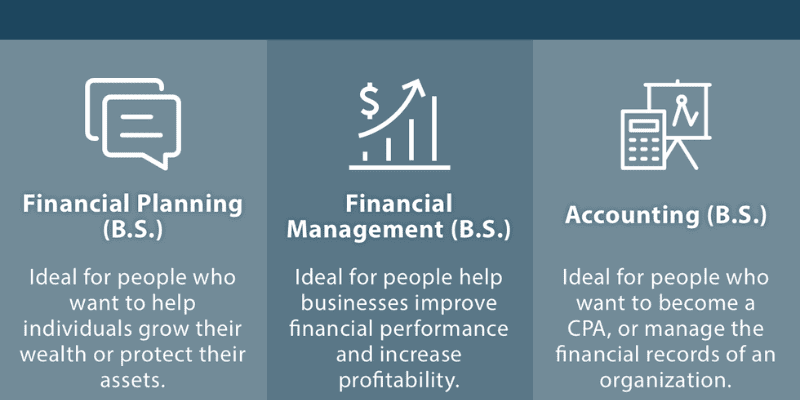
Professional certifications and designations offer a specialized and often more targeted route to expertise. Programs like the Chartered Financial Analyst (CFA) for investment management, Certified Financial Planner (CFP) for personal financial planning, or Certified Public Accountant (CPA) for accounting, provide rigorous training and demonstrate a high level of competency and ethical standards in specific financial domains. These certifications are widely recognized by employers and can significantly enhance career prospects, often leading to higher earning potential without the broader curriculum of a traditional degree. They are particularly valuable for individuals who already possess a bachelor’s degree in another field and wish to transition into finance or specialize further.

The power of self-directed learning

In an age of abundant information, self-education has emerged as a powerful alternative for acquiring financial literacy and investment acumen. Access to financial news, reputable publications, online courses, podcasts, and even social media platforms focused on personal finance can provide an extensive and affordable learning ecosystem. Many successful investors have honed their skills through voracious reading, market observation, and hands-on portfolio management, learning. This self-directed approach allows individuals to customize their learning journey, focusing on areas most relevant to their personal investment goals and career aspirations, proving that is a finance degree worth it is not always an affirmative for every individual.

Navigating Career Trajectories And Financial Rewards

The decision of whether a finance degree is worth it often hinges on the potential career opportunities and financial returns it can unlock. The finance industry is vast, offering a multitude of roles with varying responsibilities and compensation structures. From analyzing market trends to managing multi-million dollar portfolios, a finance background can pave the way for a lucrative and impactful career. This section delves into the employment landscape for finance graduates and explores the long-term financial benefits associated with this educational path, providing a clearer picture of the investment’s return.

Diverse career opportunities and salary expectations

Graduates with a finance degree are highly sought after across numerous industries, filling vital roles in banking, investment firms, corporate finance departments, and even government agencies. Career paths are diverse, ranging. Entry-level finance graduates can expect average salaries between $56,000 and $70,370 annually, with top earners reaching over $100,000. More specialized roles like financial analysts typically command a median salary in the range of $85,660 to $95,570, while experienced financial managers can earn upwards of $117,083 to $134,000 annually. These figures underscore the robust earning potential that a finance degree can provide throughout a career.

Long-term return on investment

Beyond initial salaries, the long-term return on investment (ROI) for a finance degree is compelling. While tuition costs for private institutions can be substantial, sometimes reaching $60,000, and public universities ranging from $10,000 to $30,000 for in-state students, the financial payback is significant. A bachelor’s degree in finance, on average, has an impressive ROI of 1,842.38%, effectively paying for itself within five years of entering the workforce. Furthermore, a finance graduate can anticipate lifetime earnings totaling over $9.6 million, significantly higher than many other fields. This robust ROI, coupled with strong job security and diverse career paths, provides a clear argument for why a finance degree is worth it for many aspiring professionals.

Personal Investment Success: Education Versus Experience

Personal Investment Success: Education Versus Experience

For individual investors focused on achieving financial freedom, the utility of a finance degree extends to personal portfolio management, offering foundational knowledge for understanding markets and evaluating investment opportunities. While a degree can provide essential frameworks for analysis, it often falls short in cultivating the behavioral discipline crucial for long-term success. The interplay between formal education, self-acquired knowledge, and real-world experience ultimately shapes an investor’s ability to navigate market cycles, manage risk effectively, and make objective decisions.

Warren Buffett famously stated, “The best investment you can make is in yourself”. This often refers to developing skills like communication, critical thinking, and disciplined decision-making. While a finance degree directly contributes to critical thinking and analytical capabilities, it does not inherently instill the emotional resilience required to withstand market volatility or the patience to allow compound interest to work its magic. Ray Dalio, another titan of the investment world, emphasizes understanding economic cycles and preparing for a range of possibilities through diversified strategies, rather than attempting to predict market movements. Both perspectives highlight that while technical knowledge is valuable, an investor’s temperament and a well-defined, disciplined strategy are paramount for navigating the complexities of investing. A finance degree can equip you with the “how-to,” but the “when-to” and “when-not-to” often come from experience and self-mastery.
Conclusion

In concluding our exploration into whether is a finance degree worth it, it is evident that a finance degree offers substantial value, providing a robust academic foundation, desirable skills, significant career opportunities, and a strong return on investment. While formal education is a powerful catalyst for professional growth and financial understanding, it is but one component of a holistic approach to financial mastery. Alternative paths, such as professional certifications and continuous self-education, also offer credible routes to expertise. Daily98news encourages all aspiring investors to integrate comprehensive knowledge, whether gained through traditional schooling or self-study, with practical experience and unwavering financial discipline. Ultimately, the most successful investors are those who combine analytical rigor with behavioral wisdom, making informed decisions that align with their long-term financial goals, regardless of their specific educational background.

Navigating Home Equity Loan Vs Cash Out Refinance

0

As a homeowner, the equity built in your property is a significant asset, representing a powerful financial tool that can be leveraged for various purposes,. Understanding how to responsibly access this capital is paramount for long-term financial health. The two primary methods for tapping into your home’s equity are a home equity loan vs cash out refinance. Both offer distinct advantages and drawbacks, and choosing the correct path requires a thorough analysis of your financial situation, goals, and the prevailing market conditions. In this article, Daily98news will accompany you to explore these options in depth, providing the clarity needed to make an informed decision for your investment journey.

Understanding Your Home Equity

Understanding Your Home Equity

Home equity is the portion of your home that you truly own. It is calculated as the difference between your home’s current market value and the outstanding balance of your mortgage and any other liens against the property. For example, if your home is valued at $400,000 and you owe $200,000 on your mortgage, you have $200,000 in equity. Building equity typically occurs through consistent mortgage payments, which reduce your principal balance over time, and through appreciation in your home’s market value due to improving real estate conditions or strategic home improvements. This accumulated wealth is not liquid, but it can be converted into cash to meet various financial needs. Lenders generally require you to maintain a certain percentage of equity, often around 20%, to qualify for products that allow you to borrow against your home.

What Is A Home Equity Loan?

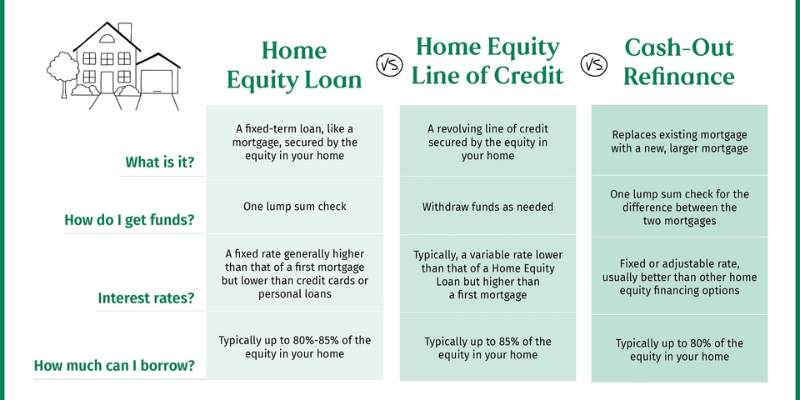
A home equity loan, often referred to as a second mortgage, allows you to borrow a lump sum of money against the equity in your home. This loan is separate, meaning you will have two distinct monthly payments: one for your original mortgage and one for the home equity loan. These loans typically come with a fixed interest rate, providing predictable monthly payments over the loan’s term, which can range, one-time financial need.

Advantages of a Home Equity Loan

Home equity loans present several compelling benefits for homeowners. The fixed interest rate is a significant advantage, offering stability and predictability in your monthly payments, which can greatly simplify budgeting over the life of the loan. This contrasts with variable rates that can fluctuate, leading to unpredictable payment adjustments. Additionally, interest rates on home equity loans are generally lower than those on unsecured personal loans or credit cards, as your home serves as collateral, reducing risk for the lender. If the funds are used for home improvements, the interest paid on the loan may also be tax-deductible, offering another potential financial benefit. Furthermore, a home equity loan allows you to retain your existing primary mortgage, which is particularly beneficial if you have a favorable, low interest rate on your original loan that you wish to preserve.

Disadvantages of a Home Equity Loan

Despite their advantages, home equity loans also carry certain drawbacks. The most significant risk is that your home serves as collateral, meaning that if you default on payments, you could face foreclosure and lose your property. Furthermore, taking on a second mortgage means managing two separate monthly payments, which can complicate your financial planning and increase your overall debt burden. Home equity loans often come with closing costs, similar to a primary mortgage, typically ranging from 2% to 6% of the loan amount, which can add to the upfront expense. While the interest rates are fixed, they tend to be higher than those offered on cash-out refinances because home equity loans are considered a second lien position, making them riskier for lenders in the event of default.

Exploring A Cash-Out Refinance

Exploring A Cash-Out Refinance

A cash-out refinance involves replacing your existing mortgage with a new, larger mortgage that includes an additional cash component. This means your original mortgage is paid off, and you secure a single, new loan for a higher amount than your previous balance, with the difference being returned to you in cash at closing. The new loan will come with its own terms, including a new interest rate and repayment schedule, potentially resetting your mortgage clock for another 15 or 30 years. Homeowners often utilize a cash-out refinance when their home’s value has increased significantly or they have accumulated substantial equity, allowing them to access a considerable sum of money for various financial endeavors.

Advantages of a Cash-Out Refinance

Cash-out refinances offer several key advantages. One of the primary benefits is the ability to access a substantial lump sum of cash, often more than what might be available through a home equity loan, by leveraging the accumulated equity in your home. This can be particularly useful for large expenses like extensive home renovations, consolidating high-interest debt, or funding education. Additionally, cash-out refinances typically come with lower interest rates compared to home equity loans because they are a first-lien mortgage, which is less risky for lenders. Consolidating your borrowing into a single mortgage payment can also simplify your finances and potentially lead to a lower overall monthly housing expense if you secure a more favorable interest rate than your original mortgage. Like home equity loans, interest on the refinanced amount used for home improvements can also be tax-deductible.

Disadvantages of a Cash-Out Refinance

While attractive, a cash-out refinance also presents notable drawbacks. The most significant is that it replaces your entire existing mortgage, which could mean losing a favorable, low interest rate you secured years ago if current market rates are higher. As of November 2025, average 30-year fixed refinance rates are around 6.67%. Moreover, taking out a larger loan increases your overall debt burden and extends the repayment term, meaning you could be paying off your mortgage for a longer period and accumulating more interest over the long run. Closing costs for a cash-out refinance are generally higher than for a home equity loan, typically ranging from 2% to 6% of the new, larger loan amount. These costs can significantly reduce the net cash received. The increased loan balance also results in a higher monthly mortgage payment, which could put your home at greater risk of foreclosure if payments become unmanageable. Furthermore, cash-out refinance rates are generally higher than rates for a standard rate-and-term refinance due to the increased risk associated with a higher loan-to-value (LTV) ratio. Lenders often require you to maintain at least 20% equity after the refinance, capping the amount you can borrow.

Key Differences: Home Equity Loan Vs Cash-Out Refinance

Key Differences: Home Equity Loan Vs Cash-Out Refinance

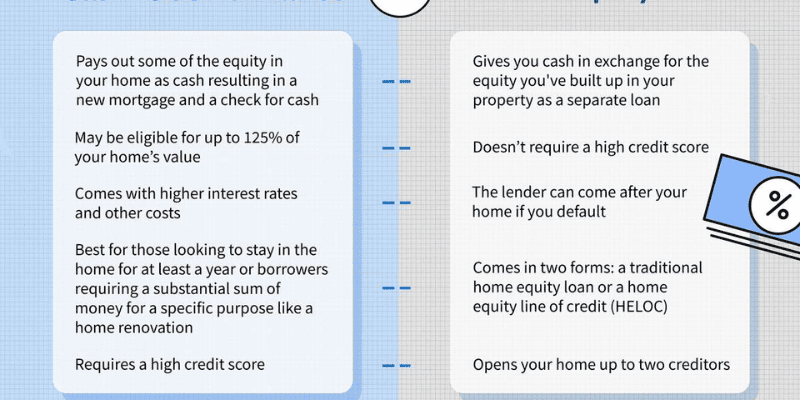
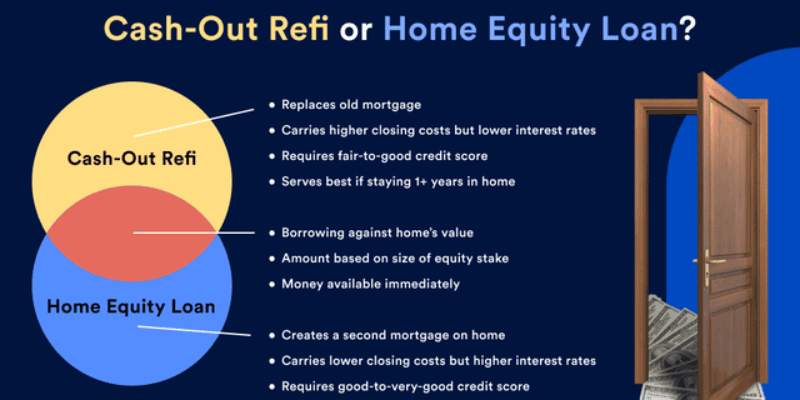
The fundamental distinction between a home equity loan vs cash out refinance lies in their structure and impact on your existing mortgage. A home equity loan functions as a second mortgage, leaving your original mortgage intact with its current terms and interest rate. This means you manage two separate loan payments each month. In contrast, a cash-out refinance replaces your entire existing mortgage with a new, larger one that encompasses both your old balance and the new cash amount, resulting in a single new mortgage payment.

Interest rates also differ significantly. Home equity loans typically feature fixed interest rates, providing payment stability, but these rates are often higher than those on a cash-out refinance due to their subordinate lien position. Cash-out refinances, being a first-lien mortgage, generally offer more competitive, lower interest rates, although these rates will apply to the entire new, larger loan amount. Closing costs for home equity loans are generally lower than for cash-out refinances. The decision largely depends on whether you wish to preserve your existing mortgage’s interest rate and terms, or if you prefer consolidating your debt into a single, potentially lower-rate, but larger, new mortgage.

Choosing The Right Option For Your Financial Goals

Deciding between a home equity loan vs cash out refinance hinges on your specific financial objectives and current market conditions. If you have an excellent interest rate on your current mortgage that you want to preserve, a home equity loan is often the more suitable choice. This allows you to tap into your equity without disturbing your favorable first mortgage terms. It is also ideal if you need a specific, one-time lump sum for a project like a home renovation, offering predictable fixed payments. The lower closing costs associated with home equity loans can also make them more appealing for smaller borrowing needs.

Conversely, a cash-out refinance may be more advantageous if current interest rates are significantly lower than your existing mortgage rate, offering an opportunity to reduce your overall borrowing costs while simultaneously accessing cash. This option is also beneficial if you aim to consolidate multiple high-interest debts, streamlining your finances into a single, potentially lower-rate mortgage payment. However, careful consideration of the increased loan balance and reset loan term is crucial. Ultimately, align your choice with whether you prioritize preserving your current mortgage or optimizing your overall mortgage rate and payment structure for a larger sum of cash.

Risks And Considerations For Both Options

Regardless of whether you choose a home equity loan vs cash out refinance, both options carry inherent risks that demand careful consideration. The most significant risk for both is that your home serves as collateral. Failure to make timely payments on either a home equity loan or a cash-out refinance can lead to foreclosure, potentially resulting in the loss of your home. This fundamental risk underscores the importance of a robust financial plan and a clear understanding of your repayment capacity before committing to either option.

Another crucial factor is the impact on your debt-to-income (DTI) ratio. Taking on additional debt through either method will increase your DTI, which lenders use to assess your ability to manage monthly payments. A higher DTI could affect your ability to secure other forms of credit in the future. Closing costs are also a reality for both, though they tend to be higher for a cash-out refinance. These upfront expenses can reduce the net amount of cash you receive, so it is vital to factor them into your calculations. Furthermore, market interest rate fluctuations can influence the attractiveness of either option. While home equity loans offer fixed rates, cash-out refinances are subject to prevailing mortgage rates, which have seen considerable movement in recent years. For example, 30-year fixed mortgage rates, which dipped below 3% in 2020-2021, surged in 2022 to over 7% before settling around 6.35% in November 2025. Always assess your personal financial stability and the broader economic climate before making a decision that ties into your most significant asset.

Final Thoughts

The decision between a home equity loan vs cash out refinance is a complex one, deeply intertwined with your individual financial landscape and long-term aspirations. As we at Daily98news have explored, each option provides a distinct pathway to unlock the value embedded in your home, but each also comes with its unique set of benefits and considerable risks. A home equity loan preserves your existing first mortgage and offers predictable, fixed payments on a separate loan, ideal for specific, one-time funding needs. A cash-out refinance, on the other hand, replaces your entire mortgage, potentially allowing for lower interest rates on a larger sum and simplified payments, though at the cost of resetting your loan term and incurring higher closing costs. Responsible financial stewardship demands that you meticulously evaluate your current mortgage rate, your borrowing needs, your comfort with managing multiple payments versus a single larger one, and your tolerance for risk. By understanding these nuances, you can confidently make a data-driven decision that aligns with your financial goals, ensuring that leveraging your home’s equity serves as a strategic move towards wealth accumulation and financial freedom, rather than a source of unforeseen burden.

Can You Refinance A Home Equity Line Of Credit For Better Financial Control

0

In today’s dynamic financial landscape, astute homeowners are constantly seeking avenues to optimize their assets and enhance their financial flexibility. A home equity line of credit (HELOC) can be a powerful tool, providing access to liquid funds tied to your home’s value. However, as market conditions evolve and personal financial goals shift, the question often arises: can you refinance a home equity line of credit to better suit current circumstances? In this article, Daily98news will accompany you to explore this critical aspect of homeownership and investment strategy, offering an in-depth analysis grounded in financial discipline and market expertise. Understanding the mechanisms and benefits of refinancing your HELOC is paramount for maintaining robust financial control and adapting to economic changes effectively.

Understanding Home Equity Lines of Credit (HELOCs)

Understanding Home Equity Lines of Credit (HELOCs)

A Home Equity Line of Credit, or HELOC, represents a revolving line of credit that utilizes your home’s equity as collateral. Similar to a credit card, it allows homeowners to borrow funds as needed, up to a predetermined maximum credit limit, and you only repay the amount you actually use. HELOCs are typically structured with a variable interest rate, meaning the interest you pay can fluctuate with market rates, often tied to the U.S. Prime Rate. This flexibility makes them attractive for ongoing expenses, such as extensive home renovations, educational costs, or consolidating higher-interest debt. The typical HELOC structure involves a “draw period,” usually lasting around 10 years, during which you can access funds, make interest-only payments, and repeatedly draw and repay within your credit limit.

Following the draw period, the HELOC transitions into a “repayment period,” where you are typically required to make principal and interest payments over a set term, often 10 to 20 years. This shift can significantly increase monthly payments, particularly if borrowers made only interest-only payments during the draw phase or if interest rates have risen. The variable nature of HELOC interest rates, while offering potential savings in a declining rate environment, also exposes borrowers to the risk of rising costs when rates climb. Maintaining a clear understanding of these phases and their financial implications is essential for any homeowner utilizing a HELOC.

Why Consider Refinancing Your HELOC?

The decision to refinance any loan is driven by a desire for improved financial terms or greater flexibility, and a HELOC is no exception. Several compelling reasons might lead a homeowner to ask, can you refinance a home equity line of credit. One primary motivation is a change in the interest rate environment. If you secured your HELOC when interest rates were high, a subsequent decline in market rates could present an opportunity to refinance into a new HELOC with a lower annual percentage rate (APR), thereby reducing your overall interest costs and monthly payments.

Another significant factor is the transition. Refinancing at this juncture can help manage these higher payments by potentially securing a new draw period or converting to a fixed-rate loan with more predictable installments. Furthermore, an improved personal credit profile or a substantial increase in your home’s equity since the original HELOC was established can enhance your eligibility for more favorable terms, including lower rates or a larger credit limit. Debt consolidation, streamlining finances, and achieving greater payment predictability are also powerful incentives for exploring refinancing options.

Key Options for Refinancing Your HELOC

Key Options for Refinancing Your HELOC

When considering whether you can you refinance a home equity line of credit, it is crucial to understand the various pathways available, each with its unique characteristics. These options offer different structures and benefits, allowing homeowners to select the best fit for their financial strategy and current market conditions. The choice often depends on whether you seek continued flexibility, predictable payments, or a consolidation of your home-related debts.

There are three primary methods homeowners typically explore to refinance a HELOC:

Refinancing into a new HELOC

This option involves replacing your existing HELOC with a brand new one, potentially, a consideration for long-term financial planning.

Refinancing into a home equity loan

Unlike a HELOC, a home equity loan provides a lump sum of money upfront with a fixed interest rate and a set repayment schedule. This predictability can be highly appealing, especially if your current HELOC has a variable rate that has increased or is projected to rise. By converting your HELOC balance into a fixed-rate home equity loan, you lock in a stable interest rate and consistent monthly payments, making budgeting simpler and providing protection against future rate hikes. This option is ideal for those who have a specific amount they need to repay and prefer the security of fixed installments rather than the variability of a HELOC.

Refinancing with a cash-out refinance

A cash-out refinance involves replacing your existing first mortgage with a new, larger mortgage, and using the difference to pay off your HELOC and potentially receive additional cash. This approach consolidates your primary mortgage and your HELOC into a single loan with a single monthly payment, simplifying your debt structure. It can be advantageous if current mortgage rates are lower than your existing primary mortgage rate and your HELOC rate, potentially leading to lower overall interest costs and more manageable payments. However, a cash-out refinance resets the term of your entire mortgage, which could mean paying interest over a longer period, and typically involves closing costs similar to those of your original mortgage.

The Refinancing Process: What to Expect

Embarking on the journey to refinance a home equity line of credit requires careful preparation and an understanding of the steps involved. This process is similar in many ways to obtaining your initial mortgage or HELOC, demanding diligence in documentation and a clear assessment of your financial standing. Knowing what to expect can help streamline the application and approval phases.

The general steps for refinancing your HELOC typically include:

  • Evaluating your financial health: Lenders will scrutinize your credit score, debt-to-income (DTI) ratio, and payment history. A strong credit score, ideally 680 or higher, can significantly improve your chances of securing a lower interest rate and more favorable terms. Lenders generally prefer a DTI ratio of 43% or lower to assess your ability to manage new payments.
  • Assessing your home equity: You will need sufficient equity in your home to qualify for refinancing. Most lenders require a certain loan-to-value (LTV) ratio, often desiring at least 15-20% equity remaining after the refinance. An updated home appraisal will likely be required to determine your home’s current market value.
  • Shopping for lenders: It is highly advisable to compare offers.
  • Application and documentation: Once you select a lender, you will complete a formal application and provide necessary documentation, which may include proof of income, tax returns, bank statements, and details about your current HELOC and primary mortgage.
  • Closing costs and fees: Refinancing, like any new loan, typically involves closing costs. These can range from 1% to 5% of the total loan amount and may include appraisal fees, origination fees, title insurance, and legal fees. Some lenders may offer “no closing cost” HELOCs, but these often come with higher interest rates. It’s crucial to factor these costs into your calculations to determine the true benefit of refinancing.

Pros and Cons of Refinancing Your HELOC

Pros and Cons of Refinancing Your HELOC

Deciding whether you can you refinance a home equity line of credit involves a thorough evaluation of the potential advantages against the inherent disadvantages. This balanced perspective is crucial for making an informed financial decision that aligns with your long-term wealth management goals.

Advantages

  • Lower interest rates: If current market rates are lower than your existing HELOC rate, refinancing can significantly reduce the interest you pay over the life of the loan, leading to lower monthly payments. For instance, the national average HELOC interest rate was 7.81% as of November 12, 2025, a notable decrease.
  • Fixed interest rates: Many HELOCs have variable rates, exposing you to market fluctuations. Refinancing into a fixed-rate home equity loan provides predictability and stability, protecting you.
  • Reduced monthly payments: By securing a lower interest rate or extending the repayment term, refinancing can decrease your monthly financial obligations, freeing up cash flow for other investments or expenses.
  • Restarting the draw period: Refinancing into a new HELOC can provide a fresh draw period, granting you continued flexible access to funds for future needs.
  • Debt consolidation: Consolidating higher-interest debts into a new HELOC or a cash-out refinance can simplify your finances and potentially reduce your overall interest burden.

Disadvantages

  • Closing costs: Refinancing is not free. You will incur various closing costs, which can range from 1% to 5% of the new loan amount, potentially offsetting some of the interest savings, especially if you plan to move or repay the loan quickly.
  • Resetting the loan term: If you opt for a cash-out refinance that includes your primary mortgage, you will reset the repayment clock on your entire mortgage. While this can lower monthly payments, it might also mean paying interest over a longer period, increasing the total interest paid over time.
  • Potential for higher rates: If interest rates have risen since you first obtained your HELOC, refinancing might result in a higher rate, increasing your monthly payments. It is essential to carefully evaluate current market conditions before proceeding.
  • Risk to home equity: As with any loan secured by your home, failing to make payments could put your property at risk of foreclosure. Refinancing involves taking on new debt, and it should only be undertaken if you are confident in your ability to meet the new repayment obligations.
  • Early closure fees: Some HELOCs include early closure fees if the line of credit is paid off and closed within a certain timeframe, typically the first few years.

Navigating the Market: Strategic Timing for Refinancing

The timing of a refinancing decision for your HELOC is critical and should be informed by a comprehensive understanding of macroeconomic trends, particularly interest rate movements. As a seasoned financial analyst, I emphasize that market assessment goes beyond mere observation; it involves anticipating future shifts and positioning your portfolio accordingly.

Currently, the Federal Reserve has been navigating a complex economic landscape, with interest rate policy being a key tool to manage inflation. Recent Federal Open Market Committee (FOMC) projections indicated that rates would likely end 2025 between 3% and 4%, with a bias towards the lower end of that range. Indeed, the Fed has implemented rate cuts in September and October 2025, bringing the federal funds rate to a target range of 3.75%-4.00%. Goldman Sachs Research, for instance, projects a likely December rate cut as well, with further cuts in March and June 2026, targeting a terminal rate of 3-3.25%. These anticipated rate cuts generally translate to lower borrowing costs for consumers, including those on variable-rate HELOCs, or potentially more favorable terms on fixed-rate alternatives. For example, the national average HELOC rate dropped to 7.81% as of mid-November 2025, reflecting a significant decline, the economic picture is never static; unexpected inflation surprises or shifts in the labor market could influence future Fed decisions. Therefore, while the current trajectory suggests a favorable environment for refinancing, remaining vigilant to economic indicators and expert forecasts from institutions like Goldman Sachs is essential for making well-timed decisions that can profoundly impact your financial future.

Conclusion

The question of whether you can you refinance a home equity line of credit is not merely rhetorical; it represents a powerful opportunity for homeowners to optimize their financial position and enhance their wealth management strategy. As Daily98news has explored, refinancing a HELOC can provide substantial benefits,, presents a potentially opportune moment to re-evaluate your existing HELOC terms.

However, such decisions demand a disciplined, data-driven approach, carefully weighing the advantages against the associated costs like closing fees. We encourage Daily98news readers to conduct a thorough analysis of their financial situation, compare offers, and consider their long-term financial objectives. By acting proactively and with an informed perspective, you can confidently navigate the complexities of home equity financing, making choices that contribute to your sustained financial freedom and investment success.

Unlock Financial Flexibility: Can I Refinance a Personal Loan

0

In the intricate landscape of personal finance, managing debt effectively is a cornerstone of building enduring wealth and achieving financial freedom. Personal loans, offering a fixed sum with structured repayment, have become a popular tool for various needs, from consolidating high-interest credit card debt to funding significant life events. However, as financial circumstances evolve and market conditions shift, many borrowers find themselves contemplating whether their existing loan terms are still optimal. The pertinent question that arises for many is, can I refinance a personal loan to improve their financial outlook? In this comprehensive analysis, Daily98news will accompany you to explore the nuances of personal loan refinancing, providing you with the data-backed insights necessary to make informed decisions for your financial well-being. This strategy is not merely about securing a new loan; it is about strategically optimizing your debt to align with your current financial capabilities and long-term aspirations.

Understanding personal loan refinancing

Understanding personal loan refinancing

Refinancing a personal loan essentially involves replacing your current loan with a new one, typically with different terms. This process is similar to applying for a new loan, but the key distinction is that the funds.

What exactly is personal loan refinancing?

Personal loan refinancing is a financial maneuver where you take out a new loan to settle an outstanding personal loan. This strategy aims to secure improved loan terms, such as a reduced interest rate or more manageable monthly payments. For example, if your credit score has significantly improved since you first obtained your loan, refinancing presents an opportunity to qualify for a lower interest rate, thereby reducing the total cost of borrowing. Alternatively, if you are currently facing a tight budget, refinancing with a longer term could potentially lower your monthly payments, making your debt more affordable. It is a proactive step towards debt optimization, allowing you to adapt your loan structure to better suit your financial health.

How does a personal loan refinance work?

The process of refinancing a personal loan involves several key stages. First, you assess your current loan’s remaining balance and terms. Next, you apply for a new personal loan, often with a different lender, though some existing lenders may offer refinancing options. If approved, the new lender provides funds that are used to pay off your old loan. You then begin making payments on the new loan under its revised terms. This typically includes a new interest rate, a new monthly payment amount, and a new repayment schedule. The underlying principle is to leverage an improved credit profile or more favorable market conditions to achieve better loan terms, ultimately saving you money or providing more financial flexibility.

Strategic moments to consider a personal loan refinance

Strategic moments to consider a personal loan refinance

Deciding when to refinance a personal loan is a strategic financial decision that can significantly impact your debt management. It is not merely a reactive measure but rather a proactive step that can be taken when certain financial indicators align in your favor. Recognizing these opportune moments is crucial for maximizing the potential benefits and ensuring that refinancing genuinely serves your long-term financial goals. Understanding the specific triggers and conditions that make refinancing a wise choice is essential for any discerning investor or borrower.

When your credit score improves

A notable improvement in your credit score since you originally took out your personal loan is one of the most compelling reasons to consider refinancing. Lenders assess your creditworthiness to determine the interest rate you qualify for, and a higher credit score signals lower risk, often leading to more favorable rates. For instance, moving from a “good” credit tier to an “excellent” one could result in a significant drop in your annual percentage rate (APR). This improvement could stem from consistent on-time payments, reducing other outstanding debts, or simply a longer positive credit history. Seizing this opportunity by applying for a new loan can translate into substantial savings on interest over the remaining life of your debt.

When market interest rates fall

The broader economic environment plays a critical role in the attractiveness of refinancing. If prevailing market interest rates have declined since you secured your original personal loan, you might be able to lock in a lower rate on a new loan. Even a seemingly small reduction in the interest rate can lead to considerable savings, especially on larger loan balances or longer repayment terms. Staying informed about macroeconomic trends, such as central bank interest rate policies and inflation reports, is vital. This proactive monitoring allows you to identify periods when refinancing could significantly reduce your borrowing costs, enhancing your overall financial efficiency.

When seeking lower monthly payments or faster payoff

Refinancing offers flexibility to adjust your repayment schedule to better suit your budget or accelerate your debt-free journey. If your financial situation has changed, perhaps due to a temporary income reduction or increased expenses, extending your loan term through refinancing can lower your monthly payments, providing much-needed breathing room. Conversely, if your income has increased, you might choose to refinance to a shorter term. While this typically results in higher monthly payments, it significantly reduces the total interest paid over the loan’s life, allowing you to pay off the debt faster and allocate funds to other investment opportunities or savings goals.

Consolidating multiple debts

For individuals juggling several high-interest debts, such as credit card balances or multiple smaller personal loans, refinancing can offer a strategic solution through debt consolidation. By taking out a single new personal loan to pay off these various debts, you consolidate them into one manageable monthly payment, often at a lower overall interest rate. This not only simplifies your financial life by reducing the number of bills to track but also has the potential to save a considerable amount in interest charges. The streamlined approach can bring clarity and control to your debt repayment strategy, making it easier to adhere to your financial plan.

The tangible benefits of refinancing

The primary allure of refinancing a personal loan lies in its ability to generate significant financial advantages. These benefits extend beyond mere interest savings, encompassing enhanced cash flow management and a simplified debt structure. For individuals committed to financial discipline, understanding and leveraging these advantages can be a powerful tool in their wealth management arsenal. Analyzing the potential positive impacts allows you to clearly determine if a refinancing move aligns with your broader financial objectives.

One of the most immediate and impactful benefits is securing a lower interest rate. If your credit profile has strengthened or market rates have dropped, a refinanced loan could come with a significantly reduced APR. This directly translates to paying less interest over the loan’s lifetime, freeing up capital that can be redirected towards investments, savings, or other financial priorities. The financial gains, refinancing can lead to significant savings by consolidating multiple higher-interest debts into a single, lower-interest personal loan. This simplifies your financial obligations by replacing several payments with just one, making it easier to track and manage. Beyond the convenience, the consolidation often results in a lower weighted average interest rate across your various debts, leading to substantial overall savings. This strategic move aligns with principles of sound financial management, promoting clarity and control over your liabilities.

Navigating the potential risks and drawbacks

Navigating the potential risks and drawbacks

While the prospect of a lower interest rate or reduced monthly payment through refinancing can be highly appealing, it is crucial for informed investors to consider the potential downsides. Just as with any financial decision, understanding the risks associated with refinancing a personal loan is paramount to making a choice that truly benefits your long-term financial health. A thorough evaluation of these drawbacks ensures a balanced perspective and helps prevent unforeseen financial complications.

One significant drawback to consider is the presence of fees. Many new personal loans, including those for refinancing, come with origination fees, which are a percentage of the loan amount deducted. These fees can range from 1% to as much as 12% and can significantly reduce the net amount you receive or offset a portion of your interest savings. Additionally, your existing personal loan might carry prepayment penalties, fees charged by your current lender for paying off the loan ahead of schedule. These costs must be factored into your calculations to determine if refinancing is truly cost-effective.

Another important consideration is the temporary impact on your credit score. When you apply for a new loan, lenders perform a hard credit inquiry, which can cause a slight, temporary dip in your credit score. While this effect is usually minor and short-lived, it’s a factor to bear in mind, especially if you plan to apply for other forms of credit, such as a mortgage or auto loan, in the near future. The act of opening a new account and closing an old one can also briefly affect your credit utilization and age of accounts, though consistent, timely payments on the new loan will ultimately help rebuild and improve your credit score over time.

Furthermore, while extending your loan term can lead to lower monthly payments, it typically results in paying more interest over the entire life of the loan. This is a common trade-off that borrowers make for immediate budgetary relief. If your primary goal is to minimize total interest paid, a longer term achieved through refinancing might work against that objective. It is essential to use a loan calculator to compare the total cost of your current loan versus a potential refinanced loan, considering both monthly payments and the aggregate interest, to ensure the new terms align with your long-term financial goals.

A practical guide to refinancing your personal loan

Once you have carefully weighed the pros and cons and determined that refinancing your personal loan aligns with your financial objectives, the next step is to navigate the practical process. This journey requires meticulous preparation, diligent research, and careful execution to ensure you secure the most advantageous terms. Approaching this process methodically can lead to substantial financial benefits and a more robust debt management strategy.

Assessing your current financial standing

Before initiating any refinancing applications, it is crucial to thoroughly assess your current financial situation. Begin by obtaining a copy of your credit report and checking your credit score. Your credit score is a key determinant of the interest rates you will be offered, with higher scores generally leading to better terms. Review your credit report for any inaccuracies that could be negatively impacting your score and dispute them if necessary. Additionally, determine the exact payoff balance of your existing personal loan, including any potential prepayment penalties. Understand your current income, expenses, and overall debt-to-income ratio, as these metrics will be scrutinized by prospective lenders to gauge your ability to repay a new loan.

Researching and comparing lenders

With a clear understanding of your financial health, the next critical step is to shop around and compare loan offers. Do not limit yourself to your current lender; explore options. This “soft inquiry” is invaluable for comparing offers side-by-side. Pay close attention to the annual percentage rate (APR), which includes both the interest rate and any associated fees, providing a more accurate representation of the total cost of the loan. Compare loan terms, monthly payments, and any fees such as origination charges.

The application and approval process

Once you have identified the most suitable lender and loan offer, you will proceed with the formal application. This typically involves completing an application form and submitting various documents to verify your identity, income, and address. Common documents requested include government-issued identification, proof of residence (like a utility bill), recent pay stubs or tax returns, and employer contact information. The lender will then conduct a hard credit inquiry, which may temporarily affect your credit score. If your application is approved, you will receive a formal loan offer. Carefully review all the terms and conditions of the new loan agreement, ensuring you understand everything before signing. Once finalized, the new loan funds will be disbursed, often directly to pay off your existing personal loan, completing the refinancing process. Remember to continue making payments on your old loan until you receive confirmation that it has been fully paid off to avoid any missed payment penalties.

What to look for in a new loan offer

When evaluating potential new loan offers for refinancing, a detailed and analytical approach is crucial. Beyond the headline interest rate, several factors warrant careful scrutiny to ensure the refinanced loan genuinely provides the anticipated financial advantages. Understanding these key components will empower you to select an offer that best aligns with your financial goals and circumstances.

APR and interest rates

The Annual Percentage Rate (APR) and the interest rate are arguably the most critical components of any loan offer. While the interest rate reflects the cost of borrowing the principal amount, the APR provides a more comprehensive picture by including certain fees, such as origination fees, in the overall cost. You should prioritize securing a new loan with a significantly lower APR than your current personal loan to maximize your savings. Comparing offers. Even a marginal reduction in APR can lead to substantial savings over the loan’s duration, especially for larger balances.

Loan terms and repayment schedules

The loan term, or the length of time you have to repay the loan, directly influences your monthly payment and the total interest accrued. A shorter loan term typically means higher monthly payments but less total interest paid over time, allowing you to become debt-free faster. Conversely, a longer loan term will result in lower monthly payments, providing more budgetary flexibility, but it will likely increase the total interest paid over the life of the loan. When evaluating offers, consider your cash flow needs and your long-term debt repayment goals. A suitable repayment schedule should be one that you can comfortably manage without financial strain, while also considering the overall cost implication.

Fees and lender reputation

Beyond the interest rate and loan term, a thorough examination of all associated fees is essential. As discussed, origination fees can diminish the benefits of a lower interest rate. Some lenders may also charge administrative fees or closing costs. Seek out lenders that offer competitive rates with minimal or no origination fees, if possible. Equally important is the lender’s reputation. Research customer reviews, financial ratings, and transparency in their loan terms. A reputable lender will provide clear, understandable terms, excellent customer service, and reliable support throughout the loan’s life. Opting for a trustworthy institution ensures a smoother refinancing experience and peace of mind.

Conclusion

In conclusion, the question, “can I refinance a personal loan,” is unequivocally yes, and for many, it presents a powerful opportunity to optimize their financial position. By diligently assessing your financial health, carefully comparing offers, or a faster path to becoming debt-free. As a prudent investor, making data-driven decisions based on a comprehensive understanding of both the benefits and potential drawbacks is paramount. Let Daily98news be your trusted guide in navigating these financial waters, empowering you to confidently take control of your debt and build a more secure financial future. Remember, responsible investment action stems

Masters In Finance Vs MBA: Which Path Fuels Your Financial Ascent?

0

Welcome, Daily98news readers, to an in-depth exploration crucial for anyone contemplating a significant investment in their financial education. In today’s dynamic market, distinguishing between specialized knowledge and broad leadership skills is paramount, especially when choosing an advanced degree to propel your career. The decision between a masters in finance vs mba is not merely a choice of academic programs; it’s a strategic decision that shapes your professional trajectory, earning potential, and the very foundation of your financial expertise. This article will dissect both degrees, offering a comprehensive analysis to help you make an informed choice aligned with your aspirations for financial freedom and career advancement.

Curriculum Deep Dive: What Each Program Offers

Curriculum Deep Dive: What Each Program Offers

Understanding the core curriculum of a Master of Finance (MiF) and a Master of Business Administration (MBA) is the first step in differentiating these powerful degrees. While both can significantly enhance a finance career, their pedagogical approaches and subject matter focus diverge considerably. An MiF program is designed for deep specialization, while an MBA offers a broader business perspective with optional concentrations.

Master of Finance: Specialized Skill Development

A Master of Finance curriculum is intensely quantitative and analytical, meticulously crafted for individuals seeking deep expertise in financial theory and practice. Programs typically cover advanced topics such as corporate finance, investment management, financial modeling, derivatives, risk management, and quantitative finance. The emphasis is on developing a robust toolkit for financial analysis, valuation, and strategic financial decision-making. Students often engage with complex financial instruments, econometric models, and real-world case studies that hone their problem-solving abilities within a financial context. This specialized path is ideal for those who envision themselves as technical experts in specific financial domains, ready to tackle intricate market challenges. The program’s design ensures graduates possess the granular knowledge required to excel in highly technical financial roles.

Master of Business Administration: Broad Leadership Training

In contrast, an MBA program provides a comprehensive business education, aiming to cultivate well-rounded leaders and managers. While many MBAs offer finance concentrations, the core curriculum covers a wider array of business disciplines, including marketing, operations, strategy, organizational behavior, and human resources, in addition to finance and accounting. The objective is to equip graduates with a holistic understanding of business functions and how they interrelate. The finance component in an MBA is typically geared towards strategic financial management. The broader scope prepares individuals for cross-functional roles, general management, or entrepreneurial ventures, where a diverse skill set is more valuable than deep technical specialization.
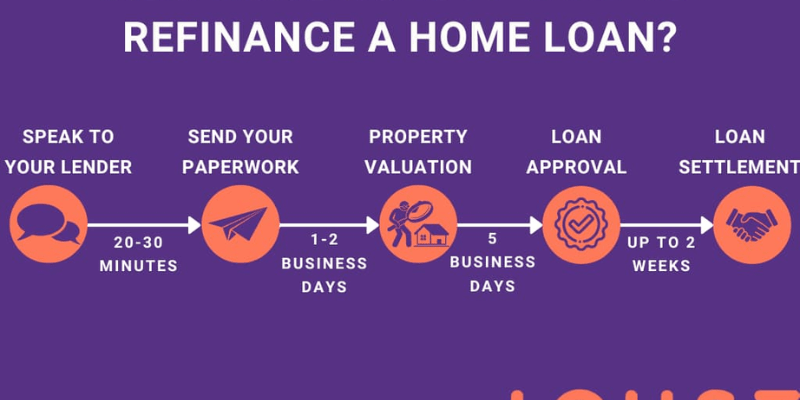
Career Trajectories: Where Each Degree Leads

The career paths available after completing a Master of Finance versus an MBA with a finance specialization are distinctly different, reflecting the unique skill sets developed by each program. Your choice should align with your long-term career aspirations and the type of impact you wish to make in the financial world or broader business landscape.

Investment Banking and Portfolio Management

For those aspiring to roles in investment banking, asset management, quantitative analysis, or risk management, a Master of Finance is often the more direct and preferred route. MiF graduates are typically sought after for positions requiring highly specialized financial knowledge and analytical prowess. This includes roles such as financial analysts, portfolio managers, risk analysts, and quantitative researchers in investment banks, hedge funds, mutual funds, and other financial institutions. The curriculum directly prepares individuals for the rigorous demands of financial markets, arming them with the tools to navigate complex investment strategies, valuation models, and market dynamics. The technical depth acquired makes MiF holders immediately valuable in specialized front-office roles where intricate financial understanding is paramount.

Corporate Finance and Strategic Roles

An MBA, even with a finance concentration, typically opens doors to a wider array of leadership and strategic roles across various industries. While MBA graduates can certainly enter investment banking or asset management, they are often better positioned for corporate finance roles within non-financial companies, strategic consulting, private equity, or general management positions. These roles value a broader understanding of business operations, strategic thinking, and leadership capabilities alongside financial acumen. MBA holders are often seen as future leaders capable of driving overall business growth and making high-level strategic decisions that encompass more than just financial considerations. The program’s emphasis on general management skills equips them to transition into executive positions across diverse sectors, making the masters in finance vs mba decision crucial for defining one’s future leadership scope.

Cost and Return on Investment: A Financial Perspective

Cost and Return on Investment: A Financial Perspective

Pursuing an advanced degree is a significant financial undertaking, and a thorough analysis of the cost and potential return on investment (ROI) is essential. The financial implications of a masters in finance vs mba extend beyond tuition fees, encompassing opportunity costs and long-term earnings potential.

Tuition, Time, and Opportunity Costs

The cost of both MiF and MBA programs can be substantial, with tuition fees at top institutions often ranging from $70,000 to over $150,000 for the entire program. However, MiF programs are typically one year in duration, which means lower overall tuition and, critically, less time out of the workforce compared to the traditional two-year MBA programs. This shorter duration directly translates to reduced opportunity costs, as graduates can re-enter the job market sooner and resume earning. For a one-year MiF, the opportunity cost of lost wages is generally half that of a two-year MBA. Additionally, living expenses during the study period also contribute significantly to the total cost, making the shorter MiF potentially more cost-effective.

Long-Term Earnings Potential

When evaluating the long-term earnings potential, both degrees offer substantial uplifts in salary compared to an undergraduate degree. However, the trajectory and peak earnings can differ based on career path. MiF graduates often command high starting salaries in specialized financial roles, particularly in areas like quantitative finance or investment banking, where their technical skills are highly valued. A recent survey indicated that the median base salary for MiF graduates from top programs can range from $85,000 to $120,000, with signing bonuses adding significantly to the first-year compensation. For MBA graduates, while starting salaries can also be impressive, especially from top-tier programs often exceeding $150,000 median base salary in finance roles, the long-term earnings potential is often tied to progressing into senior management and executive leadership positions. The broader skill set of an MBA can lead to higher earnings ceiling over a longer career span by enabling transitions into C-suite roles across various industries, whereas MiF career progression is often concentrated within the financial services sector, albeit with high earning potential within that domain.

Target Audience and Personal Goals: Choosing Your Journey

The decision between a Master of Finance and an MBA hinges significantly on your personal career ambitions and current professional stage. Understanding who each program best serves is critical in making a choice that aligns with your individual trajectory. Daily98news encourages you to reflect deeply on your goals before committing to either path.

For the Aspiring Financial Specialist

The Master of Finance is tailor-made for individuals with a strong aptitude for numbers and a passionate desire to delve deep into the mechanics of financial markets and instruments. It is particularly suitable for recent graduates with a bachelor’s degree in finance, economics, mathematics, or engineering who wish to accelerate their entry into highly specialized financial roles. This program is also beneficial for early-career professionals looking to pivot into specific areas like quantitative finance, risk management, or complex financial analysis, requiring a sophisticated understanding of financial theory and application. If your ultimate goal is to become a hedge fund manager, a top-tier investment analyst, or a financial engineer, the MiF provides the focused expertise needed to excel in these highly competitive and technical fields. It’s about becoming a master of a specific financial domain.

For the Future Business Leader

Conversely, an MBA is designed for professionals with several years of work experience, typically 3-5 years or more, who are looking to enhance their leadership skills, broaden their business acumen, and transition into senior management or executive roles. While a finance concentration is available, the MBA’s primary value lies in its holistic approach to business, preparing graduates for strategic decision-making across various departments. If your ambition is to lead a company, manage cross-functional teams, launch your own venture, or transition into strategic consulting, an MBA offers the comprehensive knowledge and networking opportunities to achieve these goals. It’s about understanding the entire business ecosystem and leading, making the choice between a masters in finance vs mba a pivotal moment for leadership development.

Market Relevance and Industry Trends

Market Relevance and Industry Trends

The financial landscape is constantly evolving, driven by technological advancements, regulatory changes, and global economic shifts. Both MiF and MBA programs continuously adapt their curricula to remain relevant, but their responses to market trends often differ, reflecting their core missions.

Financial institutions increasingly value specialized skills in areas such as FinTech, data analytics, artificial intelligence in finance, and sustainable finance. MiF programs are often quicker to integrate these cutting-edge topics into their core curriculum, offering modules and specializations that directly address the demand for highly skilled professionals in these emerging fields. For instance, many MiF programs now feature courses on blockchain technology, machine learning for financial forecasting, or ESG (Environmental, Social, and Governance) investing, directly equipping graduates for roles that require immediate application of these advanced concepts. This agility allows MiF graduates to stay at the forefront of financial innovation, providing them with a competitive edge in niche, high-demand sectors.

On the other hand, MBA programs, with their broader focus, tend to integrate these trends. The choice of masters in finance vs mba should also consider the broader industry shifts and how each degree prepares you to capitalize on future opportunities.

Navigating the Application Process

Applying to either a Master of Finance or an MBA program requires a strategic approach, as each program has distinct admission criteria and expectations. Understanding these differences is crucial for presenting a compelling application that highlights your suitability for your chosen path.

For Master of Finance programs, admissions committees typically look for strong quantitative abilities, demonstrated through undergraduate coursework in subjects like mathematics, statistics, economics, or engineering. A high GMAT or GRE score, particularly in the quantitative section, is often a critical component of the application. Relevant internships or work experience, while not always mandatory, can significantly strengthen an application, especially if they demonstrate a clear interest and aptitude for finance. The personal statement should articulate a clear career goal within finance and explain how the MiF program will help achieve it, showcasing a deep understanding of the specialized nature of the degree. Applicants should emphasize their analytical skills, technical proficiency, and dedication to a finance-centric career.

Conversely, MBA programs place a significant emphasis on professional work experience, typically requiring several years of full-time employment. Leadership potential, teamwork skills, and a track record of impact in previous roles are highly valued. While GMAT or GRE scores are still important, the qualitative aspects of the application, such as es, problem-solving abilities, and a clear vision for post-MBA career goals, carry substantial weight. Letters of recommendation. For those debating masters in finance vs mba, the application process itself serves as an early indicator of the programs’ differing priorities: the MiF prioritizes academic rigor and specialized aptitude, while the MBA seeks demonstrated leadership and managerial potential.

Conclusion

The choice between a masters in finance vs mba is a pivotal decision that requires careful consideration of your career aspirations, personal strengths, and the investment you are willing to make. Both degrees offer pathways to significant professional growth and financial success, but they cater to different ambitions. The MiF is the definitive choice for those seeking deep specialization and technical expertise in finance, aiming for roles like quantitative analyst or portfolio manager. The MBA, conversely, is ideal for experienced professionals seeking to broaden their business acumen, enhance leadership capabilities, and pursue strategic or general management roles across various industries. Daily98news encourages you to thoroughly research programs, network with alumni, and align your decision with a clear vision for your future, ensuring your educational investment propels you towards your unique financial and career goals.

How Many Times Can You Refinance Your Home Maximizing Your Financial Flexibility

0

For many homeowners, a mortgage is the single largest financial commitment and often the most powerful tool for building wealth. Optimizing this significant asset through strategic refinancing can unlock substantial benefits,, a common question arises for diligent investors and those striving for financial freedom: how many times can you refinance your home? At Daily98news, we understand the importance of making informed decisions based on data, discipline, and clear financial goals, rather than impulsive reactions to market shifts. This article will delve into the practicalities, benefits, and critical considerations surrounding repeated mortgage refinances, empowering you to navigate this complex landscape with confidence.

Understanding the fundamentals of mortgage refinancing

Understanding the fundamentals of mortgage refinancing

Refinancing your mortgage essentially means replacing your existing home loan with a new one. This new loan pays off the old one, and you begin making payments under the new terms and interest rate. The primary motivations for homeowners to pursue refinancing are diverse and often driven by evolving financial circumstances or changes in the broader economic environment. A major incentive is securing a lower interest rate than your current mortgage, which can lead to significant savings over the life of the loan and reduce your monthly outgoings. For example, a modest reduction of even a fraction of a percentage point on a substantial loan can translate into thousands of dollars in savings annually.

Beyond interest rate reduction, refinancing offers other strategic advantages. It can enable homeowners to change their loan term, opting for a shorter term to accelerate debt repayment and save on total interest, or choosing a longer term to lower monthly payments for increased financial flexibility. Additionally, many use refinancing to switch between adjustable-rate mortgages (ARMs) and fixed-rate mortgages, providing stability in payment structures or capitalizing on market trends. Another compelling reason is to access accumulated home equity through a cash-out refinance, providing a lump sum for significant expenses like home improvements, debt consolidation, or other investments. Each of these motivations stems.

Key factors influencing refinance eligibility

Successfully refinancing a mortgage, whether for the first or fifth time, hinges on meeting specific eligibility criteria set by lenders. These requirements are designed to assess a borrower’s financial health and ability to repay the new loan. The cornerstone of eligibility often involves a robust credit score, typically a FICO score of 620 or higher, as a strong credit history signals reliability to lenders. Lenders meticulously review your credit report for any delinquencies or significant debt obligations that could impact your capacity to manage new debt.

Another critical metric is the debt-to-income (DTI) ratio, which compares your total monthly debt payments to your gross monthly income. Most lenders prefer a DTI ratio of 43% to 50% or less for conforming loans, though this can vary by loan type and lender. A lower DTI indicates that you have ample disposable income to handle your mortgage payments alongside other financial commitments, making you a less risky borrower. Furthermore, the amount of equity you hold in your home plays a significant role. For conventional refinances, especially cash-out options, lenders generally look for at least 20% home equity (or an 80% loan-to-value, LTV, ratio) to avoid private mortgage insurance (PMI). Government-backed loans like FHA and VA may offer more flexibility regarding equity requirements, particularly for streamline refinances. Understanding and maintaining these financial health indicators is paramount for any homeowner considering future refinancing opportunities.

The practicalities of multiple refinances

The practicalities of multiple refinances

While there’s no federal law or absolute legal limit to how many times can you refinance your home, practical considerations and lender policies often dictate the frequency. Many sources confirm that homeowners can theoretically refinance as often as they qualify and it makes financial sense for their situation. However, lenders typically impose “seasoning requirements,” which are mandatory waiting periods between refinances. This waiting period allows time for your current loan to establish a payment history and helps mitigate risks for both the borrower and the lender.

For conventional loans, a common seasoning period is around six months, though some lenders might be more flexible for rate-and-term refinances. Cash-out refinances, due to their higher risk profile, often require a longer waiting period, typically 12 months after the most recent closing for conventional loans. FHA Streamline refinances require at least 210 days, while FHA cash-out refinances generally require homeowners to have owned the property for a minimum of 12 months. Similarly, VA Interest Rate Reduction Refinance Loans (IRRRLs) typically mandate at least 210 days.

The borrower’s financial position

The ability to successfully pursue multiple refinances is heavily influenced by the borrower’s evolving financial position. Lenders will conduct a thorough re-evaluation of your creditworthiness, income stability, and debt obligations with each new application. If your credit score has improved since your last refinance, you may qualify for even more favorable interest rates and terms, enhancing the benefit of a subsequent refinance. Conversely, a decline in your credit score or an increase in your debt-to-income ratio could make it challenging to secure approval or result in less attractive loan offers. Maintaining a strong payment history on all debts, especially your mortgage, is paramount. Diligent financial management and a clear understanding of your current financial standing are essential components in determining the viability and advantage of repeated refinancing efforts.

Market interest rate environment

The prevailing market interest rate environment is a pivotal external factor dictating the attractiveness and timing of refinancing. When mortgage interest rates experience a significant decline, refinancing becomes highly appealing as it offers the potential for substantial savings on monthly payments and over the life of the loan. Many financial experts suggest that a reduction of at least 0.5% to 1% in the interest rate can justify the costs associated with refinancing. Conversely, if interest rates are rising or remain high, the benefits of refinancing may be diminished or negated by the costs, making it a less financially prudent decision. Staying abreast of macroeconomic trends, such as inflation reports and Federal Reserve interest rate policies, is vital for homeowners seeking to strategically time their refinancing applications and maximize potential savings.

Loan type and lender policies

Different loan types and individual lender policies further influence how many times can you refinance your home. While government-backed loans like FHA and VA have specific seasoning requirements, conventional loans often offer slightly more flexibility, although lender-specific overlays can still apply. For instance, some lenders may have more stringent equity requirements for cash-out refinances or prefer a longer seasoning period than the general guideline. Moreover, borrowers should be aware of any prepayment penalties, researching various lenders’ specific requirements, and exploring different refinance programs are essential steps. This due diligence ensures that each refinancing endeavor aligns with your financial goals and is executed under the most favorable terms available.

Costs and considerations of repeated refinancing

Costs and considerations of repeated refinancing

While the allure of lower interest rates or accessible equity is strong, it is crucial to recognize that each refinance comes with associated costs that can accumulate over time. These closing costs typically range from 2% to 6% of the loan amount and include various fees such as appraisal fees, title insurance, loan origination fees, and government recording charges. If these costs are rolled into the new loan, they increase your principal balance, meaning you pay interest on a larger amount over the loan’s term.

A critical calculation before any refinance is determining your “break-even point” the time it takes for the savings, if refinancing saves you $150 per month but costs $4,500 in closing fees, your break-even point would be 30 months ($4,500 / $150). If you plan to sell your home or refinance again before reaching this point, the refinance may not be financially beneficial. Furthermore, repeated refinances, especially if they extend your loan term back to a full 30 years, can paradoxically increase the total amount of interest paid over the life of the loan, even if the monthly payments are lower. This “resetting the clock” effect should be carefully evaluated against your long-term homeownership plans and financial goals.

Strategic approaches to successive refinances

Strategic refinancing is a potent tool in a well-managed financial portfolio, but it requires foresight and a disciplined approach. Rather than chasing every minor dip in interest rates, consider refinancing when there is a significant change in the market or your personal financial situation that offers a clear, measurable benefit. A commonly cited guideline is to consider refinancing when you can reduce your interest rate by at least 0.5% to 1%, provided the savings outweigh the closing costs within your anticipated homeownership timeframe.

One strategic use is to shorten your loan term. If your income has increased, refinancing from a 30-year to a 15-year mortgage can save tens of thousands in interest over time and accelerate your path to debt-free homeownership. Conversely, in times of financial strain, extending your loan term to lower monthly payments can provide essential budgetary relief, though it increases total interest. Another astute move is transitioning from an adjustable-rate mortgage (ARM) to a fixed-rate loan when interest rates are low or expected to rise, thereby locking in payment stability. Regular review of your mortgage terms against current market conditions and your evolving financial landscape is key to harnessing the power of refinancing judiciously.

Potential pitfalls and risks

While refinancing offers numerous benefits, approaching successive refinances without careful consideration can expose homeowners to several pitfalls. The most immediate risk is the accumulation of closing costs, as discussed earlier. If these costs consistently outstrip the savings, frequent refinancing can erode your home equity rather than build it. Another significant risk, particularly with cash-out refinances, is “equity stripping.” This occurs when homeowners repeatedly extract equity. If you refinance a 10-year-old 30-year mortgage back into a new 30-year term, you effectively stretch out your repayment period to 40 years. Responsible investing means understanding and mitigating these risks through thorough financial analysis and a long-term perspective.

Conclusion

Understanding how many times can you refinance your home is less about a hard numerical limit and more about a strategic evaluation of financial benefits against associated costs and risks. As we’ve explored, while there’s no technical cap, prudent financial management dictates that each refinancing decision must be driven by clear objectives and a comprehensive cost-benefit analysis. For the diligent investor and financially disciplined individual, refinancing can be a powerful tool for optimizing mortgage terms, reducing interest expenses, and managing cash flow. Daily98news encourages you to assess your personal financial situation, the prevailing market conditions, and the potential impact of closing costs and loan term adjustments. By doing so, you can make responsible, data-driven choices that move you closer to your financial freedom. Before making any significant mortgage decisions, consider consulting with a qualified financial advisor to ensure your strategy aligns perfectly with your long-term wealth management goals.

How Long Does It Take To Refinance A House

0

Refinancing your home mortgage can be a powerful financial tool, offering opportunities to lower monthly payments, secure better interest rates, or tap into your home’s equity for other investments or needs. However, the allure of these benefits often comes with a pressing question for homeowners: how long does it take to refinance a house? Understanding the timeline and the various factors that can influence it is crucial for effective financial planning and setting realistic expectations. In this article, Daily98news will accompany you to explore the typical duration of the refinancing process, delve into its key stages, and provide actionable insights to navigate it efficiently.

Understanding the refinancing process

Understanding the refinancing process

At its core, refinancing involves replacing your existing mortgage with a new one. This new loan could come, or switching from an adjustable-rate mortgage (ARM) to a more stable fixed-rate option. Others may opt for a cash-out refinance to access their home equity for significant expenses like home improvements, debt consolidation, or other financial goals.

While the concept of refinancing appears straightforward, the actual process involves a series of detailed steps that contribute to its overall duration. It is not merely a simple swap but a comprehensive financial transaction requiring diligence. Recognizing these underlying complexities is the first step toward accurately assessing how long does it take to refinance a house and preparing for a smooth journey.

Key stages of the refinancing journey

The refinancing process, much like obtaining an initial home loan, is a multi-step journey with distinct phases, each contributing to the overall timeline. Understanding these stages is fundamental to grasping how long it will take to complete your refinance. The average time to close a refinance loan typically ranges.

Application and initial documentation

The journey begins with the loan application, where you’ll provide detailed personal and financial information. This includes employment history, income verification, asset statements, and current mortgage details. Lenders will also conduct an initial credit check to assess your creditworthiness. Being organized and having all necessary documents readily available can significantly expedite this initial phase, often taking between one to five days.

Loan processing and underwriting

Once your application is submitted, it moves into processing. During this stage, your lender will thoroughly review all submitted documents and may request additional information for verification. The underwriting phase follows, where a professional underwriter evaluates the risk associated with your loan. They scrutinize your financial profile, including income, debts, assets, and credit history, to determine if you qualify for the new loan and the amount you can borrow. This critical phase typically takes one to two weeks.

Appraisal and title search

A crucial component of nearly all refinancing is the home appraisal, which provides an independent valuation of your property. This ensures that the home’s value supports the new loan amount. Concurrently, a title search is conducted to confirm clear ownership of the property and identify any existing liens or encumbrances. Appraisal scheduling and completion can take one to two weeks, while title searches usually take three to seven days, though issues can prolong this.

Closing

The final stage is closing, where all parties sign the new loan documents. Before closing, you will receive a Closing Disclosure (CD) at least three business days in advance, detailing all final loan terms and associated fees. At the closing appointment, which typically takes a few hours, you will sign numerous legal documents, and any applicable closing costs will be paid. For a primary residence refinance, federal law mandates a three-day “right of rescission” period, allowing you to cancel the transaction. Funds are typically disbursed after this period ends.

Factors influencing the refinancing timeline

Factors influencing the refinancing timeline

The question of how long does it take to refinance a house doesn’t have a single, universal answer. Many variables can significantly impact the timeline, turning a seemingly quick process into a prolonged waiting game. Understanding these factors empowers homeowners to better anticipate the duration and take proactive steps.

Lender efficiency

The speed and efficiency of your chosen lender play a substantial role in the overall timeline. Some lenders, particularly those with streamlined digital processes, may be able to complete a refinance faster than traditional institutions. Their internal systems, staffing levels, and technological infrastructure directly influence how quickly they can process applications, conduct underwriting, and move toward closing. High-volume periods, often coinciding with significant drops in interest rates, can also stretch lender capacity, leading to longer processing times.

Borrower’s preparedness

The borrower’s readiness is arguably one of the most controllable factors influencing the refinancing timeline. Having all necessary financial documents—such as recent pay stubs, tax returns, bank statements, and current mortgage information—organized and readily available.

Market conditions and volume

Economic conditions and the broader mortgage market environment exert considerable influence on refinancing speeds. During periods of historically low interest rates, for instance, a surge in refinancing applications can create a backlog for lenders, appraisers, and title companies. This increased demand stretches resources, potentially extending the average processing times for everyone. Conversely, in a less competitive market with fewer applications, lenders may be able to process loans more quickly.

Complexity of the loan

The type and complexity of the refinance itself can also dictate how long it takes. A straightforward rate-and-term refinance, aimed solely at lowering your interest rate or adjusting your loan duration, is generally quicker to process. Cash-out refinances, which involve borrowing against your home equity, often require more extensive underwriting scrutiny due to the increased risk for the lender. Government-backed loans, such as FHA or VA refinances, may also have specific regulations or additional steps that can contribute to a slightly longer timeline compared to conventional loans. Any unique aspects of your financial situation, such as recent job changes or significant asset transfers, can also add layers of complexity.

Potential delays and how to mitigate them

Despite diligent preparation, various unforeseen hurdles can emerge, extending the timeline for your refinance. Understanding these common delays and knowing how to proactively address them is essential for maintaining momentum in your application. The typical mortgage refinance takes 30 to 45 days, but complexities can stretch this to 60 or even 90 days.

Appraisal issues

One of the most frequent causes of delay stems, or even a re-appraisal, all of which consume additional time. To mitigate this, ensure your home is in good condition for the appraiser and highlight any recent improvements that could enhance its value.

Title complications

Issues with the property’s title can also bring the refinancing process to a halt. Undiscovered liens, judgments, or ownership disputes, it’s wise to review your property’s title history if you suspect any potential issues.

Documentation discrepancies

Even with careful preparation, discrepancies or incompleteness in submitted documents can cause significant holdups. Lenders require precise and verifiable information, and any mismatch in addresses, income figures, or asset statements can trigger requests for further clarification or additional paperwork. Promptly responding to these requests with accurate and complete documentation is crucial to avoid unnecessary back-and-forth, which can delay the underwriting process by weeks.

Underwriting challenges

The underwriting phase is where the lender makes its final decision on your loan, and it can be a source of unexpected delays. If the underwriter uncovers anything that raises red flags—such as significant changes in your employment status, new debts taken on during the application period, or large, unexplained deposits in your bank accounts—they may need to re-evaluate your loan. Maintaining a stable financial profile.

Expediting your refinancing application

Expediting your refinancing application

While some aspects of the refinancing timeline are beyond your direct control, many strategies can significantly expedite the process and reduce the overall time it takes. Being proactive and prepared can mean the difference between a swift closing and prolonged waiting. This is particularly relevant when considering how long does it take to refinance a house in a competitive or high-volume market.

First, gather your paperwork ahead of time. This is arguably the most impactful step you can take. Compile all necessary financial documents, including recent pay stubs, W-2s, tax returns for the past two years, bank statements, current mortgage statements, and homeowner’s insurance policies. Having these readily accessible when you submit your application and responding quickly to any requests for additional information. Inaccurate or incomplete forms are common reasons for hold-ups, so double-check everything for precision.

Second, maintain transparent and open communication with your lender. Be upfront about any potential financial changes or unique aspects of your situation. Regular check-ins, without being overly persistent, can also help you stay informed of your application’s progress and address any issues promptly.

Third, maintain a stable financial situation throughout the refinancing process. Avoid making significant financial changes between application and closing. This means refraining. While it’s important to compare rates and terms, also inquire about their typical processing times and communication protocols. Some lenders utilize advanced digital platforms that can significantly shorten the document submission and verification phases. By employing these strategies, you can take a more active role in controlling how long does it take to refinance a house and move closer to your financial objectives with confidence.

When is the right time to refinance?

Understanding how long does it take to refinance a house is crucial, but equally important is discerning the opportune moment to undertake this financial maneuver. The decision to refinance should align with your specific financial goals and current market conditions. Historically, a significant dip in interest rates often signals an ideal window, allowing homeowners to secure a lower rate and potentially save thousands over the loan’s lifetime.

Beyond interest rates, various personal and market factors can influence the optimal timing. If you aim to reduce your monthly mortgage payment to free up cash flow, refinancing to a lower rate or extending your loan term might be beneficial. Conversely, if your goal is to pay off your home faster, refinancing into a shorter-term loan, even if it means a slightly higher monthly payment, can significantly reduce the total interest paid and accelerate your path to homeownership. Homeowners with adjustable-rate mortgages often choose to refinance into a fixed-rate loan as their adjustment period approaches, locking in stability and predictability in payments. Furthermore, if you have accumulated substantial home equity, a cash-out refinance could provide access to funds for debt consolidation, major home renovations, or other investments, provided the terms are favorable. Carefully evaluating these considerations against the backdrop of current inflation reports and interest rate trends set by the Federal Reserve is vital for making an informed decision that supports your long-term wealth management strategy.

Final thoughts

The journey to refinancing your home mortgage is a significant financial undertaking, and understanding how long does it take to refinance a house is a cornerstone of responsible planning. While the average timeline hovers between 30 to 45 days, individual circumstances, market dynamics, and your proactive engagement can influence this duration. By meticulously preparing your documentation, maintaining open communication with your lender, and preserving a stable financial profile, you empower yourself to navigate the process with greater efficiency and confidence. Daily98news encourages you to leverage these insights to make data-driven decisions, align your refinancing strategy with your broader financial goals, and ultimately work towards achieving lasting financial freedom.