Home Blog Page 4

Finding The Cheapest Car Insurance In CT

0

In today’s fast-paced world, securing adequate financial protection for your family and assets is paramount. Among the essential safeguards, car insurance stands out as a legal requirement and a critical component of responsible financial planning. For residents of Connecticut, navigating the complexities of auto insurance can often feel overwhelming, especially when the goal is to find the cheapest car insurance in CT without compromising on crucial coverage. In this article, Daily98news will accompany you on a journey to demystify the process, providing expert insights and practical strategies to help you make an informed decision, ensuring you get the best value for your hard-earned money while maintaining robust protection on the road.

Understanding car insurance in connecticut

Understanding car insurance in connecticut

Car insurance in Connecticut is not just a good idea; it’s a legal obligation designed to protect all drivers on the road. Understanding the fundamental requirements and the various factors that influence your premiums is the first step toward finding coverage that meets both your needs and your budget. Connecticut’s Department of Insurance outlines specific minimum liability requirements, ensuring that all licensed drivers carry a baseline level of protection. Beyond these legal mandates, a myriad of elements come into play when insurance companies calculate your individual rates, ranging. Grasping these core principles will empower you to make more strategic choices when seeking the cheapest car insurance in CT.

Minimum coverage requirements in ct

Connecticut law mandates that all registered vehicles carry certain minimum liability insurance coverages to operate legally. These requirements are put in place to ensure that in the event of an accident where you are at fault, there is financial protection for the injured parties and their property. Specifically, drivers must carry bodily injury liability coverage, which pays for injuries sustained by others, and property damage liability coverage, which covers damage to other people’s property. Additionally, uninsured/underinsured motorist coverage is a crucial component, protecting you and your passengers if you are involved in an accident with a driver who has no insurance or insufficient coverage. Meeting these minimums is non-negotiable, but savvy consumers often consider higher limits for greater personal protection.

Factors influencing premiums in ct

Numerous factors contribute to how car insurance premiums are calculated in Connecticut, making each policyholder’s rate unique. Your driving record, for instance, is a primary determinant; a history of accidents or traffic violations will almost certainly lead to higher costs, reflecting a greater perceived risk to the insurer. The type of vehicle you drive also plays a significant role, with newer, more expensive cars, or those with high theft rates, typically costing more to insure. Furthermore, your age, gender, credit history, and even where you reside within Connecticut can impact your rates, as urban areas with higher traffic density or theft rates may see increased premiums. Understanding these variables allows you to anticipate potential costs and identify areas where you might be able to reduce your expenses.

Strategies to find the cheapest car insurance in ct

Finding the cheapest car insurance in CT requires a proactive and informed approach. It’s not simply about picking the first quote you receive; rather, it involves strategic comparisons, leveraging available discounts, and customizing your coverage to strike the perfect balance between protection and affordability. Many drivers overlook the significant savings potential that lies in a thorough evaluation of their options and a clear understanding of how different policy choices impact their overall premium. By employing a few key strategies, you can significantly reduce your annual insurance costs without feeling exposed to unnecessary risks on the road.

Comparing quotes effectively

The most effective way to find competitive car insurance rates is to obtain quotes, apples-to-apples comparison. Utilizing online comparison tools can streamline this process, providing a snapshot of the market quickly and efficiently, highlighting where the best value for money might be found.

Bundling policies and discounts

Insurance companies often reward customers who purchase multiple policies, if you already have a homeowner’s, renter’s, or life insurance policy with a particular company, inquiring about adding your car insurance could result in a significant discount. Beyond bundling, a wide array of other discounts are typically available. These might include good driver discounts for those with clean records, good student discounts for young drivers maintaining high grades, multi-car discounts if you insure more than one vehicle, and even discounts for certain professions or affiliations. Always ask your agent about every potential discount you might qualify for, as these can collectively make a big difference in reducing your costs.

Adjusting deductibles and coverage levels

Your deductible is the amount you agree to pay out-of-pocket before your insurance coverage kicks in after a claim. Generally, choosing a higher deductible will lower your monthly or annual premium, as you are taking on more of the initial financial risk yourself. While this can be a smart strategy for reducing the cost of the cheapest car insurance in CT, it’s crucial to ensure you have sufficient savings to cover that higher deductible if an unexpected incident occurs. Similarly, reviewing your coverage levels is important. While meeting minimum liability requirements is essential, consider whether you need comprehensive and collision coverage for older vehicles whose market value may not justify the added premium cost. Balancing these elements effectively can lead to significant savings.

The role of your driving record and vehicle type

The role of your driving record and vehicle type

Your personal driving history and the characteristics of your vehicle are among the most significant determinants of your car insurance premiums in Connecticut. Insurers rely heavily on these factors to assess the level of risk you present, directly influencing the cost of your policy. A consistent record of safe driving habits not only contributes to road safety but also serves as a strong indicator of your reliability as a policyholder, often translating into more favorable rates. Conversely, a history marked by accidents or traffic violations signals a higher risk, which insurers typically offset with increased premiums. Understanding how these elements intersect is vital for anyone aiming to secure the most affordable coverage options.

Impact of clean driving history

Maintaining a clean driving record is arguably one of the most powerful tools at your disposal for securing affordable car insurance rates. Insurance companies heavily weigh your driving history, as it provides a clear picture of your past behavior behind the wheel. Drivers who have gone several years without accidents, traffic citations, or other violations are often eligible for significant “good driver” or “safe driver” discounts. These discounts can substantially lower your premiums, making a noticeable difference in the overall cost of your policy. Committing to responsible driving habits not only ensures your safety and the safety of others but also directly contributes to finding the cheapest car insurance in CT available to you.

Vehicle safety features and cost

The type of vehicle you drive profoundly impacts your insurance premiums. Modern cars equipped with advanced safety features, such as anti-lock brakes, airbags, anti-theft devices, and sophisticated driver-assistance systems (like lane departure warning or automatic emergency braking), are often less expensive to insure. These features reduce the likelihood of accidents and theft, thereby lowering the insurer’s potential payout for claims. Conversely, luxury vehicles, sports cars, or cars with a high incidence of theft or expensive repair parts can lead to higher premiums. Before purchasing a new car, it’s always wise to research its insurance costs, as this upfront knowledge can help you make a more informed decision and potentially save money in the long run.

Company reputation and financial strength

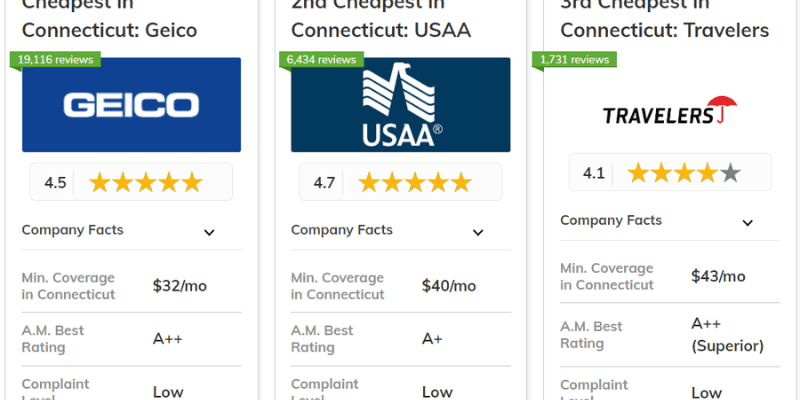
When evaluating car insurance options, particularly when searching for the cheapest car insurance in CT, it’s crucial to look beyond just the price tag. The financial strength and reputation of an insurance provider are paramount, as they directly impact the reliability of your coverage and the efficiency of the claims process when you need it most. A financially stable company is better equipped to pay out claims, even during widespread catastrophic events, ensuring you receive the support you’ve paid for without undue delay or difficulty. This aspect is especially important for policyholders who depend on their insurance for financial security following an accident.

Independent rating agencies specialize in assessing the financial health of insurance companies. While specific agency names cannot be mentioned, these organizations provide valuable insights into an insurer’s ability to meet its financial obligations. Looking for companies with strong ratings. A company’s reputation also extends to its customer service and claims handling. Reading customer reviews and professional assessments can provide a clear picture of how an insurer treats its policyholders,, even if it’s not the absolute cheapest, can prove to be the more cost-effective choice in the long run by avoiding potential frustrations and ensuring timely payouts.

Exploring less common discount opportunities

Beyond the standard discounts for bundling policies or maintaining a clean driving record, many insurance companies offer a variety of less commonly known opportunities for reducing your premiums. These often specific and unique discount programs can add up to significant savings, helping you secure the cheapest car insurance in CT that aligns with your specific lifestyle and driving habits. Proactively inquiring about these specialized options can uncover additional ways to lower your costs, proving that a little extra research can go a long way in optimizing your insurance expenses.

Telematics programs and usage-based insurance

Telematics programs, often referred to as usage-based insurance, represent a modern approach to premium calculation. These programs involve installing a small device in your car or using a smartphone app that monitors your driving habits, such as mileage, speed, braking patterns, and the time of day you drive. If you demonstrate safe driving behaviors, the insurer may reward you with lower premiums. This option is particularly beneficial for drivers who have excellent habits but might not otherwise qualify for significant discounts based on other factors. It offers a personalized pricing model, allowing careful drivers to directly influence their insurance costs based on their actual risk profile.

Professional affiliations and loyalty discounts

Many insurance providers partner with various organizations, employers, or alumni associations to offer exclusive discounts to their members. If you are a member of a professional organization, a union, an affinity group, or an alumnus of a specific university, it’s worth checking if your insurer has any special agreements that could translate into a discount. Additionally, some companies offer loyalty discounts to long-term policyholders, recognizing their continued business. While these discounts might not always be heavily advertised, a direct inquiry to your insurance agent or a thorough review of the insurer’s website can uncover these valuable savings opportunities.

What to review in your policy details
What to review in your policy details

Obtaining the cheapest car insurance in CT involves more than just comparing premium prices; it also requires a meticulous review of the policy’s fine print. Understanding the specific terms, conditions, and operational mechanics of your insurance contract is crucial to ensuring that you are adequately protected and that there are no unexpected gaps in your coverage. Many policyholders mistakenly assume that all policies are essentially the same, leading to potential disappointments during the claims process. A thorough examination of your policy details can prevent future headaches and provide clarity on what you can expect.

Understanding exclusions and limitations

Every insurance policy contains specific exclusions and limitations that define what is and is not covered. Exclusions are events or circumstances for which the insurance company will not provide coverage, while limitations specify the maximum amount the insurer will pay for a covered event. For example, some policies might exclude damage caused by intentional acts, or they might limit coverage for custom modifications to your vehicle. It is vital to read these sections carefully to avoid any surprises if you need to file a claim. If you are unsure about any specific clause, it is always best to seek clarification from your insurance agent or a qualified insurance consultant to ensure a complete understanding of your policy’s boundaries.

The claims process explained

Knowing how to navigate the claims process is just as important as understanding your coverage. While you hope never to need it, being prepared for an accident or incident can significantly reduce stress and streamline the resolution. Typically, the claims process begins with reporting the incident to your insurer as soon as safely possible. You will then need to provide detailed information, potentially including photos, police reports, and contact information for other parties involved. The insurance company will assign an adjuster to investigate the claim, assess damages, and determine coverage. Understanding these steps and your responsibilities as a policyholder can help ensure a smooth and efficient experience, leading to a timely and fair resolution.

Final thoughts

Navigating the landscape of car insurance in Connecticut can seem daunting, but by adopting a strategic and informed approach, you can effectively secure the cheapest car insurance in CT without sacrificing essential protection. Daily98news encourages you to thoroughly research your options, compare quotes, you’ll not only save money but also gain the peace of mind that comes with knowing you and your family are well-protected on the road.

Can You Get Car Insurance Without A License

0

In the realm of personal finance and risk management, car insurance stands as a cornerstone for protecting your assets and ensuring financial security. Many people assume that possessing a valid driver’s license is a prerequisite for obtaining any form of auto insurance. However, this isn’t always the case. Today, let’s join Daily98news to find out: can you get car insurance without a license? This question often arises in various unique situations, from individuals owning vehicles they don’t personally drive to those managing insurance for family members who are new drivers or no longer able to drive. Understanding the nuances of insurance eligibility when you don’t hold a driver’s license is crucial for making informed decisions and ensuring comprehensive coverage.

Understanding Car Insurance Eligibility

Understanding Car Insurance Eligibility

Car insurance policies are primarily designed to cover financial losses resulting. While a driver’s license is typically used by insurers to assess driving history and risk, it is not always a strict barrier to obtaining a policy. The key lies in understanding that insurance often protects the vehicle and its owner, rather than exclusively the person behind the wheel. Various scenarios necessitate insurance for a vehicle even if the owner does not possess a license, and the insurance industry has adapted to accommodate these diverse needs. This flexibility is vital for ensuring that vehicles are appropriately covered, regardless of the owner’s driving status.

The Purpose Of Car Insurance

The fundamental purpose of car insurance is to provide financial protection against potential liabilities and damages related to vehicle ownership and operation. This includes coverage for bodily injury and property damage to others if you are at fault in an accident, as well as protection for your own vehicle against theft, vandalism, or collision, depending on the policy type. Insurance also plays a critical role in fulfilling state-mandated financial responsibility laws, which typically require registered vehicles to carry at least minimum liability coverage. Without insurance, vehicle owners could face substantial out-of-pocket expenses and legal repercussions in the event of an incident.

Why A License Is Typically Required For Drivers

Insurance providers typically request a driver’s license number during the application process because it allows them to access a driver’s history, including past accidents, traffic violations, and claims. This information is a primary factor in assessing risk and determining premium rates. A driver with a clean record generally poses less risk to an insurer than someone with a history of incidents. The license helps insurers quantify the likelihood of future claims, influencing the cost and availability of coverage. Consequently, the absence of a license can complicate the risk assessment process for standard policies.

Scenarios Where A Non-Licensed Individual Might Need Insurance

While it may seem counterintuitive, there are several legitimate situations where an individual might need to purchase car insurance without holding a valid driver’s license. These scenarios highlight the distinction between vehicle ownership and actual driving, demonstrating the importance of adaptable insurance solutions.

Insuring A Vehicle For A Licensed Driver

One of the most common reasons an unlicensed person might need car insurance is to insure a vehicle for a licensed driver in their household. For instance, a parent might own a car that their newly licensed teenager drives, or an adult child might own a vehicle for an elderly parent who can no longer drive but still needs transportation. In such cases, the unlicensed owner can typically be listed as the “named insured” on the policy, while the licensed individual is designated as the primary driver. This arrangement ensures that the vehicle is legally insured and that the actual driver is covered. It’s often more affordable to add a teen driver to an existing family policy than for them to get a standalone policy. Insurers will primarily use the licensed driver’s history to determine rates.

Owning A Collector Or Stored Car

Another frequent scenario involves owning classic, collector, or antique cars that are not regularly driven or are kept in storage. These vehicles still require protection against risks such as theft, vandalism, fire, or natural disasters, even if they never leave the garage. Specialized classic car insurance policies are available for such situations, often with unique eligibility requirements. These policies typically account for limited use and often require secure storage. The owner might not need a license to obtain this type of coverage, as the vehicle’s protection is the primary concern rather than the owner’s driving habits.

Medical Conditions Or Age Preventing Driving

Individuals who previously held a driver’s license but can no longer drive due to age, disability, or medical conditions may still own a vehicle. In these circumstances, a family member or caregiver might operate the car. The unlicensed owner can purchase insurance for the vehicle, listing the licensed driver as the primary operator. This ensures that the vehicle remains insured for necessary transportation. Seniors, for example, may no longer have a license but need to continue insuring their car for an aide or family member to drive it. Similarly, maintaining continuous coverage is encouraged to avoid higher rates due to lapses in coverage, even if you no longer have a license.

Suspended Or Revoked License

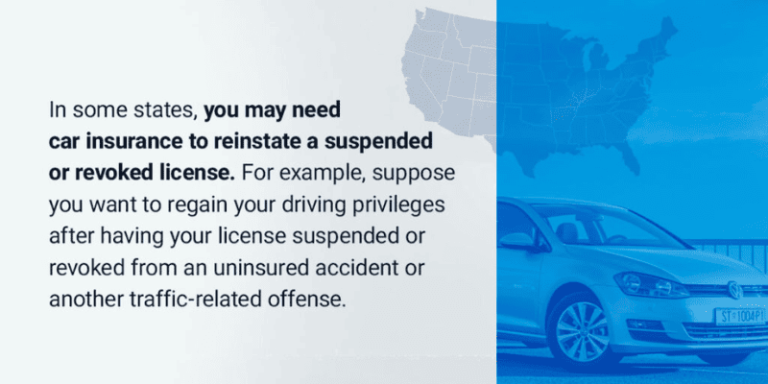
If an individual’s driver’s license has been suspended or revoked, they are legally prohibited, individuals might be required to file an SR-22 or FR-44 form as proof of financial responsibility, even if they don’t own a car. Non-owner car insurance can fulfill this requirement, providing liability coverage when driving a non-owned vehicle.

Navigating The Application Process Without A Driver’s License

Navigating The Application Process Without A Driver’s License

While it is possible to obtain car insurance without a license, the application process may require a few extra steps compared to a standard policy. Insurance companies may view the absence of a driver’s license as a higher risk, potentially leading to increased premiums or more limited options. However, with the right approach and understanding of available solutions, securing coverage for your vehicle is achievable. Working with experienced professionals and being transparent about your situation can significantly streamline the process.

Speaking With An Independent Agent

Given the unique nature of insuring a vehicle without a driver’s license, consulting with an independent insurance agent is often the most effective approach. These agents work with multiple insurance carriers and can identify companies that specialize in “non-standard” policies or are more accommodating to these specific situations. They can help explain the limitations and nuances of various policies and assist in getting quotes.

Designating A Primary Driver

If you own a car but do not have a license, a common solution is to designate a licensed individual as the primary driver on your policy. This person is typically a spouse, adult child, or caregiver who regularly uses the vehicle. The insurance company will primarily assess the risk based on the designated driver’s driving history. You would be listed as the named insured (the policyholder and owner) but not as an active driver. Some states may require you to list at least one licensed driver on the policy. This ensures that the vehicle is covered for its primary use by a legally authorized driver.

Being An Excluded Driver

In certain circumstances, especially if you have a suspended license or simply do not intend to drive the vehicle at all, you might be listed as an “excluded driver” on the policy. This means that the insurance company will not cover any claims that occur if you were to drive the car. While it helps reduce the perceived risk and potentially lowers premiums, it also means there is no coverage if you get behind the wheel, which is illegal without a valid license anyway. It’s crucial to understand the implications of being an excluded driver, as it directly impacts coverage in a claims scenario.

Specific Policy Types And Considerations

When seeking car insurance without a license, it is important to be aware of the specific policy types and considerations that apply. Traditional auto insurance structures may not always fit, necessitating a dee. Understanding terms like “named insured” versus “named driver” and exploring alternatives like non-owner or storage insurance can make a significant difference in securing appropriate and cost-effective coverage. These tailored solutions are designed to address the unique requirements of individuals who own a vehicle but do not possess a driver’s license.

Named Insured Versus Named Driver

The distinction between a “named insured” and a “named driver” is crucial in these situations. The named insured is the individual who owns the policy, is responsible for paying premiums, and has the authority to make changes to the policy. This person holds the “insurable interest” in the vehicle. A named driver, on the other hand, is someone specifically listed on the policy who is authorized to drive the insured vehicle and whose driving record influences the premium. If you are the owner without a license, you would be the named insured, while the person who drives the car would be the named driver.

Non-Owner Car Insurance

Non-owner car insurance is a policy type that provides liability coverage for individuals who drive cars they do not own but do not have a personal auto policy. This can be useful for those who frequently rent cars, borrow vehicles, or need to file an SR-22 but don’t own a vehicle. It typically covers bodily injury and property damage liability, protecting you financially if you cause an accident while driving someone else’s car. However, non-owner policies generally do not cover physical damage to the vehicle you are driving or your own injuries.

Storage Or Comprehensive-Only Insurance

For vehicles that are not being driven at all, such as classic cars in storage or vehicles undergoing long-term repairs, storage or comprehensive-only insurance can be a practical solution. While not legally required to insure a car that is not being driven at all, it’s wise to maintain some level of coverage. This type of policy primarily protects against non-collision incidents like theft, vandalism, fire, or weather damage. It allows the owner to safeguard their investment without incurring the full cost of a standard policy that includes liability and collision coverage. Some insurers allow keeping comprehensive coverage while dropping collision coverage for stored vehicles.

Legal Implications And State Regulations

Legal Implications And State Regulations

Navigating car insurance without a license also involves understanding the legal landscape and specific state regulations. While federal laws do not directly dictate car insurance requirements, each state has its own rules regarding minimum coverage, vehicle registration, and who can be listed on a policy. Failure to comply with these laws can result in fines, penalties, or even legal liability in the event of an accident. It is paramount to research and understand the requirements of your specific state.

State Minimum Requirements

All states require registered vehicles to carry at least minimum liability insurance coverage. This typically includes bodily injury liability and property damage liability. These minimums vary significantly, along with uninsured/underinsured motorist coverage. Missouri also requires motor vehicle owners to maintain liability insurance and carry proof of insurance in their vehicle at all times. Even if you don’t drive, if your car is registered, it must be insured to meet state laws.

Negligent Entrustment

A significant legal concern for vehicle owners allowing an unlicensed driver to operate their car is the doctrine of “negligent entrustment.” This legal principle holds a vehicle owner liable if they knowingly allow an incompetent or unlicensed driver to use their vehicle, and that driver subsequently causes an accident. For example, in California, if an owner knowingly allows an unlicensed driver to operate their vehicle, they may be liable for damages if that person causes an accident. This can have serious financial and legal repercussions for the vehicle owner, underscoring the importance of responsible vehicle sharing.

Consequences Of Accidents With Unlicensed Drivers

If an unlicensed driver causes an accident while operating your insured vehicle, the situation can become complicated. While your insurance company may cover the costs, some policies have exclusions for collisions involving unlicensed drivers. In such cases, the unlicensed driver may not have insurance coverage, making it challenging to recover compensation. Furthermore, driving without a license is illegal and can lead to criminal charges for the driver, and potentially impact the vehicle owner’s insurance premiums. It’s crucial for victims of accidents involving an unlicensed driver to understand their options, including pursuing claims through their uninsured or underinsured motorist coverage.

Conclusion

The question, can you get car insurance without a license, is definitively “yes,” but it comes with specific considerations and approaches. As we’ve explored with Daily98news, while challenging, it is entirely possible to secure appropriate coverage for your vehicle even if you do not possess a valid driver’s license. Whether you are insuring a car for a licensed family member, protecting a classic vehicle in storage, or navigating specific personal circumstances, understanding the various policy types and legal implications is key. By working with knowledgeable insurance professionals and clearly communicating your needs, you can ensure that your assets are protected and that you comply with all state regulations. Don’t let the absence of a driver’s license deter you from securing the financial protection your vehicle requires; explore your options to make informed decisions for your personal and family risk management strategy.

Is It Illegal To Drive Without Insurance Understanding The Risks

0

In today’s fast-paced world, where busy schedules and financial pressures often take center stage, it can be tempting to overlook certain obligations, especially those that don’t seem immediately critical. However, when it comes to operating a vehicle, understanding whether is it illegal to drive without insurance is not just a matter of legal compliance but a fundamental aspect of responsible financial and personal risk management. Daily98news will accompany you on a comprehensive exploration of this vital topic, shedding light on the legal ramifications, potential financial devastation, and the broader societal impact of driving uninsured. Our goal is to empower you with objective and transparent knowledge, helping you make informed decisions that protect yourself, your family, and your financial future.

The Legal Imperative Of Auto Insurance

The Legal Imperative Of Auto Insurance

Driving is a privilege, not an inherent right, and with that privilege comes a significant responsibility: ensuring you are adequately insured. The vast majority of states in the U.S., with New Hampshire being a notable exception, mandate that drivers carry a minimum level of auto insurance to legally operate a vehicle on public roads. This legal requirement isn’t merely bureaucratic; it’s a cornerstone of public safety and financial stability, designed to protect all road users.

These laws are commonly known as “financial responsibility laws,” meaning drivers must be able to cover damages they cause in an accident. While some states offer alternatives like posting a bond or proof of self-insurance, these are typically far more expensive and complex than simply purchasing an insurance policy. Therefore, for the overwhelming majority of drivers, the question of is it illegal to drive without insurance is unequivocally answered with a “yes,” carrying serious implications for those who disregard it.

State-Specific Requirements

While the principle of mandatory auto insurance is widespread, the specific minimum coverage requirements can vary significantly.

Most states require at least two main components of liability coverage:

  • Bodily Injury Liability: This covers medical costs and lost wages for anyone you injure in an at-fault accident. The limits are usually expressed per person and per accident (e.g., $25,000, $50,000 per accident).
  • Property Damage Liability: This covers damage to the other driver’s vehicle and any other property (like a fence or light post) that you damage in an accident.

Beyond these core liability coverages, some states may also mandate other types of protection. For instance, personal injury protection (PIP) or medical payments (MedPay) coverage, which helps pay for your medical expenses and those of your passengers regardless of fault, is required in a number of states. Additionally, uninsured and underinsured motorist (UM/UIM) coverage, designed to protect you if you’re involved in an accident with a driver who lacks sufficient or any insurance, is mandatory in about half of all states. Understanding your state’s specific mandates is the first critical step in ensuring legal compliance and adequate protection.

Consequences Of Driving Uninsured

The decision to drive without insurance, or with inadequate coverage, can lead to a cascade of severe legal and financial repercussions. Law enforcement and state governments take the issue of uninsured driving seriously, often imposing stiff penalties for offenders. These consequences are designed not only to punish those who break the law but also to deter others.

Legal Penalties

Getting caught driving without insurance can result in immediate and often costly legal penalties. The exact nature and severity of these penalties depend on state laws and whether it’s a first-time or repeat offense.

Common legal consequences include:

  • Fines: Fines for a first offense can range, fines can range from $100 to $5,000, while in Washington, a first offense could be $550 or more. Subsequent offenses typically carry even higher fines.
  • License Suspension: Your driver’s license can be immediately suspended for a period, which can last.
  • Vehicle Impoundment: Law enforcement officers may have the right to impound your vehicle until you can provide proof of valid insurance. This incurs towing and storage fees, adding to the financial burden.
  • Jail Time: In some states, particularly for repeat offenses or if an accident occurs, driving without insurance can even lead to short jail sentences.
  • SR-22 Requirement: After a suspension for driving without insurance, many states will require you to file an SR-22 certificate, which proves future financial responsibility. Maintaining an SR-22 can be expensive and indicates to insurers that you are a high-risk driver, leading to significantly increased premiums for several years.

Financial Risks And Liabilities

Beyond the immediate legal penalties, the financial risks associated with driving uninsured are arguably even more devastating. If you cause an accident while uninsured, you become personally liable for all damages, which can quickly amount to tens or even hundreds of thousands of dollars.

Consider these potential financial liabilities:

  • Medical Expenses: You would be personally responsible for the medical bills, lost wages, and pain and suffering of anyone you injure in an accident. These costs can escalate rapidly, potentially overwhelming your personal savings and assets.
  • Property Damage: All costs for repairing or replacing the other driver’s vehicle, as well as any other property damaged (like guardrails or buildings), would fall to you.
  • Lawsuits: If the damages exceed your ability to pay, the injured parties can sue you to recover their losses. This could lead to wage garnishments, the seizure of your assets, or even bankruptcy.
  • Increased Future Premiums: Even if you eventually obtain insurance after being caught without it, your status as a high-risk driver will likely result in significantly higher insurance premiums for years to come. This makes securing affordable coverage challenging.

The average cost of an uninsured motorist claim can be substantial, with some estimates around $20,000, excluding physical damage to the vehicle. With approximately 14% of drivers nationwide uninsured in 2022, equating to over 32 million licensed drivers lacking financial liability protection, the risk of encountering an uninsured driver is a real concern. Insured drivers collectively pay billions annually to cover losses caused by uninsured motorists, underscoring the collective burden of this issue.

Understanding Minimum Coverage Requirements

Understanding Minimum Coverage Requirements

While nearly every state mandates auto insurance, simply meeting the bare minimum coverage requirements might not provide sufficient protection for you and your family. These state-mandated minimums are often just that a legal baseline and may not adequately cover the full extent of damages in a serious accident. Understanding what these minimums entail and when to consider higher coverage is crucial for true financial security.

Most states express liability limits in a three-number format, such as 25/50/25.

  • The first number ($25,000) represents the maximum amount your insurer will pay for bodily injury liability.
  • The second number ($50,000) is the maximum your insurer will pay for total bodily injury liability for all persons injured in one accident.
  • The third number ($25,000) is the maximum for property damage liability, consider the real-world costs of a severe accident, which can easily involve hundreds of thousands of dollars in medical bills, lost wages, and vehicle repairs. If you are at fault and the damages exceed your minimum policy limits, you become personally responsible for the remaining balance. This is where the gap between minimum legal compliance and genuine financial protection becomes evident.

Types Of Essential Coverage Beyond The Minimum

To ensure comprehensive protection, it’s advisable to consider coverage types and limits beyond your state’s minimum requirements. These additional coverages are not merely “extras” but vital components of a robust risk management strategy, particularly for individuals with assets to protect and families to secure.

Here are key types of coverage to evaluate:

  • Collision Coverage: This pays for damages to your own vehicle after an accident, regardless of who is at fault. It’s particularly important if you have a newer or expensive vehicle that would be costly to repair or replace. If your car is financed or leased, lenders typically require collision coverage.
  • Comprehensive Coverage: Often paired with collision, comprehensive coverage protects your car from damage caused by non-collision events, such as theft, vandalism, fire, natural disasters (hail, floods), or hitting an animal. Like collision, it’s usually required by lenders for financed vehicles.
  • Uninsured/Underinsured Motorist (UM/UIM) Coverage: As noted, many states require this, but even if optional, it’s highly recommended. Given that roughly 14% of drivers are uninsured, this coverage protects you and your passengers for medical bills and property damage if you’re hit by a driver with insufficient or no insurance, or in a hit-and-run incident. The average cost of an uninsured motorist claim can be approximately $20,000, emphasizing the value of this protection.
  • Personal Injury Protection (PIP) or Medical Payments (MedPay): While required in some “no-fault” states, these cover medical expenses, lost wages, and other related costs for you and your passengers after an accident, regardless of fault. This can be crucial even if you have health insurance, as it often provides broader coverage for accident-related expenses.
  • Gap Insurance: If you’re leasing or financing a new car, gap insurance is worth considering. In the event your car is totaled, this coverage pays the difference between the actual cash value of the vehicle and the outstanding balance on your loan or lease, preventing you, reduces your out-of-pocket costs, and shields your personal assets.

Navigating The Claims Process As An Uninsured Driver

Navigating The Claims Process As An Uninsured Driver

Being involved in an accident is stressful under any circumstances, but for an uninsured driver, the situation becomes significantly more complex and financially precarious. The absence of an insurance policy transforms what would typically be a structured claims process into a daunting personal liability challenge. Understanding the grim reality of this scenario can further underscore why ensuring you are never caught asking is it illegal to drive without insurance firsthand is paramount.

When an uninsured driver causes an accident, they forego the primary benefit of insurance: having an insurer manage and pay for the damages. Instead, the full financial burden falls directly on the driver. This means that if another party is injured or their property is damaged, the uninsured driver is personally responsible for covering all medical expenses, lost wages, vehicle repairs, and any other associated costs. These expenses can quickly accumulate to astronomical figures, often far exceeding an individual’s immediate financial capacity.

Furthermore, the lack of insurance immediately puts the uninsured driver at a legal disadvantage. The injured parties, or their insurance companies, will likely pursue legal action to recover their losses. This can result in civil lawsuits, judgments against the uninsured driver, and potentially the garnishment of wages or seizure of personal assets to satisfy those judgments. Without the legal representation and financial backing an insurance company provides, navigating such a scenario alone is exceptionally difficult and can lead to long-term financial distress.

Real-World Claim Scenarios And Contract Loopholes

To illustrate the severity of driving without insurance, let’s consider a few real-world scenarios:

  • Scenario 1: Minor Fender Bender: You’re driving without insurance and gently rear-end another car at a stop light, causing minimal damage to their bum, the other driver’s insurance company will pursue you directly for repair costs. If you lack the funds, they can sue you, leading to fines, license suspension, and a civil judgment that could affect your credit for years. The repair bill, plus court costs and administrative fees, could still amount to thousands.
  • Scenario 2: Significant Injury Accident: While driving uninsured, you mistakenly run a red light and collide with another vehicle, resulting in significant injuries to the occupants of the other car and substantial damage to both vehicles. In this catastrophic scenario, you would be personally responsible for all medical bills, which could easily exceed hundreds of thousands of dollars, lost wages for the injured parties, pain and suffering compensation, and the cost to repair or replace their vehicle. Your license would almost certainly be suspended, your car impounded, and you would face massive fines and potential jail time. Without insurance, your home, savings, and future earnings could be at risk due to lawsuits.

Scenario 3: Hit-and-Run: Even if you are the victim of an accident, if you are uninsured, your options are severely limited. While the at-fault driver’s insurance would ideally cover your damages, if they flee the scene or are also uninsured, you would be left to bear all your own medical and vehicle repair costs out-of-pocket. This highlights why Uninsured/Underinsured Motorist (UM/UIM) coverage is so critical, protecting you even when others fail to meet their obligations.

  • These scenarios highlight a crucial “contract loophole” for uninsured drivers: there is no contract to begin with. Without an insurance policy, there are no terms, no benefits, and no insurer to act as your financial shield or legal advocate. The individual is left completely exposed to the full legal and financial weight of an accident they cause, or even one they are a victim of if the other party is also uninsured. This immense risk far outweighs any perceived savings, emphasizing that ensuring you have coverage is not just about avoiding the question of is it illegal to drive without insurance, but about protecting your entire financial well-being.

Protecting Your Family: Beyond Basic Coverage

For adults with families, seeking financial protection solutions is a primary concern. Auto insurance extends far beyond individual compliance; it’s a critical component of a comprehensive family risk management strategy. While the legal minimum coverage prevents you from facing charges for whether is it illegal to drive without insurance, it often falls drastically short of providing the peace of mind and financial security families need. A truly adequate policy safeguards against unexpected events that could otherwise devastate household finances and future stability.

Carrying higher coverage limits provides peace of mind that minimal policies cannot match. Medical expenses, and higher coverage ensures that you are not overwhelmed by out-of-pocket payments. Furthermore, comprehensive protection extends to repairs when your vehicle is damaged, protecting valuable family assets. Perhaps the most important advantage is that higher coverage helps offset legal fees when other drivers pursue compensation claims, shielding your family not only.

Evaluating Coverage Needs For Your Family

Determining the right level of coverage for your family involves a careful assessment of various factors, including your assets, income, driving habits, and risk tolerance. It’s a proactive step that moves beyond simply avoiding the legal repercussions of asking is it illegal to drive without insurance, to actively building a robust financial shield.

Consider these aspects when evaluating your family’s needs:

  • Asset Protection: If you own a home, have significant savings, or other valuable assets, your liability limits should be high enough to protect these in the event of a severe at-fault accident. Lawsuits can target personal assets if your insurance coverage is insufficient.
  • Family Medical Needs: Factor in the potential medical costs for all family members. Even with health insurance, accident-related expenses can be extensive, and robust Personal Injury Protection (PIP) or Medical Payments (MedPay) coverage can provide an essential layer of support.
  • Vehicle Value and Replacement: If you drive newer or more expensive vehicles, ensure your collision and comprehensive coverage limits are adequate to cover repair or replacement costs. This prevents significant out-of-pocket expenses should your family vehicle be damaged or totaled.
  • Uninsured Motorist Exposure: With millions of uninsured drivers on the road, having strong Uninsured/Underinsured Motorist (UM/UIM) coverage is paramount. This protects your family’s health and property if an uninsured driver injures them or damages their vehicle.
  • Driving Habits and Teen Drivers: Families with multiple drivers, especially teenagers, face higher risks. Statistically, younger drivers often have higher accident rates, making comprehensive coverage and higher liability limits even more crucial.

Finding The Right Insurance Policy

Selecting the right car insurance policy is a critical financial decision for any individual or family. With numerous providers and countless policy options, the process can feel overwhelming. However, by focusing on key factors such as coverage, cost, and company reputation, you can confidently choose a policy that offers both financial protection and peace of mind. Daily98news encourages a diligent, informed approach, ensuring you never have to grapple with the serious implications of is it illegal to drive without insurance.

Key Factors For Selection

When comparing insurance policies, it’s essential to look beyond just the lowest premium. A comprehensive evaluation involves several critical factors:

  • Coverage Options and Limits: First, determine the level of coverage you truly need, considering your assets and family’s potential risks. While state minimums are a starting point, they are often insufficient. Explore options for higher liability limits, robust collision and comprehensive coverage, and essential additions like uninsured/underinsured motorist protection and personal injury protection. The cheapest policy may not provide the necessary protection when you need it most.
  • Cost and Deductibles: Premiums are the monthly or annual cost of your policy, while deductibles are the out-of-pocket amount you pay before your insurance coverage kicks in. A higher deductible generally leads to lower premiums, but ensure you can comfortably afford the deductible amount in the event of a claim. Always compare several quotes for the same level of coverage, as prices can vary significantly between providers.
  • Company Reputation and Financial Strength: The financial health of your chosen insurer is paramount. A low rate is meaningless if the company cannot pay its claims. Independent rating companies like A.M. Best, Fitch, Moody’s, and Standard & Poor’s assess insurers’ financial strength and creditworthiness. Look for companies with high Financial Strength Ratings (FSRs), typically A or above, which indicate a superior or excellent ability to meet policyholder obligations.
  • Customer Service and Claims Process: A policy with excellent coverage and pricing is not enough if the insurance company has poor customer service or a complicated claims process. Research online reviews and ratings (e.g., J.D. Power, Better Business Bureau) to gauge customer satisfaction and the insurer’s responsiveness, especially regarding their 24/7 claims support.

Factors Affecting Premium Calculation

Insurance premiums are not arbitrary; they are meticulously calculated based on actuarial science and numerous risk factors. Understanding these factors can help you find ways to potentially lower your costs.

Key influences on your premium include:

  • Your Driving Record: A clean driving record with no accidents or moving violations is one of the most significant factors in securing lower rates. Accidents, tickets, and violations instantly increase your premiums as they signal higher risk to insurers.
  • Your Age and Experience: Young drivers, especially teenagers, typically face the highest premiums due to their limited experience and statistically higher accident rates. Rates generally decrease as drivers gain more experience, often hitting their lowest in their 50s.
  • Type of Vehicle: The make, model, age, and safety features of your car heavily influence your premium. More expensive vehicles, luxury cars, or sports cars generally cost more to insure due to higher repair or replacement costs and increased theft risk. Safer vehicles with strong ratings and anti-theft devices may qualify for discounts.
  • Location: Your zip code and state of residency play a significant role. Densely populated areas with higher traffic, accident rates, theft, and vandalism tend to have higher premiums than rural areas.
  • Credit History: In many states, your credit score can impact your car insurance rates, with drivers with poor credit often paying significantly more.
  • Coverage Limits and Deductibles: As discussed, choosing higher coverage limits will increase your premium, while opting for a higher deductible can lower it.
  • Discounts: Many insurers offer a variety of discounts, such as multi-policy (bundling auto and home insurance), good student, low-mileage, safe driver, and anti-theft device discounts. Always inquire about all available discounts to maximize your savings.

By carefully evaluating these factors and obtaining multiple quotes, you can make an informed decision that balances adequate protection with an affordable premium, ensuring your family’s financial security on the road.
Conclusion

The question of is it illegal to drive without insurance is met with a resounding “yes” in nearly every state, and the legal and financial ramifications for doing so are severe and far-reaching. Daily98news has highlighted that beyond the fines, license suspensions, and potential jail time, the real danger lies in the profound financial exposure you place upon yourself and your family in the event of an accident. The immense costs of medical bills, property damage, and potential lawsuits can lead to devastating personal liability, underscoring that minimum coverage is often just a legal formality, not true protection.

We urge you to view auto insurance not as a burdensome expense, but as an indispensable tool for financial risk management and a cornerstone of your family’s security. Proactively assess your coverage needs, considering your assets, family members, and driving habits, and always aim for protection that extends beyond state minimums. By choosing a reputable insurer with strong financial health and excellent customer service, and by comparing multiple quotes, you can secure a policy that offers both comprehensive coverage and peace of mind. Make the informed choice to protect your loved ones and your financial future; never let yourself be caught driving without adequate insurance.

Understanding: Does Homeowners Insurance Cover Mold?

0

Welcome to Daily98news, where we strive to provide objective and transparent insights into the complex world of insurance. Today, let’s join Daily98news to find out about a pervasive and often misunderstood household issue: mold. Homeowners frequently encounter mold, whether it’s a small patch in a damp bathroom or a more significant infestation behind walls, leading to concerns about its financial implications. The critical question many homeowners ask is, does homeowners insurance cover mold? The answer is rarely a simple yes or no, as coverage hinges on the cause of the mold and the specifics of your individual policy. Understanding these nuances is essential for protecting your property and financial well-being, helping you avoid costly surprises and make informed decisions about your coverage.

The Nature of Mold and its Impact on Your Home

The Nature of Mold and its Impact on Your Home

Mold, a common fungus, thrives in damp environments and can quickly spread throughout a home if moisture issues are not addressed promptly. It isn’t merely an unsightly nuisance; mold can cause significant structural damage by eating away at organic materials like drywall, wood, and insulation, leading to rot and deterioration. Beyond property damage, mold exposure can also trigger health concerns, ranging, localized mold problems might cost between $500 and $1,500 to address, while more extensive whole-house remediation projects could range from $10,000 to $30,000 or even upwards of $40,000 in severe cases. Professionals often charge between $10 and $25, with prices escalating for hard-to-reach areas like HVAC systems or within walls. These substantial costs highlight why homeowners are so keen to understand if their insurance policy will provide financial relief when faced with a mold issue.

Standard Homeowners Insurance Policies and Mold Coverage

Standard homeowners insurance policies are primarily designed to cover sudden and accidental damage caused by specific “perils” listed in your policy, such as fire, theft, or certain types of water damage. When it comes to mold, the general rule is that coverage is often limited or excluded entirely unless the mold growth is a direct result of one of these covered perils. This means the origin of the moisture that led to the mold is the determining factor for whether an insurance claim will be approved. If the water damage that caused the mold was sudden and unexpected, you are more likely to find coverage.

However, if the mold developed due to ongoing maintenance issues, neglect, or prolonged exposure to moisture that could have been prevented, standard policies typically will not cover the damage. This distinction is crucial for homeowners to grasp. Insurance companies view homeowners as responsible for the routine care and upkeep of their property, and damage stemming, simply discovering mold in your home does not automatically trigger an insurance payout; the cause must align with a covered peril.

When Homeowners Insurance May Cover Mold Damage

When Homeowners Insurance May Cover Mold Damage

Understanding the specific scenarios where your homeowners insurance might cover mold is essential. Policies typically offer coverage for mold when it stems, which is considered a “covered peril.” These are often unforeseen incidents that you couldn’t reasonably prevent through regular home maintenance.

Sudden and Accidental Water Damage

One of the most common situations where homeowners insurance covers mold is when the mold growth is a direct consequence of sudden and accidental water damage. For instance, if a pipe bursts unexpectedly, a water heater ruptures, or an appliance like a dishwasher or washing machine suddenly overflows, and mold subsequently develops.

Hidden Water Damage and Resulting Mold

In some cases, mold might develop.

Common Exclusions for Mold Damage

While your policy might offer some protection, it is equally important to understand the situations where homeowners insurance does not cover mold. Most standard policies include explicit exclusions for mold damage, particularly when it is deemed preventable or a result of long-term issues. These exclusions highlight the importance of proactive home maintenance.

Neglect and Lack of Maintenance

A primary reason for mold claim denials is when the damage results.

Flood Damage and Water Backup

Standard homeowners insurance policies explicitly exclude damage caused by flooding, which includes any mold resulting. To protect against flood-related mold, you would need a separate flood insurance policy, often obtained through the National Flood Insurance Program (NFIP) or private insurers. Similarly, water damage, many insurers offer an optional “water backup and sump pump overflow” endorsement that can provide coverage for these specific perils, including any associated mold.

Expanding Your Mold Protection: Endorsements and Riders

Given the common exclusions and limitations of standard policies regarding mold, many homeowners choose to enhance their coverage by purchasing specific endorsements or riders. These optional add-ons can significantly broaden your protection against mold-related costs, providing greater peace of mind.

Mold endorsements are essentially an extension of your existing homeowners insurance policy, designed to cover damage caused by mold, fungus, and microbial growth. These endorsements typically cover the costs associated with removing the mold, repairing or replacing damaged property, and addressing the underlying cause, such as a leaky pipe. Some may even cover additional living expenses if the mold remediation requires you to temporarily vacate your home. It is important to note that even with an endorsement, coverage may still be limited to specific causes of mold, and the endorsement itself will have a maximum coverage limit.

These added coverages are particularly valuable in humid climates or areas prone to water damage, where the risk of mold growth is higher. While standard policies often cap mold remediation coverage at a low amount, typically ranging from $1,000 to $10,000, a mold endorsement can increase this limit, sometimes significantly. It’s crucial to review the terms and limits of any mold endorsement carefully with your insurance agent to ensure it aligns with your specific needs and the potential costs of remediation in your area. For instance, in states like Florida, where mold is a prevalent concern, additional mold coverage can be more expensive due to the higher risk.

Proactive Steps to Prevent Mold Growth

Proactive Steps to Prevent Mold Growth

Preventing mold growth is often more effective and less costly than dealing with a full-blown infestation and wondering if homeowners insurance covers mold. As a homeowner, taking proactive steps to control moisture in your home is your first and best line of defense. Simple preventative measures can significantly reduce your risk of mold and, consequently, your reliance on insurance claims.

Regularly inspecting your home for leaks and addressing them immediately is paramount. Check pipes, hoses, and fittings on appliances like washing machines, dishwashers, and water heaters. Replace appliance hoses every five years as a preventative measure. Maintaining your roof and keeping gutters free of debris ensures proper water drainage away from your home’s foundation. Inside, control humidity levels by using air conditioners or dehumidifiers, aiming for indoor humidity between 30% and 60%. Install exhaust fans in kitchens and bathrooms to vent moisture during cooking and bathing.

Promptly cleaning up any spills or leaks within 24-48 hours is also critical to prevent mold.

Navigating a Mold Insurance Claim

If you discover mold in your home and believe it stems.

Documenting the Damage and Notifying Your Insurer

The first and most critical step is to thoroughly document all damage. Take clear photos and videos of the mold, the affected areas, and crucially, the identified source of the water intrusion. This visual evidence will be vital in substantiating your claim. Next, notify your insurance company or agent immediately. Prompt reporting is often a condition of your policy, and delays can lead to a claim denial, especially since mold can spread rapidly. Clearly explain the cause of the water damage and the subsequent mold growth, focusing on how it relates to a sudden and accidental event.

Mitigation and Professional Assessment

While waiting for your insurer, take reasonable temporary measures to prevent further damage and mold spread. This might include turning off the water supply to a burst pipe, drying affected areas with fans, and removing soaked materials that can’t be salvaged. Keep detailed records and receipts for any temporary repairs or mitigation efforts, as these costs may be reimbursable if your claim is covered. Your insurer may also require a professional mold inspection or remediation expert to assess the damage and its cause. These professionals can provide a detailed report, which is essential for your insurance claim. Understand that while mold remediation is often costly, ranging on average from $2,230 to $2,365 for many homeowners, the ultimate coverage will hinge on the origin of the moisture and your policy’s terms and limits.

Conclusion

Understanding does homeowners insurance cover mold is a critical aspect of responsible homeownership and financial planning. As we’ve explored, standard policies typically offer coverage for mold only when it results, long-term maintenance issues, or flooding is generally excluded, emphasizing the homeowner’s responsibility for routine property upkeep. Given the potentially high costs of mold remediation, which can range. Don’t wait until a problem arises; ensure your home and family are adequately protected today.

Finding Cheap Car Insurance In VA Your Comprehensive Guide

0

For many Virginians, navigating the complexities of auto insurance can feel like a daunting task. You want reliable protection for yourself and your family, but also need to ensure it fits within your household budget. The quest for cheap car insurance in VA is a common one, driven by a desire for financial security without overpaying. In this article, Daily98news will accompany you to explore the essential elements of car insurance in the Old Dominion, helping you understand how policies work, what drives costs, and most importantly, how to make informed decisions to secure affordable yet comprehensive coverage that genuinely meets your needs. We’ll delve into the nuances of Virginia’s insurance landscape, providing the objective insights you need to confidently protect your assets and loved ones.

Understanding Virginia’s Auto Insurance Requirements

Understanding Virginia’s Auto Insurance Requirements

Virginia has specific laws dictating the minimum amount of car insurance drivers must carry to legally operate a vehicle within the state. As of January 1, 2025, these mandatory minimums increased to provide greater financial protection for all road users. Primarily, every driver must maintain liability coverage, which is designed to cover damages or injuries you might cause to another party in an accident. This foundational coverage ensures that if you are at fault, the other driver’s medical bills and property repair costs can be addressed.

The current minimum liability limits are set at $50,000 for bodily injury or death, $100,000 for total bodily injury or death, and $25,000 for property damage, Virginia law now mandates that your policy also includes uninsured and underinsured motorist (UM/UIM) coverage at these same limits. This crucial addition protects you if you are involved in a collision with a driver who either has no insurance or insufficient coverage to pay for your damages. Driving without the required insurance in Virginia carries severe penalties, including substantial fines, suspension of your driver’s license and vehicle registration, significant reinstatement fees, and even the requirement to file an SR-22 certificate, which often leads to higher premiums for an extended period.

Factors That Influence Your Car Insurance Premiums

The price you pay for car insurance is not a one-size-fits-all figure; it’s a dynamic calculation influenced by a multitude of individual and external factors. Understanding these variables is the first step toward finding cheap car insurance in VA that aligns with your financial planning. Insurers assess various risk indicators to determine your premium, aiming to predict the likelihood and potential cost of future claims. A comprehensive analysis of these elements can help you identify areas where you might adjust your profile or policy to achieve more favorable rates.

Personal driving profile

Your personal history and characteristics play a significant role in how insurance companies view your risk level. Age is a primary factor, with younger, less experienced drivers typically facing higher premiums due to a statistically greater incidence of accidents. Conversely, mature drivers with clean records often enjoy more favorable rates, though premiums may begin to rise again in very senior years. Your driving record is paramount; tickets for moving violations, at-fault accidents, or serious infractions like DUIs will significantly increase your rates, sometimes for several years. Insurance companies also frequently use credit scores as an indicator of financial responsibility, with those having lower scores often seeing higher premiums.

Vehicle characteristics

The type of vehicle you drive directly impacts your insurance costs because it influences the potential cost of repairs or replacement after an accident. More expensive cars, luxury models, sports cars, or vehicles with high theft rates typically incur higher comprehensive and collision premiums. Conversely, cars with advanced safety features, such as anti-lock brakes, multiple airbags, and driver-assistance systems, may qualify for discounts because they reduce the risk of injury and severe damage. The age of your vehicle also plays a role; older cars, while potentially chea.

Geographic location and external influences

Where you live and park your car profoundly affects your insurance rates due to varying local risks. Urban areas with higher traffic density, increased accident rates, and greater incidence of theft or vandalism generally have higher premiums compared to rural regions. Local weather patterns also factor in, especially in Virginia’s coastal areas prone to hurricanes and flooding, or western regions susceptible to winter storms, which can lead to more weather-related claims. Beyond individual factors, broader economic trends like inflation, rising costs of vehicle repairs, and increasing medical expenses nationwide also contribute to the overall upward trend in insurance premiums.

Proven Strategies to Secure Cheap Car Insurance In Virginia

Proven Strategies to Secure Cheap Car Insurance In Virginia

While many factors influencing insurance premiums are beyond your immediate control, there are several proactive strategies you can employ to significantly reduce your costs. Finding cheap car insurance in VA is often about being a smart consumer, leveraging available savings, and tailoring your policy to your precise needs without compromising essential protection. By strategically adjusting your coverage and actively seeking opportunities for discounts, you can maintain robust financial security for your family.

Leveraging discounts and bundles

Insurance providers offer a wide array of discounts designed to reward various behaviors and circumstances. One of the most common and effective ways to save is through bundling, where you purchase multiple policies, such as auto and home insurance,. Many insurers also offer “good driver” or “accident-free” discounts for those who maintain a clean driving record over a specified period. Students with good academic standing or those away at school without a car may qualify for special rates. Furthermore, consider telematics programs, which use a device or mobile app to monitor your driving habits; safe driving can lead to substantial discounts. Always ask your agent about all available discounts, including those for vehicle safety features or completing approved defensive driving courses, especially if you are an older driver.

Optimizing your policy structure

Carefully choosing your coverage types and deductible amounts can have a major impact on your premium. While liability coverage is mandatory, other coverages like collision and comprehensive are optional unless required by a lender. Collision covers damage to your own vehicle, while comprehensive covers non-collision events such as theft, vandalism, or natural disasters. If you drive an older, lower-value car, the cost of collision and comprehensive might outweigh its potential payout, making it a candidate for removal or higher deductibles. Increasing your deductible the amount you pay out-of-pocket before your insurance kicks in will lower your premium, but ensure you can comfortably afford that higher deductible if a claim arises. Striking the right balance between cost and adequate protection is key.

The power of comparison

The insurance market in Virginia is competitive, and premiums can vary significantly between providers for the exact same coverage. Relying on your current insurer for years without checking alternatives can mean you’re missing out on substantial savings. It is highly recommended to compare quotes. This diligent comparison shopping is one of the most effective ways to find truly cheap car insurance in VA.

Evaluating Insurance Providers Beyond Price

While securing cheap car insurance in VA is a primary objective for many, focusing solely on the lowest premium can be a costly mistake in the long run. The true value of an insurance policy becomes apparent during a claim, and a rock-bottom price might come at the expense of crucial support when you need it most. As a risk manager, I emphasize the importance of evaluating an insurer’s overall reliability, customer service, and the breadth of its offerings to ensure your financial protection is robust and dependable.

Financial strength and reliability

The financial stability of an insurance company is a critical, yet often overlooked, factor. An insurer’s financial strength rating reflects its ability to meet its policyholder obligations, particularly its capacity to pay out claims, even during widespread catastrophic events. Reputable independent rating agencies assess companies based on their financial health. Opting for an insurer with strong ratings provides peace of mind that they will be there to cover your losses when you file a claim, safeguarding your financial future. A company that struggles financially may delay payouts or, in extreme cases, be unable to honor its commitments, leaving you vulnerable.

Customer service and claims handling

A seamless claims process and responsive customer service are invaluable, especially during stressful times following an accident. Researching an insurer’s reputation for customer satisfaction and claims handling can provide significant insight. Look for companies that are praised for their clear communication, efficiency, and fairness in resolving claims. A company with a strong customer service track record typically offers accessible support channels, whether through dedicated agents, user-friendly mobile apps, or robust online portals. The ease with which you can get questions answered, manage your policy, and process a claim directly impacts your overall insurance experience and the peace of mind it provides.

Policy features and flexibility

Beyond the basic liability coverage, the ability to customize your policy with additional features and coverage options is a hallmark of a valuable insurance provider. While focusing on cheap car insurance in VA, consider if the insurer offers essential optional coverages that enhance your protection, such as medical payments coverage for your injuries, rental car reimbursement, or gap insurance if you have a car loan. Some companies also provide perks like accident forgiveness, which prevents your rates from increasing after your first at-fault accident, or roadside assistance. The flexibility to adjust deductibles, add or remove drivers, and easily modify coverage as your life circumstances change ensures that your policy remains relevant and cost-effective over time.

Navigating the Claims Process Successfully

Navigating the Claims Process Successfully

Understanding the claims process is just as important as selecting the right policy. In the unfortunate event of an accident, knowing what steps to take can significantly impact the outcome and efficiency of your claim. Prompt action and thorough documentation are key to a smooth resolution. Always prioritize safety first: check for injuries, move vehicles to a safe location if possible, and contact law enforcement.

After ensuring safety, report the accident to your insurance company as soon as reasonably possible, providing accurate details of what occurred. Documenting the scene with photos, collecting contact information. Being prepared with clear records and understanding your policy’s terms helps prevent delays and ensures you receive the benefits you are entitled to, avoiding potential misunderstandings or ‘contract loopholes’ that could arise.

Final Thoughts

Securing cheap car insurance in VA requires a thoughtful approach that balances affordability with comprehensive protection and reliable service. By understanding Virginia’s mandatory coverage, identifying the various factors that influence your premiums, and actively employing strategies like leveraging discounts and diligently comparing quotes, you can make informed decisions. Remember that the lowest premium isn’t always the best value; an insurer’s financial strength, customer service, and policy flexibility are equally critical indicators of a policy’s true worth. Daily98news encourages you to regularly review your coverage, ensuring it continues to meet the evolving needs of your family and provides the peace of mind you deserve. Take the time to explore your options today and drive confidently with the right coverage in place.

Navigating Your Coverage with United States Liability Insurance Company

0

In today’s intricate financial landscape, protecting oneself and one’s family, with a particular focus on the United States Liability Insurance Company, a key player in providing specialized insurance solutions. Our goal is to equip you with objective, transparent knowledge to make informed decisions for your personal and family’s financial security.

The crucial role of liability insurance in today’s world

The crucial role of liability insurance in today’s world

Liability insurance serves as a vital financial safeguard, protecting individuals and businesses. From a simple slip-and-fall accident on your property to a professional error that causes a client financial loss, the spectrum of potential liability claims is broad and ever-present. This fundamental protection ensures that your personal wealth and business continuity are not undermined by unforeseen circumstances.

Liability policies are designed to cover the insured’s liability for damages for bodily injury, property damage, and personal and advertising injury. For instance, if a visitor gets hurt on your business premises or an employee accidentally damages a client’s property, general liability insurance can help cover the resulting legal and medical expenses. Beyond basic protection, certain professions and situations demand specialized liability coverage due to the unique risks involved in their operations. This tailored approach is essential to ensure there are no significant gaps in your financial defenses, safeguarding against vulnerabilities specific to your activities.

Introducing the United States Liability Insurance Company: A profile

The United States Liability Insurance Company (USLI) has established itself as a prominent provider of specialized insurance products across the United States. Founded in 1867, USLI boasts a long history of serving the evolving needs of businesses and individuals. Headquartered in Wayne, Pennsylvania, USLI is a proud member of the Berkshire Hathaway family of companies, benefiting, primarily catering to small to medium-sized businesses. Their business model is built on providing comprehensive insurance solutions with a strong focus on customer service, evidenced by quick response times and accessibility through independent insurance agents. The company is known for its well-designed products, which are delivered with unparalleled speed, service, and support, aiming to make it easier for customers to do business with them. This commitment to efficiency and customer satisfaction is a core tenet of their operational philosophy.

Financial strength and industry standing

A critical indicator of an insurance company’s reliability is its financial strength rating. United States Liability Insurance Company, along with its subsidiaries (Mount Vernon Fire Insurance Company, U.S. Underwriters Insurance Company, Mount Vernon Specialty Insurance Company, and Radnor Specialty Insurance Company), consistently receives top ratings, AM Best has affirmed USLI’s Financial Strength Rating of A++ (Superior) and Long-Term Issuer Credit Ratings of “aa+” (Superior), with a stable outlook. These superior ratings reflect the company’s strongest consolidated balance sheet strength, very strong operating performance, neutral business profile, and appropriate enterprise risk management.

These exceptional ratings are a testament to USLI’s extended trends of underwriting and operating profitability, superior risk-adjusted capital position, and a relevant market presence. Furthermore, the companies benefit. Such robust financial indicators provide policyholders with confidence in the company’s ability to meet its claims obligations, even in challenging economic environments.

Comprehensive coverage options from United States Liability Insurance Company

Comprehensive coverage options from United States Liability Insurance Company

The United States Liability Insurance Company offers a diverse array of insurance products designed to meet the specific needs of various clients,.

Commercial general liability (CGL)

Commercial General Liability (CGL) insurance is a foundational policy for nearly any business, protecting against claims of bodily injury, property damage, or personal and advertising injury to third parties. For example, if a customer slips and falls on your premises, or your business operations cause accidental damage to a client’s property, CGL insurance can cover legal defense costs, settlements, and judgments. USLI’s CGL policies offer broad protection, helping businesses manage unforeseen risks effectively and safeguarding against the high costs associated with litigation. It’s especially crucial for businesses where clients visit the premises or where operations could impact third-party property.

Professional liability (errors & omissions)

Professional liability insurance, also known as Errors & Omissions (E&O) or professional indemnity insurance, is specifically designed for individuals and organizations that provide professional services. It protects professionals against claims alleging negligence, errors, or omissions in the services they provide that result in financial loss to their clients. This type of coverage is essential for fields such as law, accounting, consulting, and architecture, where general liability policies typically do not cover claims arising.

Directors and officers (D&O) liability

Directors and Officers (D&O) liability insurance is a critical safeguard for corporate executives, protecting their personal assets if they are sued for decisions made in their capacity as leaders. These claims can stem, regulatory non-compliance, or employment practices issues. D&O insurance covers legal defense costs, settlements, and other associated expenses, which can be substantial even if the allegations are unfounded. This coverage is vital for attracting and retaining top talent, as it reassures leadership teams that they have financial protection, allowing them to make confident decisions without undue fear of personal liability.

Cyber liability insurance

In an era of increasing digital threats, cyber liability insurance has become an indispensable component of a robust risk management strategy. Cyberattacks, including ransomware, phishing, and data breaches, pose significant financial risks to businesses of all sizes. USLI offers cyber liability insurance to help businesses mitigate the financial fallout.

Demystifying policy terms, exclusions, and the claims process

Understanding the intricacies of insurance policy terms and conditions is crucial for every policyholder. While policies are designed to offer protection, they also contain specific clauses, such as exclusions, that define the limits of coverage. A thorough review of these details can prevent unexpected gaps in protection, ensuring your expectations align with the actual scope of your policy. This diligence empowers you to make informed decisions and avoids potential disputes during a claim.

Navigating the fine print: Common exclusions

Most liability insurance policies contain common exclusions that limit coverage. It is essential to be aware of these to avoid surprises when a claim arises. Some typical exclusions found in commercial general liability policies include:

  • Expected or intended damage: Policies generally do not cover damages or injuries that are intentionally caused by the insured. Insurance is meant to cover accidental occurrences, not deliberate harmful acts.
  • Contractual liability: Coverage is often excluded for liability assumed by one party for another through a contractual agreement, especially if the liability would not have existed without the contract.
  • Workers’ compensation and employer’s liability: These risks are typically covered under separate workers’ compensation policies and are excluded.
  • Pollution: Environmental liabilities, including bodily injury or property damage resulting.
  • Aircraft, auto, and watercraft: Liability arising.
  • Professional negligence: Claims arising, necessitating professional liability (E&O) insurance.
  • Electronic data: Loss or damage to electronic data is often excluded, as it is not considered tangible property and falls under cyber liability coverage.

It is vital for policyholders to ask their agents about any policy exclusions that might pertain to their specific business operations, helping to identify potential coverage gaps.

The claims process and what to expect

When an incident occurs that may trigger your liability coverage, understanding the claims process is critical. The first step is to report the incident to your insurer promptly. This typically involves providing a detailed account of what happened, including dates, times, involved parties, and any supporting documentation such as incident reports, photos, or witness statements. The insurance company will then assign a claims adjuster to investigate the claim. This investigation may involve interviewing witnesses, reviewing evidence, and assessing the extent of the damages or injuries.

Your liability policy will generally pay for the cost of defending you in court if a lawsuit is brought against you for covered damages. If a judgment is made against you, the policy will also make the indemnity payment, up to your policy limits. It’s worth noting that legal action can be expensive, even if the judgment is in your favor, so the policy’s coverage for legal and other related expenses is a significant benefit. Insurers like United States Liability Insurance Company are committed to proactive claims management and customer service, aiming to provide a seamless and quality insurance experience.

Strategizing your liability coverage: Making informed choices

Strategizing your liability coverage: Making informed choices

Selecting the appropriate liability insurance coverage is not a one-size-fits-all endeavor. It requires a thoughtful assessment of your unique risks, financial circumstances, and future aspirations. By proactively strategizing your insurance portfolio, you can ensure robust protection that aligns with your evolving needs and provides genuine peace of mind. Daily98news emphasizes the importance of a comprehensive review to identify the most suitable coverage for your situation.

Assessing your personal and business risks

The first step in choosing the right liability coverage is to thoroughly assess your risk exposure. For individuals, this includes considering personal activities that might increase your risk of claims, such as owning a swimming pool, hosting frequent parties, or having pets. For businesses, a comprehensive evaluation involves analyzing the nature of your operations, the products or services you offer, the extent of public interaction, and any specific industry hazards. For instance, contractors have distinct on-the-job risks compared to an office-based business. A complete and clear narrative of your business’s operations is crucial to help your insurance agent identify the appropriate coverages and potential gaps.

Factors to consider when selecting a policy

When evaluating potential liability insurance policies, several key factors should guide your decision-making:

  • Coverage limits: These represent the maximum amount your insurer will pay for a covered claim. It’s advisable to align your liability limits with your net worth and future income potential to adequately protect your assets. For auto insurance, for example, experts often recommend a minimum of 100/300/100 in liability coverage for robust protection.
  • Company reputation and financial strength: Opt for insurers with strong financial ratings, such as the A++ (Superior) rating held by United States Liability Insurance Company. This signifies the company’s ability to pay claims reliably. You should also look at online customer reviews and ask for referrals to gauge an insurer’s reputation for customer service and claims handling.
  • Policy inclusions and exclusions: Carefully review what the policy covers and, equally important, what it specifically excludes. Work with your broker to understand any industry-specific exclusions that might leave your business vulnerable.
  • Premiums and deductibles: Compare the costs across different policies, but do not solely focus on the lowest premium. Ensure the coverage offered justifies the price and that the deductible is manageable in the event of a claim.
  • Customization options: Some insurers offer the flexibility to tailor policies to your specific needs, allowing for alterations of certain exclusions or the addition of other liability coverages through endorsements. This can be particularly beneficial for niche businesses or those with unique risk profiles.

Comparing coverage limits and premiums

It’s tempting to opt for the lowest premium, but this can lead to inadequate coverage and significant financial exposure if a large claim arises. Instead, compare policy limits, deductibles, and the scope of coverage offered by different providers. For example, while minimum liability limits are legally required for auto insurance in most states, these minimums may not be sufficient to protect your assets in a severe accident. Considering an umbrella policy can provide additional coverage beyond the limits of your primary homeowners, auto, or renters insurance, acting as an extra layer of protection against catastrophic losses. By conducting a thorough comparison, you can strike a balance between affordability and comprehensive protection, ensuring your financial security.

Real-world impacts: Understanding liability claims through scenarios

The true value of liability insurance becomes most apparent when real-world incidents lead to claims. Examining illustrative scenarios can provide practical insights into how liability coverage functions and why it is indispensable for protecting your financial well-being. These examples highlight the often-unpredictable nature of claims and the critical role insurance plays in mitigating their impact.

Illustrative examples of liability claims

Consider these common scenarios where liability insurance proves essential:

  • Commercial General Liability (CGL) Scenario: A customer at your retail store slips on a wet floor, suffers a serious injury, and requires extensive medical treatment. They subsequently sue your business for negligence. Your CGL policy would cover the customer’s medical expenses, your legal defense costs, and any settlement or judgment awarded, protecting your business.
  • Professional Liability (E&O) Scenario: An architect makes a design error on a major construction project, leading to structural integrity issues and significant delays. The client sues the architect for professional negligence, seeking compensation for financial losses incurred. The architect’s professional liability insurance would cover the legal defense and any damages awarded, safeguarding their practice.
  • Directors and Officers (D&O) Liability Scenario: Shareholders of a private company file a lawsuit against the board of directors, alleging breach of fiduciary duty due to perceived financial mismanagement. Even if the allegations are ultimately proven false, the D&O policy would cover the directors’ legal fees and defense costs, preventing them.
  • Cyber Liability Scenario: A small business experiences a ransomware attack that encrypts critical customer data and halts operations. The cyber liability policy would help cover the costs of data recovery, forensic investigation, notification to affected customers, and any legal fees resulting.

How pro, the average auto liability claim for property damage was $6,551 and for bodily injury was $26,501 in 2022. While personal injury and product liability filings surged in recent years, approximately 400,000 personal injury claims are filed annually across the United States, predominantly in state courts. However, less than 5% of all civil court filings are tort lawsuits, and only 4% of personal injury cases typically go to trial, with most being settled pre-trial. This emphasizes the importance of having insurance to cover potential settlements, which can range from median awards of $16,000 for motor vehicle cases to $748,000 for product liability cases.

A well-structured liability insurance portfolio from a reputable provider like United States Liability Insurance Company acts as a crucial financial buffer. It transfers the risk of significant financial loss. This financial protection extends beyond just judgments and settlements; it also covers the often-substantial legal fees, ensuring that even unwarranted claims do not bankrupt you or your enterprise.

Final thoughts

The importance of securing robust liability protection cannot be overstated in today’s unpredictable world. Understanding the offerings of the United States Liability Insurance Company is a crucial step for anyone seeking to safeguard their financial future against unforeseen claims and legal challenges. Daily98news encourages you to thoroughly assess your personal and business risks, compare comprehensive coverage options, and diligently review policy terms and exclusions. By making informed decisions about your insurance needs, you can gain confidence in your financial protection and effectively manage potential risks. Don’t leave your financial stability to chance; take proactive steps to ensure you and your loved ones are adequately covered.

Navigating Motor Truck Cargo Insurance Companies for Your Business

0

Welcome to Daily98news, where we demystify complex insurance topics to empower you with objective and transparent knowledge. Today, let’s explore the critical world of motor truck cargo insurance companies. For businesses involved in transportation, the cargo they haul is their livelihood. Protecting these valuable goods from the myriad of risks encountered on the road is not merely a best practice; it is often a fundamental requirement for operational stability and contractual compliance. This specialized form of inland marine insurance acts as a vital safeguard, offering financial protection against loss or damage to goods while in transit, during loading, and unloading. Understanding the nuances of this coverage and selecting the right provider is paramount for any trucking operation seeking to mitigate financial risks effectively.

Understanding Motor Truck Cargo Insurance

Understanding Motor Truck Cargo Insurance

Motor truck cargo insurance, also known as commercial freight insurance or cargo truck insurance, is a specialized policy designed specifically for businesses operating in the trucking and transportation sectors. It covers a carrier’s legal liability for goods that are lost, damaged, or destroyed due to various risks during transit. This critical coverage extends beyond the physical journey, often including incidents during loading, unloading, and even while cargo is temporarily stored at a terminal or dock awaiting distribution for up to 72 hours.

This insurance is not just a safety net; it’s often a legal and contractual necessity. While not always mandated by federal law for all carriers, the Federal Motor Carrier Safety Administration (FMCSA) does require it for motor carriers and freight forwarders transporting household goods. Furthermore, many clients and shippers explicitly demand this coverage in their contracts to ensure their goods are protected, making it essential for securing business partnerships and maintaining a professional reputation. Without adequate motor truck cargo insurance, businesses face significant financial exposure.

Key Coverage Aspects of Cargo Insurance

Motor truck cargo insurance provides comprehensive protection against a variety of perils that can affect transported goods. Policies typically cover incidents such as fire, theft, accidents, and natural disasters. For businesses hauling temperature-sensitive goods, specific endorsements like refrigeration breakdown coverage are crucial, protecting against losses due to equipment failure that can spoil perishable items. This specialized coverage ensures that damage or loss. A “sue and labor” clause may reimburse costs incurred to prevent further loss to damaged cargo and associated legal expenses. Additionally, “earned freight coverage” can protect carriers, and specific high-value items like jewelry, money, or fine art, which may require separate coverage. Losses due to war, nuclear hazards, or intentional acts by the policyholder are also typically not covered. Some policies may also exclude damage occurring while cargo is loaded or unloaded by someone other than the trucker, or goods stored for more than 72 hours.

Factors Influencing Your Choice of Motor Truck Cargo Insurance Companies

Factors Influencing Your Choice of Motor Truck Cargo Insurance Companies

Choosing the right motor truck cargo insurance company involves a detailed assessment of various factors unique to your operation. The type and value of the cargo you transport are paramount considerations. High-value, perishable, or hazardous materials generally incur higher premiums due to increased risk exposure and potential liability. For instance, hazardous materials require specialized coverage to comply with safety regulations and protect against potential environmental damage. Conversely, less valuable or less volatile cargo may lead to more affordable rates.

Your operating radius and mileage also significantly affect insurance costs. Longer routes, particularly those traversing high-crime areas or states with unique regulations, can increase premiums. Local delivery operations typically face lower rates compared to long-haul carriers due to reduced exposure to risks over shorter distances. Furthermore, the age, type, and condition of your vehicles, along with the safety records and experience of your drivers, play a crucial role. Insurance companies assess these elements to gauge the overall risk associated with your fleet and operations. A strong safety program, including driver training and vehicle maintenance, can positively influence your premiums.

Evaluating Financial Strength and Reputation

Evaluating Financial Strength and Reputation

When selecting from various motor truck cargo insurance companies, evaluating their financial strength and reputation is as crucial as analyzing policy terms. A financially stable insurer provides confidence that they will be able to fulfill their obligations, especially during high-loss situations. This is where independent rating agencies like AM Best become invaluable. AM Best specializes exclusively in the insurance industry, offering comprehensive ratings that assess an insurer’s financial health, creditworthiness, and historical ability to pay claims. These ratings, typically presented on a scale from D to A++, serve as a benchmark for reliability and stability.

Beyond financial ratings, the reputation of motor truck cargo insurance companies for customer service and claims handling is critical. An insurer with a track record of transparent, efficient, and fair claims processing can significantly reduce stress and operational downtime following an incident. Reading customer reviews and seeking recommendations from industry peers can offer insights into an insurer’s responsiveness and support quality. Conversely, a company with a history of frequent claim disputes or delays might indicate potential long-term issues, even if their premiums appear attractive.

Claims Process and What to Expect

Experiencing cargo loss or damage can be a stressful event, but understanding the claims process for motor truck cargo insurance can help streamline recovery. The initial and most critical step is to notify your insurance provider immediately upon discovering any loss or damage. Prompt notification, along with essential details such as the date, time, location, and a description of the incident, allows the insurer to initiate the process without unnecessary delays. Protecting any remaining cargo to prevent further damage and securing the scene, if safe to do so, is also paramount.

Comprehensive documentation is vital for a successful claim. This includes the Bill of Lading (BOL), which verifies the cargo’s original condition and value, delivery receipts documenting any visible damage upon arrival, and inspection reports. For incidents involving theft or major accidents, a police report is also a necessary component. Photographs or videos of the damaged items and their surroundings provide crucial visual evidence. Once the claim form is submitted with all supporting documentation, the insurance company will assign an adjuster to investigate the incident, assess damages, and determine the appropriate settlement based on your policy’s coverage. Cooperating fully with the adjuster, providing any additional requested information, and being available for questions will help ensure a smooth and timely resolution.

Common pitfalls to avoid include failing to document losses thoroughly, delaying notification to the insurer, or proceeding with repairs before the adjuster has evaluated the damage, unless explicitly discussed with your provider. Staying organized and understanding your policy’s specific requirements for claims will significantly aid in a swift and fair settlement.

Comparing Motor Truck Cargo Insurance Policies

When selecting motor truck cargo insurance, conducting a thorough comparison between different providers is crucial. It’s not just about choosing the lowest premium — it’s about aligning the coverage scope, policy limits, and exclusions with your specific operations and risk profile. Pay close attention to the policy language: some offer “all-risk” coverage, protecting against all losses except those specifically excluded, while others follow a “named perils” approach, covering only the risks explicitly listed. While named perils policies may come with lower premiums, they typically provide narrower protection, making careful evaluation essential to avoid coverage gaps.

Furthermore, pay close attention to policy limits, ensuring they are sufficient to cover the full value of your most valuable shipments. Be aware of any sub-limits for specific types of cargo or perils, which might cap payouts for certain high-risk items even if your overall policy limit is higher. Deductibles also play a significant role in your out-of-pocket costs in the event of a claim; a higher deductible can lower your premium but means you’ll pay more upfront for a loss. Finally, consider endorsements and additional coverages that can tailor a standard policy to your unique requirements, such as refrigeration breakdown, debris removal, or earned freight. An experienced insurance consultant can be invaluable in navigating these complexities and negotiating terms that best fit your business.

Conclusion

Choosing the right motor truck cargo insurance companies is a pivotal decision for any business engaged in transportation, offering a robust shield against the inherent uncertainties of the road. Daily98news hopes this comprehensive guide has illuminated the critical aspects of motor truck cargo insurance,, and select a partner that truly aligns with your long-term risk management strategy.

Understanding Jackson National Life Insurance Company Your Guide to Financial Protection

0

Navigating the complex world of insurance can often feel overwhelming, especially when seeking robust financial protection for your family’s future. It’s crucial to understand the offerings of reputable providers to make informed decisions that align with your long-term goals. In this article, Daily98news will accompany you to explore Jackson National Life Insurance Company, a long-standing entity in the financial services landscape, providing clarity on its historical presence in life insurance and its current specialization in retirement solutions. We aim to offer an objective and transparent analysis to help you understand if Jackson National fits your unique financial planning needs.

Jackson National Life Insurance Company at a Glance: A Legacy in Financial Services

Jackson National Life Insurance Company at a Glance: A Legacy in Financial Services

Jackson National Life Insurance Company has a rich history, evolving significantly since its inception to become a prominent name in the financial sector. Understanding its journey and current business model is key to appreciating its role as a financial partner.

###, Jackson National Life Insurance Company initially built its reputation by offering various life insurance products, including term insurance, to individuals across the United States. However, a significant pivot occurred around 2012 to 2013 when Jackson National ceased issuing new life insurance policies to new customers. Today, the company primarily focuses on providing a comprehensive suite of annuity products and other retirement solutions, positioning itself as a leader in helping Americans secure their post-retirement income. Existing life insurance policies continue to be serviced, ensuring continued coverage for those who purchased them before this strategic shift.

A snapshot of financial stability

Jackson National Life Insurance Company operates as a subsidiary of Jackson Financial Inc., a publicly traded company on the New York Stock Exchange (NYSE), headquartered in Lansing, Michigan. This structure underscores its independence and dedicated focus on the U.S. market. As of recent reports, Jackson National is recognized as one of the largest annuity providers in the United States, a testament to its significant market presence and financial scale. The company’s substantial asset base, reportedly over $327 billion in assets under management, reflects its stability and the trust it has garnered.

Understanding Jackson National’s Historical Life Insurance Products

For many years, Jackson National was a notable provider of life insurance, and while they no longer issue new policies, a considerable number of individuals still hold active life insurance contracts with the company. It’s essential for these policyholders, and those who may inherit such policies, to understand the characteristics of these legacy products. These policies were designed to offer various forms of protection, reflecting the diverse needs of families and individuals seeking financial security for their loved ones.

Common types of legacy policies

Historically, Jackson National Life Insurance Company offered both term life and universal life insurance policies. Term life insurance provides coverage for a specific period, making it suitable for temporary financial obligations such as mortgage protection or income replacement during working years. Universal life insurance, a form of permanent coverage, offered greater flexibility in premium payments and death benefits, alongside a cash value component that could grow over time. This cash value feature allowed policyholders potential access to funds or the ability to adjust their coverage as life circumstances changed.

Managing existing life insurance contracts

For current holders of Jackson National life insurance policies, understanding the specifics of your contract is paramount. This includes reviewing your premium schedule, understanding how your cash value (if applicable) accumulates, and confirming your beneficiary designations are up-to-date. Universal life policies, for instance, often permit policyholders to vary premium amounts or even use accumulated cash value to cover premiums, offering flexibility during fluctuating financial periods. Regularly reviewing these policies with a financial professional can help ensure the coverage continues to meet your evolving personal and family financial planning needs.

Jackson National’s Current Focus: Annuity Solutions for Retirement

Jackson National’s Current Focus: Annuity Solutions for Retirement

Having shifted its primary focus, Jackson National Life Insurance Company is now a powerhouse in the annuity market, offering a range of products designed to help individuals secure and manage their retirement income. Annuities serve as a critical component in many retirement strategies, providing opportunities for growth, protection, and guaranteed income streams. This specialization allows Jackson National to concentrate its expertise and resources on developing robust solutions tailored to the unique challenges of retirement planning.

Exploring variable and fixed index annuities

Jackson National offers a variety of annuity products, with particular strengths in variable and fixed index annuities. Variable annuities provide the potential for higher returns by allowing contract owners to allocate funds across various investment options, offering growth potential tied to market performance. This option suits those comfortable with a degree of market risk for potentially greater gains. Fixed index annuities, conversely, offer principal protection while providing growth potential linked to the performance of a market index, such as the S&P 500, often with a cap on gains and a floor for losses. The company also provides traditional fixed annuities, which offer guaranteed returns, and registered index-linked annuities, linking performance to financial indexes with various protection options.

Income generation and protection features

A core appeal of Jackson National’s annuities lies in their ability to provide guaranteed lifetime income, offering peace of mind for retirees concerned about outliving their savings. Many of these products come with customizable add-on benefits, or riders, designed to enhance their value. For example, some riders allow policyholders to lock in investment gains (like Performance Lock) or offer guaranteed minimum accumulation benefits. These features are crucial for individuals seeking to protect their retirement savings. Annuities also offer tax-deferred growth on earnings, which can be a significant advantage in long-term financial planning.

Assessing Jackson National’s Financial Strength and Reputation

The financial stability of an insurance provider is paramount, as it underpins the company’s ability to honor its commitments to policyholders, often decades into the future. For Jackson National Life Insurance Company, robust financial strength ratings and a solid industry reputation are key indicators of its reliability and trustworthiness in the market. These assessments are derived, providing an objective measure of the company’s fiscal health and operational integrity.

Insights from leading rating agencies

Jackson National Life Insurance Company consistently receives strong financial strength ratings, has affirmed an A (Excellent) rating for Jackson National, which is the third-highest of their 13 rating categories, with a stable outlook. Similarly, Fitch Ratings and S&P Global have assigned an A (Strong) rating, while Moody’s Investors Service, Inc. provides an A3 (Good) rating. These ratings are critical benchmarks in the insurance industry, indicating a strong financial position supported by factors like balance sheet strength, operating performance, business profile, and enterprise risk management, all of which A.M. Best evaluates comprehensively.

Market presence and customer perspectives

Beyond financial ratings, Jackson National Life Insurance Company maintains a significant presence as a top-tier annuity provider in the U.S. market. Its long history and specialization in retirement solutions have fostered a broad customer base. Customer reviews for large financial institutions like Jackson National often present a mixed picture, which is common given the sheer volume of clients served. While some customer feedback highlights satisfaction with competitive rates, flexible options, and overall financial strength, other reviews occasionally mention challenges related to account closures or claims processing. However, Jackson National generally maintains a reputation for reliable customer support, offering various channels for assistance, including U.S.-based phone support and online account access.

Navigating Policy Management and Claims for Existing Policyholders

Navigating Policy Management and Claims for Existing Policyholders

For individuals who hold existing life insurance policies with Jackson National Life Insurance Company, or those managing an annuity, a clear understanding of the policy management and claims process is essential. This knowledge provides peace of mind, ensuring that when the time comes, benefits can be accessed efficiently and effectively. Insurance, at its core, is a promise, and the ability to fulfill that promise through a streamlined claims procedure is a key measure of a company’s reliability.

The claims process for life insurance

Should a life insurance claim need to be filed with Jackson National Life Insurance Company, the process typically involves contacting the company directly. Options usually include online submission, phone calls, or traditional mail for documentation. It is crucial for beneficiaries to have access to policy details and to promptly notify the insurer of the policyholder’s passing. Across the life insurance industry, payout rates are consistently high, often around 97-98% of claims each year, demonstrating that insurers generally honor their commitments. However, some customer reviews occasionally highlight challenges such as communication delays or difficulties in navigating the process, underscoring the importance of clear, organized documentation and persistent follow-up when necessary.

Addressing common policyholder inquiries

Current Jackson National policyholders can typically access their policy information and manage various aspects of their accounts through the company’s online portal. This includes updating contact information, changing beneficiary designations, or managing premium payments for existing life insurance or annuity contracts. It is advisable to regularly review and update these details to ensure they reflect your current wishes and circumstances. While new life insurance policies are no longer offered, Jackson National continues to provide support and service for all in-force policies, guiding existing policyholders through their contractual obligations and benefits. This ongoing support ensures that the financial protection put in place remains effectively managed throughout its term.

Is Jackson National Life Insurance Company the Right Partner for Your Financial Future?

Deciding on the most suitable financial partner requires careful consideration of your individual needs, current life stage, and future aspirations. Jackson National Life Insurance Company has a distinct profile in the financial services sector, marked by its long history and its refined focus. By understanding its strengths and limitations, you can better determine if its offerings align with your personal or family’s financial protection strategy, whether you are an existing life insurance policyholder or seeking retirement income solutions.

For existing life insurance policyholders

If you currently hold a life insurance policy with Jackson National Life Insurance Company, rest assured that the company remains committed to servicing these contracts. It is prudent to periodically review your policy terms, assess its ongoing relevance to your financial situation, and confirm your beneficiaries are correctly listed. Should you contemplate converting your policy or making significant changes, consulting with an independent insurance consultant can provide valuable guidance, ensuring any adjustments align with your broader financial plan and current market offerings. Jackson National continues to support these legacy policies, ensuring the promises made are upheld for your family’s future.

For those seeking retirement income solutions

For individuals aged 28-50 with families, Jackson National emerges as a particularly strong contender if your primary goal is robust retirement income planning through annuities. Their deep specialization in this area, coupled with their consistently high financial strength ratings, positions them as a trustworthy choice for long-term financial security. Products like variable and fixed index annuities can offer diversified approaches to growth and protection for your retirement savings. However, the complexity of annuities necessitates a thorough understanding of their terms, fees, and how they integrate into your overall financial portfolio. Engaging a qualified financial advisor is highly recommended to assess if Jackson National’s annuity products are the optimal fit for your specific retirement income objectives and risk tolerance.

Conclusion

In summary, Jackson National Life Insurance Company stands as a financially stable and specialized entity within the U.S. financial services industry. While its focus has shifted, empowering you to make informed decisions that safeguard your financial well-being. Whether you are managing a legacy life insurance policy or exploring robust options for retirement income, understanding a company’s financial strength, product offerings, and customer service approach is paramount. We encourage you to evaluate your unique circumstances and seek expert advice to ensure your financial protection strategies are sound, well-suited to your needs, and designed to help you avoid unnecessary financial risks.

Navigating Owner Operator Semi Truck Insurance Essentials

0

Becoming an owner-operator in the trucking industry offers a unique blend of freedom and significant responsibility. Beyond managing schedules, maintenance, and client relationships, one of the most critical aspects of safeguarding your business is securing robust owner operator semi truck insurance. For many, the complexities of commercial insurance can feel daunting, but understanding its core value as a financial risk management tool is paramount. In this article, Daily98news will accompany you to explore the intricacies of this essential coverage, helping you make informed decisions to protect your livelihood and secure your financial future. Without the right protection, a single incident could jeopardize everything you have worked hard to build, underscoring the vital importance of tailored insurance solutions.

Understanding The Unique Risks Of Owner Operators

Understanding The Unique Risks Of Owner Operators

As an owner-operator, you are not merely a driver; you are a business owner. This distinction brings forth a unique set of risks that differ significantly. The sheer size and weight of a semi-truck mean that any accident carries the potential for severe bodily injury and extensive property damage, far exceeding typical passenger vehicle incidents.

Beyond the immediate accident implications, owner-operators face vulnerabilities related to their cargo, vehicle uptime, and the specific liabilities that arise, whether local or long-haul, and the type of materials transported, fundamentally alter your risk exposure. Recognizing these distinct challenges is the first step toward building an effective risk management strategy, making the right owner operator semi truck insurance a cornerstone of your business plan.

Essential Types Of Owner Operator Semi Truck Insurance Coverage

Securing the correct owner operator semi truck insurance involves a layered approach, combining several types of policies designed to address various risks. Understanding each component is crucial for building comprehensive protection that aligns with your operational needs and regulatory obligations. Many owner-operators mistakenly believe a single policy suffices, but a robust strategy typically requires a combination of coverages.

Primary liability insurance

This is the non-negotiable foundation of any commercial truck insurance policy. Primary liability insurance covers bodily injury and property damage you cause to others in an accident. Federal Motor Carrier Safety Administration (FMCSA) regulations typically mandate a minimum of $750,000 in coverage for general freight haulers operating vehicles over 10,001 pounds. However, most shippers and brokers require at least $1 million in primary liability coverage to conduct business. In 2025, owner-operators can expect to pay anywhere from $8,000 to $15,000 annually for this coverage, with new authorities often facing higher rates due to limited operating history. This coverage also includes an MCS-90 endorsement, guaranteeing public liability and covering legal defense costs.

Physical damage coverage

This essential component protects your truck and trailer, and weather-related damage. It comprises two main parts: collision coverage, which addresses damages, which covers non-collision incidents like theft, fire, or natural disasters. While not federally or state-mandated, lenders typically require physical damage coverage for financed equipment. Given that most owner-operators have significant capital tied up in their equipment, protecting against major losses is a critical investment.

Motor truck cargo insurance

Protecting the goods you haul is paramount, and motor truck cargo insurance does just that. This policy covers legal liability for damage to or loss of goods or merchandise in your care and custody while in transit. Coverage extends to various scenarios, including theft, damage, fire, and even refrigeration breakdown or debris removal if the claim involves such elements. Policy specifics can vary greatly between carriers, with some offering “Broad Form” coverage for a wider array of perils, which is generally more advisable than “Specified Perils” policies that limit coverage to a predefined list.

Non-trucking liability and bobtail insurance

These two often-confused coverages address situations when your truck is not actively under dispatch. Non-trucking liability insurance provides coverage for owner-operators when using their truck for personal or non-business-related activities, such as commuting home or running errands. Your motor carrier’s primary liability policy only covers business activities, leaving a significant gap for off-duty incidents. Bobtail insurance, conversely, specifically covers business use of your truck when it is being driven without a trailer, even if you are between loads but technically still “under dispatch”. Many motor carriers require leased operators to carry Non-Trucking Liability (NTL) in their agreements. Both are vital for filling coverage gaps and preventing catastrophic out-of-pocket expenses from off-duty accidents.

General liability insurance

While primary liability covers accidents involving your truck on the road, general liability insurance addresses other business-related risks that occur off the road. This can include claims for bodily injury or property damage to a third party at a loading dock, a truck stop, or in your office. It also provides coverage for mistakes in the delivery of a load, offering protection against incidents not directly related to the operation of the vehicle itself. This type of coverage is crucial for protecting your business assets from a wide range of non-driving related claims.

Workers’ compensation or occupational accident insurance

For owner-operators, particularly those running under their own authority, covering personal injury or illness sustained on the job is essential. Workers’ compensation insurance provides financial support for lost wages, medical expenses, and rehabilitation costs for employees injured at work. For single owner-operators or those structured as independent contractors, occupational accident insurance (Occ/Acc) often serves as an alternative. Occ/Acc offers similar benefits for work-related injuries but is generally less expensive and does not satisfy the statutory workers’ compensation requirements for employees, making it suitable for truly independent contractors.

Factors Influencing Your Owner Operator Semi Truck Insurance Premiums

Factors Influencing Your Owner Operator Semi Truck Insurance Premiums

The cost of owner operator semi truck insurance is not a one-size-fits-all figure; it is a complex calculation influenced by numerous variables. Insurers assess risk meticulously, and understanding these factors can empower you to anticipate costs and potentially find opportunities for savings. Several key elements play a significant role in determining your annual or monthly premiums.

One major factor is your driving history and experience. A clean driving record, free of accidents, speeding tickets, or DUIs, significantly reduces your perceived risk and can lead to lower premiums. Insurance companies favor experienced drivers, especially those over 25, who have demonstrated responsibility and fewer employment gaps. Conversely, younger drivers or those with less commercial trucking experience often face higher rates. Maintaining a spotless record for at least three years can improve your rates considerably.

The type of cargo hauled is another critical determinant. Transporting hazardous materials, high-value goods like electronics, or perishable items carries a greater risk profile, leading to higher insurance costs than general freight. The potential for significant damage, specialized cleanup, or extensive loss makes these loads more expensive to insure. Similarly, the value, age, and type of your truck play a role; newer, more expensive trucks with advanced technology cost more to replace or repair, resulting in higher premiums. Well-maintained, newer trucks equipped with modern safety features may also qualify for lower rates as they are considered less prone to breakdowns and accidents.

Furthermore, your operating radius and routes heavily influence premiums. Long-haul routes covering multiple states and higher mileage generally mean more road exposure and increased risk, leading to higher costs compared to local operations within a smaller radius. Areas with higher traffic density or regions prone to extreme weather or natural disasters can also drive up insurance costs. Finally, your chosen deductibles and coverage limits directly impact your premium; opting for higher deductibles can lower your premium, but it also means a greater out-of-pocket expense in the event of a claim.

Choosing The Right Insurance Provider And Policy

Selecting the optimal owner operator semi truck insurance provider and policy requires diligence and a clear understanding of your unique business needs. It is not solely about finding the cheapest option, but rather securing comprehensive coverage, their financial strength rating is a paramount consideration. Independent rating agencies like AM Best provide insights into an insurer’s ability to meet its financial obligations, including paying out claims. A strong rating (e.g., A or A+) indicates stability and reliability, offering peace of mind that your insurer will be there when you need them most. Major carriers like Progressive, Sentry, and The Hartford often hold excellent ratings and specialize in commercial trucking insurance.

Beyond financial strength, assess the insurer’s customer service and claims handling reputation. An efficient and responsive claims process can significantly reduce stress and downtime after an incident. Research reviews and industry reports to gauge their track record for fair settlements and prompt processing. Some companies, such as Northland Insurance (backed by Travelers), are noted for specialized commercial trucking insurance for owner-operators and fleets.

Consider whether you prefer working directly with an insurer or through an experienced insurance agent or broker. While direct insurers like Progressive offer streamlined online tools, a knowledgeable agent specializing in transportation can provide tailored advice, help you compare multiple quotes, and identify specific discounts that may apply to your operation. They can act as your advocate, ensuring your policy truly reflects the type of work you do, where you operate, and what you haul. Avoid the mistake of assuming all commercial truck insurance policies are identical; your policy must align with your specific operations and long-term goals.

The Claims Process And Avoiding Pitfalls

The Claims Process And Avoiding Pitfalls

Navigating the claims process for owner operator semi truck insurance can be intricate, particularly in the aftermath of a stressful incident. However, a clear understanding of the steps involved and common pitfalls can significantly streamline the experience and help ensure a fair resolution. Preparedness is key to minimizing disruption to your business and securing the compensation you are entitled to.

Immediately after an accident, your first priority must be safety and documentation. Ensure the safety of all parties involved and move your truck to a safe location if possible. Promptly call emergency services if there are injuries or significant road blockages. Crucially, document the scene thoroughly by taking detailed photos of all vehicles involved, visible damages, road conditions, and any relevant environmental factors. Collect contact and insurance information, report the incident to your insurance provider as soon as possible. Delays can complicate the process and, in some cases, lead to claim denials. Provide a comprehensive and honest account of what happened, submitting all gathered evidence and documentation promptly. While cooperating fully with your assigned insurance adjuster is important, remember their role is to assess damage and fault, often with an aim to minimize company payouts. It is wise to stick to the facts and avoid giving opinions on what occurred.

Common pitfalls include late reporting, incomplete documentation, and failing to understand policy exclusions. Every commercial truck insurance policy has exclusions, which are specific situations or incidents not covered without additional endorsements. These can range. Review your policy carefully and ask your agent for clarification on what is and isn’t included to prevent unpleasant surprises during a claim. If disputes arise, especially concerning liability or the extent of damages, consulting with an attorney experienced in trucking accidents can be beneficial to protect your rights and ensure fair compensation.

Strategies For Managing Your Insurance Costs

While owner operator semi truck insurance is a significant expense, there are proactive strategies you can implement to manage and potentially reduce your premiums without compromising essential coverage. A thoughtful approach to risk management and policy selection can lead to substantial long-term savings for your trucking business.

One of the most effective strategies is to maintain an impeccable safety record. Insurers heavily weigh driver history, so hiring experienced drivers with clean motor vehicle records is paramount. Implementing safety measures such as regular driver training, drug and alcohol testing, and consistent vehicle maintenance schedules demonstrates a commitment to risk reduction. Newer trucks equipped with modern safety technology, like collision avoidance systems, blind-spot detection, and advanced braking, are also viewed favorably by insurers, potentially leading to discounts of 5-15%. Telematics and driver monitoring systems can further help optimize routes, reduce drive hours, and encourage safer driving behavior, which can also lower premiums.

Another approach is to adjust your deductibles and coverage limits. While higher deductibles mean more out-of-pocket costs in an incident, they can significantly reduce your upfront premium payments. Regularly review your truck’s physical damage coverage to ensure it matches its current value; overpaying for insurance on a depreciated asset or being underinsured for a high-value truck are both costly mistakes. Bundling multiple policies, such as combining primary liability with general liability, through the same insurer can also lead to discounts. Many insurance providers offer savings for paying your premium annually in a lump sum instead of monthly installments.

Finally, shop around and regularly review your policy. The insurance market is dynamic, with rates and offerings constantly changing. Don’t simply renew your policy without comparing quotes.

Final Thoughts

Understanding and securing the right owner operator semi truck insurance is an investment in the stability and longevity of your independent trucking business. It’s a crucial layer of financial protection that guards against the unpredictable risks of the road, protecting not just your vehicle and cargo, but your entire livelihood. By carefully selecting the appropriate coverage types, understanding the factors that influence your premiums, and implementing proactive risk management strategies, you can confidently navigate the insurance landscape. Daily98news encourages all owner-operators to periodically review their policies and engage with knowledgeable insurance professionals to ensure their coverage remains robust and responsive to their evolving needs, allowing you to focus on the open road ahead.

One Day Bike Insurance Cover A Smart Solution

0

The freedom of the open road on two wheels is an exhilarating experience many cherish. However, responsible riders understand the critical need for adequate protection. For those moments when annual coverage isn’t practical, such as borrowing a friend’s motorcycle, test-riding a new model, or participating in a special event, a specialized solution known as temporary bike insurance becomes invaluable. In this article, Daily98news will accompany you to explore the intricacies of one day bike insurance cover, helping you understand its benefits, coverage options, and how to make an informed decision for your short-term riding needs. This targeted approach to insurance ensures you maintain financial security and legal compliance, even for the briefest of rides.

Understanding temporary bike insurance

Understanding temporary bike insurance

Temporary bike insurance, often referred to as short-term motorcycle insurance, provides coverage for a limited period, typically ranging, short-duration needs. This type of policy is ideal for individuals who do not require year-round protection but still need to ensure they are legally covered and financially protected while on the road. The core value of this insurance lies in its adaptability, allowing riders to pay only for the time they genuinely need coverage, avoiding the expense of a full-year policy when usage is sporadic.

What is it and when is it useful?

Temporary bike insurance fills a crucial gap for various riding scenarios where annual policies are either unnecessary or impractical. It’s a pragmatic solution for anyone needing to operate a motorcycle for a short, defined period. The utility of this type of coverage extends to situations like test riding a new motorcycle before committing to a purchase, providing essential protection during the trial period. Furthermore, if you are borrowing a motorcycle, a one day bike insurance cover ensures that both you and the owner are protected without impacting the owner’s existing no-claims discount or primary policy.

Key benefits of flexibility and cost-effectiveness

The primary advantages of temporary bike insurance are its inherent flexibility and potential cost-effectiveness. Riders can choose the exact duration of cover, whether it’s for a single day, a week, or a month, perfectly aligning with their specific plans. This customizability means you only pay for the coverage you use, which can be significantly more economical than an annual policy if you only ride occasionally. For those who use their motorcycles sporadically, opting for a short-term policy can lead to substantial savings compared to the expense of maintaining a full-year plan. This targeted financial approach makes insurance accessible and manageable for a broader range of riders.

Common scenarios for one day bike insurance cover

Common scenarios for one day bike insurance cover

There are numerous practical situations where securing one day bike insurance cover becomes an indispensable part of responsible riding. These scenarios often involve temporary usage or specific events that fall outside the scope of standard annual policies. Motorcycle enthusiasts participating in rallies, group rides, or charity events, for instance, can benefit.

Consider these common situations:

  • Borrowing a friend’s motorcycle: If you need to use a friend’s bike because yours is out of action, in for repairs, or simply for a quick trip, temporary insurance offers immediate protection without affecting their long-term policy.
  • Test riding a new bike: Before making a significant purchase, a test ride is crucial. A one-day policy ensures you are covered for any incidents during this evaluation, protecting both you and the seller.
  • Collecting a newly purchased motorcycle: Riding a recently acquired bike home requires insurance. A short-term policy provides instant cover, giving you time to arrange long-term plans.
  • Emergency situations: Unexpected events might necessitate riding a different bike. Temporary insurance offers a swift solution to get you back on the road with peace of mind.
  • Seasonal or occasional riders: For those who only ride a few times a year or during specific seasons, such as warmer months, short-term coverage can be a far more economical choice than an annual premium. This allows riders to avoid paying for coverage during months their bike is in storage.

Exploring coverage options

When opting for a one day bike insurance cover, understanding the various levels of protection available is crucial to ensure you select a policy that genuinely meets your needs. Just like annual policies, temporary insurance typically comes with a range of coverage types,, allowing you to tailor protection precisely to your short-term use.

Levels of protection

Short-term motorcycle insurance policies generally mirror the primary coverage levels found in annual plans:

  • Third-party only (TPO): This is the minimum legal requirement in many regions, covering damage or injury you might cause to another person or their property. It does not cover damage to your own motorcycle.
  • Third-party, fire and theft (TPFT): Building upon TPO, this level adds protection for your motorcycle if it is stolen or damaged by fire. In 2022, there were 54,732 motorcycles stolen, highlighting the ongoing risk of theft. Over 40% of motorcycles stolen in 2022 were later recovered, yet the remaining unrecovered bikes emphasize the importance of theft coverage.
  • Comprehensive insurance: Offering the most extensive protection, comprehensive cover includes all aspects of TPFT and also covers costs if your bike is damaged in an accident, regardless of fault. It may also protect against non-collision events like vandalism or natural disasters. For instance, in 2023, 6,335 motorcyclists died in crashes, and over 82,000 were injured in 2022, underscoring the significant risks on the road that comprehensive coverage can mitigate.

Important add-ons to consider

Beyond the core coverage levels, many temporary bike insurance policies offer optional add-ons to further enhance your protection. These can be particularly valuable for specific riding situations or to provide greater peace of mind. Common optional extras include legal expenses cover, which can assist if you need to defend yourself in court. Another practical addition is breakdown assistance, which can be invaluable if your motorcycle encounters mechanical issues while you are away, providing compensation for injury or death to the owner-driver. It is always prudent to consider these additional protections, especially given that motorcyclists are 28 times more likely to die in a fatal crash compared to individuals in passenger cars, and four times more likely to sustain an injury.

Factors influencing your premium

Factors influencing your premium

The cost of one day bike insurance cover, much like annual policies, is determined by a multitude of factors. Insurers assess various risk elements to calculate your premium, aiming to accurately reflect the likelihood of a claim. Understanding these contributing factors can help you anticipate costs and potentially find ways to secure more favorable rates. The flexibility of temporary policies means these factors are weighed against the short duration of cover, but their influence remains significant.

Rider profile and experience

Your personal riding profile plays a substantial role in premium calculation. Age and experience are critical determinants; younger, less experienced riders are generally perceived as higher risk due to a greater likelihood of being involved in accidents. Conversely, riders with a long history of safe riding and a clean driving record, free of traffic violations or previous claims, may benefit.

Motorcycle specifics and usage

The characteristics of the motorcycle itself significantly impact the insurance cost. The make, model, and value of your bike are crucial considerations; more expensive or powerful motorcycles typically attract higher premiums due to the increased cost of repair or replacement, and sometimes a higher risk of theft. For instance, Honda motorcycles were the most commonly stolen brand in 2022. Policy limitations based on the value of the motorbike or specific modifications are also common in short-term policies. The intended use of the bike also matters; commuting for work, for example, might result in higher rates compared to leisure riding, primarily due to increased exposure during peak traffic hours.

Geographical considerations

Where you live and where the motorcycle will be used during the coverage period also influences the premium. Areas with high crime rates, particularly for vehicle theft, can lead to increased insurance costs. For example, California consistently reports a high number of motorcycle thefts. Conversely, if you reside in an area with long winter months, meaning less riding time, your premiums might be lower due to reduced exposure to road risks. Market reports indicate that urban premium growth climbed to 5.6% annually in 2025 as motorcycle use intensifies in congested cities.

Navigating policy exclusions and limitations

While one day bike insurance cover offers vital protection, it is equally important to be aware of the specific exclusions and limitations that may apply. These clauses define circumstances under which your policy will not provide coverage, and understanding them is crucial for avoiding unexpected financial burdens. Insurers include exclusions to manage risk, particularly concerning behaviors or situations that significantly increase the likelihood or severity of an incident. Failing to adhere to these terms can result in a claim being denied, leaving you fully responsible for costs.

Common exclusions in temporary bike insurance policies often include:

  • Unlicensed or unauthorized riding: Claims will likely be rejected if the rider does not possess a valid driving license, or if someone not named on the policy is operating the motorcycle. Approximately 36% of fatal motorcycle accidents involved unlicensed or improperly trained riders.
  • Riding under the influence: Any damage or injury sustained while operating the motorcycle under the influence of alcohol or controlled substances will typically not be covered.
  • Illegal or reckless activities: Policies generally exclude coverage for incidents occurring during criminal acts, racing, stunt events, or reckless driving.
  • Intentional damage: If damage to the motorcycle is intentionally caused, the claim will be voided.
  • Mechanical or electrical failures: Insurance typically covers damage.
  • Modifications: Some short-term policies may have limitations regarding modified motorcycles.
  • Geographical restrictions: Coverage may be limited to specific geographical areas, with incidents occurring outside these regions being excluded.

Thoroughly reviewing the terms and conditions of any temporary policy is paramount to ensure complete understanding and compliance.

The claims process for short-term policies

In the unfortunate event that you need to make a claim under your one day bike insurance cover, understanding the correct process is essential for a smooth and successful outcome. While the duration of the policy is brief, the claims procedure largely mirrors that of annual insurance, emphasizing prompt action and accurate documentation. Preparing yourself for this process can alleviate stress during what is often an already challenging time. Swift notification to your insurer and adherence to their guidelines are critical steps to ensure your claim is processed efficiently.

What to do after an incident

Should an accident occur, immediate actions are crucial. First and foremost, ensure the safety of all parties involved and, if necessary, seek medical attention. If there are injuries or significant damage, it is imperative to contact the police immediately to file a First Information Report (FIR). This official report is a critical piece of evidence for your insurance claim. You must also inform your insurance provider about the incident as soon as possible, typically within a stipulated period, to avoid potential claim rejection. Collect as much information as possible at the scene, including details of any third parties involved, eyewitness contacts, and photographic evidence of the damage to all vehicles and the surrounding area.

Essential documentation

For any insurance claim, comprehensive documentation is key. For an own-damage claim, you will typically need to submit the policy document, a duly filled claim form, a copy of your driving license, and the vehicle’s registration certificate (RC). If a police report was filed, a copy of the FIR is also mandatory. For cashless repair, the damaged bike will be sent to a network garage, where the repair bill is settled directly with the insurer. For reimbursement claims, you will need to provide original repair invoices and bills. In cases of theft, an FIR is essential, and if the police are unable to trace the bike, a non-traceable certificate will be required for the insurer to settle the claim up to the Insured Declared Value (IDV) of the bike.

Conclusion

The world of temporary motorcycle insurance, including comprehensive one day bike insurance cover, offers indispensable financial protection and peace of mind for riders navigating a variety of short-term needs. Whether you’re borrowing a bike, test-riding a new model, or simply enjoying an occasional ride, selecting the right coverage is a cornerstone of responsible risk management. By understanding the available policy types, the factors influencing premiums, and the crucial steps in the claims process, you empower yourself to make informed decisions. Daily98news encourages all riders to carefully assess their specific requirements and secure suitable temporary insurance, ensuring every journey is protected. Explore options today to safeguard your passion on two wheels.