Home Blog Page 3

Unpacking Hybrid Car Insurance Costs: Are Hybrid Cars More Expensive To Insure?

0

In today’s rapidly evolving automotive landscape, hybrid vehicles stand as a compelling bridge between traditional internal combustion engines (ICE) and full electric vehicles (EVs). They offer the promise of improved fuel efficiency and reduced emissions, making them an attractive option for environmentally conscious drivers and those seeking to mitigate rising fuel costs. However, a question frequently arises for prospective buyers: are hybrid cars more expensive to insure? In this article, Daily98news will accompany you to explore the intricate factors that influence hybrid car insurance premiums, delving into the technical and market dynamics that shape these costs. Our aim is to provide a comprehensive, data-driven analysis to help you make an informed decision when considering your next vehicle purchase.

The Technical Complexity Behind Hybrid Insurance Premiums
The Technical Complexity Behind Hybrid Insurance Premiums

Hybrid vehicles, by their very nature, incorporate a sophisticated blend of gasoline engine components and electric powertrain elements. This dual-system design, while offering significant operational advantages, also introduces complexities that directly impact insurance costs. Understanding these technical nuances is crucial to comprehending why are hybrid cars more expensive to insure.

The integration of an internal combustion engine with an electric motor, a high-voltage battery pack, and a power control unit creates a more intricate system compared to a conventional gasoline-powered car. This complexity extends to every aspect of the vehicle,.

Higher Initial Vehicle Value and Parts Cost

A primary driver of higher insurance premiums for hybrid cars is their elevated purchase price compared to similarly sized or equipped gasoline-only counterparts. On average, hybrid cars can be 20% more expensive to buy than traditional gasoline vehicles. This higher initial cost directly translates into increased insurance liability. Should a hybrid vehicle be stolen or declared a total loss, the insurer faces a greater payout.

Furthermore, the specialized components unique to hybrid powertrains are often more expensive to replace than those found in conventional vehicles. For example, replacing a hybrid vehicle’s battery pack can range from $1,000 to $6,000, and sometimes even up to $20,000, a stark contrast to the $100-$200 cost for a standard ICE car battery. Beyond the battery, other specialized parts like electric motors, power electronics, and hybrid drivetrains contribute to higher material costs for repairs. This inherent value and the expense of specialized parts are fundamental reasons why are hybrid cars more expensive to insure.

Specialized Repair and Maintenance Requirements

The sophisticated technology within hybrid vehicles necessitates specialized knowledge and tools for diagnostics and repair. Repairing a hybrid car can be significantly more expensive than a standard gasoline car, partly because only specialized, highly skilled mechanics are qualified to work on these complex systems. These specialized labor costs, coupled with the higher price of replacement parts, drive up the average repair costs following an accident. This directly affects insurance premiums, as insurers factor in the potential cost of claims when calculating rates.

Even routine maintenance can have nuances. While some hybrid systems, like regenerative braking, can extend the life of brake pads significantly, other specialized procedures or diagnostic needs can arise. The overall complexity means that the repair industry must adapt, leading to higher labor rates for certified hybrid technicians.

Evaluating Risk: How Insurance Companies Assess Hybrid Vehicles
Evaluating Risk: How Insurance Companies Assess Hybrid Vehicles

Insurance companies are in the business of assessing and mitigating risk. When determining premiums for any vehicle, they consider a multitude of factors, and hybrid cars are subject to a unique set of evaluations. While their environmental benefits are clear, the financial risks associated with their advanced technology and repair needs often push premiums higher. Understanding these risk assessments helps clarify why are hybrid cars more expensive to insure.

Beyond the direct costs of parts and labor, insurers also look at factors like theft rates, accident frequency, and the severity of damage. The dual powertrain of a hybrid can be seen as both an advantage and a disadvantage in this assessment, influencing various aspects of their risk profile.

Accident Statistics and Liability Concerns

While hybrid cars often come equipped with advanced safety features, their heavier build due to battery packs can be a “double-edged sword” in collisions. They can absorb more damage, potentially reducing bodily injury risk for their occupants, but simultaneously cause greater damage to other vehicles, leading to higher liability compensation claims. Some studies have indicated that hybrids might have a higher risk of accidents involving pedestrians or cyclists due to their quieter operation at low speeds.

Conversely, hybrids are generally considered safer to drive on average, with lower fatality rates in accidents. This contradiction in data highlights the complexity of risk assessment for these vehicles. Insurers continually analyze real-world accident data to fine-tune their premium calculations.

Advanced Driver-Assistance Systems and Their Dual Impact

Many hybrid vehicles are at the forefront of automotive technology, often incorporating advanced driver-assistance systems as standard or optional features. These systems, including adaptive cruise control, lane-keeping assistance, and automatic emergency braking, are designed to enhance safety and prevent accidents. The Insurance Institute for Highway Safety (IIHS) has shown that forward collision warning systems with automatic emergency braking can reduce front-to-rear crashes by up to 50%. This reduction in accident frequency and severity can lead to lower insurance claims and, consequently, potential discounts on premiums.

However, ADAS also presents a significant cost challenge for insurers. The sophisticated sensors, cameras, and radar systems integral to ADAS are expensive to replace and require precise calibration after even minor repairs. A simple bum. This interplay of reduced accident likelihood and increased repair expense is another layer in determining whether are hybrid cars more expensive to insure.

Comparative Analysis: Hybrid vs. Gasoline Car Insurance Costs

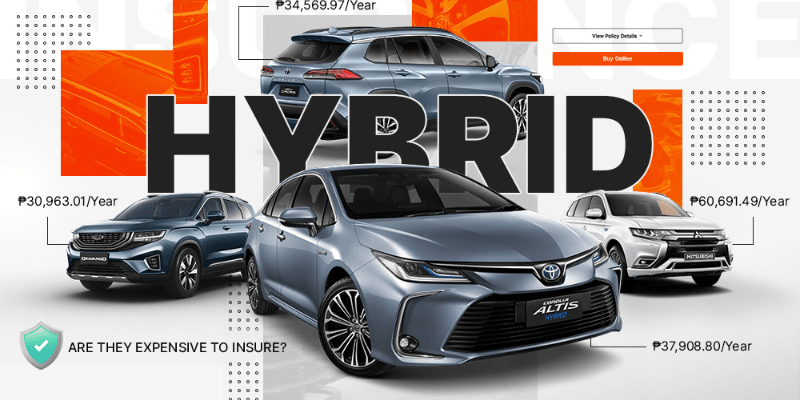
When directly comparing insurance costs, data generally indicates that hybrid vehicles tend to be slightly more expensive to insure than their gasoline-powered counterparts. Several sources suggest that hybrid car insurance can be anywhere from 5% to 11% higher on average. This differential is primarily attributed to the factors discussed: higher purchase price, more expensive specialized parts, and the need for expert repair services.

However, this comparison isn’t always straightforward and can vary significantly based on specific models, geographic location, and individual driver profiles. Some hybrid models may even have lower premiums than their gasoline equivalents due to excellent safety ratings or lower theft rates.

Key Factors Beyond Vehicle Type

While the vehicle itself plays a significant role, numerous personal factors also heavily influence insurance premiums for both hybrid and gasoline cars:

  • Driver’s Age and Driving Record: Younger drivers or those with a history of accidents and traffic violations typically face higher rates. A clean driving record is consistently rewarded with lower premiums.
  • Location: Urban areas with higher crime rates or traffic congestion often incur higher insurance costs.
  • Coverage Levels and Deductibles: Opting for comprehensive coverage and lower deductibles will naturally lead to higher premiums, regardless of the vehicle type. Increasing deductibles can be an effective way to lower premiums.
  • Annual Mileage: Vehicles driven more frequently or for longer distances are perceived as higher risk.

Credit History: In many states, a good credit history can lead to lower insurance rates.

  • Considering these individual variables, it becomes clear that a direct “yes” or “no” answer to are hybrid cars more expensive to insure requires a personalized assessment.

The Role of Reliability and Resale Value

Modern hybrid vehicles have, in many cases, demonstrated excellent reliability. Consumer Reports’ Annual Auto Reliability Survey often shows hybrids as significantly more reliable overall than gasoline-only vehicles, with 26% fewer problems on average. This robust reliability can, over time, positively influence insurance rates as it may lead to fewer claims related to mechanical breakdowns.

Furthermore, hybrids tend to retain their value well due to strong demand and fuel savings, which can also factor into insurance calculations, as the replacement cost for insurers remains higher. However, the long-term cost of replacing a high-voltage battery can be a concern for resale, though many batteries come with extensive warranties (e.g., Toyota offers 10-year/150,000-mile warranties). This balance between proven reliability and potential high-cost component replacement forms part of the ongoing actuarial challenge for insurers.

Strategies to Potentially Lower Your Hybrid Car Insurance Costs
Strategies to Potentially Lower Your Hybrid Car Insurance Costs

Despite the general trend of higher premiums for hybrids, there are several proactive strategies that consumers can employ to mitigate costs and potentially secure more affordable coverage. Understanding these options is essential for any car enthusiast looking to optimize their vehicle ownership expenses. Even if you’re wondering are hybrid cars more expensive to insure, these tips can help balance the equation.

Many insurance providers recognize the benefits of hybrid technology and safe driving practices, offering various incentives and discounts. By carefully evaluating policy options and personal driving habits, hybrid owners can often find significant savings.

Leveraging Discounts and Incentives

Many insurance companies offer specific discounts for hybrid or “green” vehicles, sometimes referred to as “alternative fuel auto discounts.” These can range from 5% to 10% off annual premiums. It is always advisable to inquire about such discounts when obtaining quotes.

Other common discounts that apply to all vehicle types, including hybrids, include:

  • Good Driver/Safe Driver Discounts: Maintaining a clean driving record, free of accidents and violations, is one of the most effective ways to reduce premiums. Some insurers even offer discounts for participating in telematics programs that monitor driving habits.
  • Multi-Policy/Bundling Discounts: Combining auto insurance with other policies like home or renter’s insurance can lead to significant savings.
  • Low Mileage Discounts: If your annual mileage is below a certain threshold, you may qualify for a discount. Hybrid drivers, while often driving more due to fuel efficiency, can still benefit if their usage is below average.
  • Anti-Theft Device Discounts: Most new hybrids come equipped with advanced anti-theft systems, which can lead to further discounts.
  • Paying in Full or Auto-Pay Discounts: Many insurers offer small discounts for paying the annual premium upfront or signing up for automatic payments.

Choosing the Right Coverage and Provider

Comparing quotes. Some insurers may specialize in offering more competitive rates for eco-friendly vehicles or have better claim processing for advanced technology.

When selecting coverage, carefully consider your deductibles and coverage limits. Opting for a higher deductible, the amount you pay out-of-pocket before insurance kicks in, can lower your overall premium. However, ensure that the deductible is an amount you can comfortably afford in an emergency. Similarly, setting appropriate coverage limits can help manage costs, though it is crucial not to under-insure, especially with the higher replacement value of hybrids. Some policies also offer add-ons like extended battery warranties or specialized roadside assistance for hybrid-specific issues, which might be worth considering for peace of mind.

Conclusion

The question, are hybrid cars more expensive to insure, generally yields a “yes,” with premiums typically ranging from 5% to 11% higher than comparable gasoline-powered vehicles. This cost difference is largely driven by the hybrid’s higher purchase price, the expense of specialized components like battery packs, and the need for expert technicians and costly parts for repairs. However, this is not a universal truth, and numerous factors,

Maximizing Your Coverage: Insurance For Cars With Modifications Explained

0

For many automotive enthusiasts, a vehicle is far more than just a means of transportation; it is a canvas for personalization, a testbed for performance enhancement, and a reflection of individual passion., they introduce a complex layer of consideration when it comes to safeguarding your investment: insurance for cars with modifications. Today, let’s join Daily98news as we delve into the intricate relationship between vehicle customization and insurance policies, ensuring you possess the knowledge to protect your prized possession without unwelcome surprises. Understanding these dynamics is paramount for any owner looking to enhance their vehicle while maintaining adequate and valid coverage.

Understanding Car Modifications And Their Scope

Understanding Car Modifications And Their Scope

A car modification is broadly defined as any alteration made to a vehicle that deviates from its original manufacturer’s specifications. This encompasses a vast array of changes, ranging. Whether you’re enhancing performance for track days or simply personalizing aesthetics, every alteration contributes to a unique vehicle that standard insurance models might not adequately cover. It’s crucial for owners to recognize that even small, seemingly innocuous changes can fall under the modification umbrella and necessitate disclosure.

Categories of Modifications

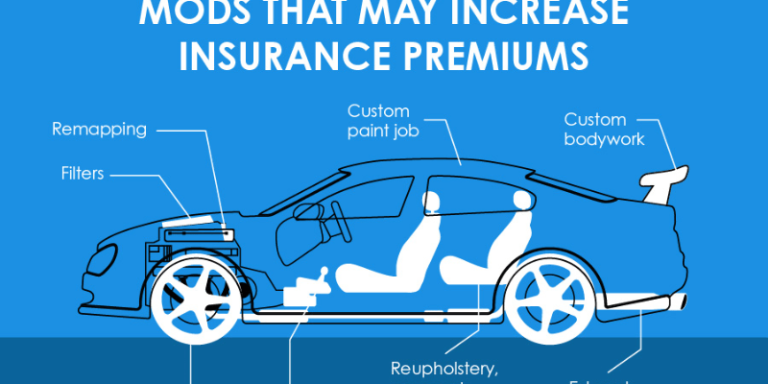
Car modifications typically fall into several key categories, each with its own set of implications for insurance coverage. Recognizing these distinctions is the first step toward securing appropriate protection. Cosmetic modifications, such as custom paint jobs, decals, body kits, and upgraded wheels, alter a vehicle’s appearance. While often perceived as superficial, these can increase the car’s value and make it more attractive to thieves, influencing premiums. Performance modifications, including engine tuning, turbochargers, superchargers, exhaust system upgrades, and suspension changes, are designed to enhance speed, power, or handling. These typically lead to higher premiums due to increased accident risk and repair costs.

Other Noteworthy Modifications

Beyond the primary categories, other types of modifications also demand attention. Interior modifications, such as upgraded sound systems, custom seats, or advanced navigation features, add value and can increase repair or replacement costs in the event of damage or theft. Conversely, safety and security modifications, like advanced braking systems, reinforced frames, parking sensors, dash cams, or GPS tracking devices, can sometimes lead to lower premiums. Insurers may view these enhancements favorably as they reduce the risk of accidents or theft, making the car safer to drive and store. Each modification, regardless of its purpose, contributes to the overall risk assessment conducted by insurance providers.

Why Modifications Impact Your Insurance Premiums

Why Modifications Impact Your Insurance Premiums

The core principle of insurance revolves around risk assessment. When you modify your vehicle, you inevitably alter its original risk profile, which in turn influences your insurance premiums. Insurers analyze various factors, including the likelihood of an accident, the potential cost of repairs or replacement, and the vehicle’s attractiveness to thieves. Any change, as it directly explains why insurance for cars with modifications often differs significantly.
Increased Risk Of Accidents

Performance enhancements are a primary driver of increased premiums. Modifications like engine tuning, adding a turbocharger, or altering the suspension system are designed to boost a car’s speed and handling capabilities. While exhilarating for drivers, these changes often lead insurers to perceive an increased likelihood of aggressive driving and, consequently, a higher risk of accidents. Some modifications, if improperly installed or poorly designed, can even compromise a car’s inherent safety features, making it more prone to incidents. This heightened statistical risk translates directly into higher insurance costs, reflecting the insurer’s need to cover potentially more frequent and severe claims.

Higher Repair And Replacement Costs

Another significant factor is the elevated cost associated with repairing or replacing modified vehicles. Custom parts, specialized labor, and unique materials used in modifications are typically more expensive than standard, factory-issue components. In the event of an accident, these higher costs are passed on to the insurer, who then adjusts premiums accordingly. For instance, a bespoke body kit or a custom-built engine can inflate repair bills substantially, necessitating greater financial protection.

Increased Theft Attraction

Certain modifications, particularly cosmetic ones like custom paint jobs, high-end alloy wheels, or premium stereo systems, can make a vehicle more desirable to thieves. The unique appearance and potentially higher resale value of custom parts can turn a standard car into a target. Insurers account for this elevated theft risk when calculating premiums, as the probability of a claim due to theft increases. This doesn’t mean all aesthetic modifications will dramatically raise costs, but those that enhance a car’s visual appeal or make it easier to strip for valuable aftermarket parts are often viewed with greater caution. The goal of insurance for cars with modifications is to cover the true value of your vehicle, including its unique enhancements.

The Critical Importance Of Declaring Modifications

It cannot be stressed enough: every car modification, no matter how minor it may seem, must be declared to your insurance provider. Failing to do so carries severe repercussions that can leave you financially exposed and even facing legal issues. Insurers require this information to accurately assess risk and provide valid coverage tailored to your vehicle’s current state. This obligation applies whether you made the modifications yourself or purchased a vehicle that was already modified by a previous owner. Transparency with your insurer is not merely a recommendation; it is a fundamental requirement of your policy agreement.

Consequences Of Non-Disclosure

The implications of not disclosing modifications are far-reaching and potentially devastating. One of the most serious consequences is the voidance of your insurance policy. If your insurer discovers undeclared modifications, they can deem your policy invalid, meaning you’ve effectively been driving uninsured. This is not only illegal but also leaves you entirely responsible for all costs arising, having a policy voided for non-disclosure can make it significantly harder and more expensive to obtain insurance for cars with modifications in the future, as you will be flagged in national insurance databases as a higher risk. Legal penalties for driving uninsured can include hefty fines, points on your license, or even vehicle impoundment. The Financial Ombudsman Service has reported numerous cases where drivers faced substantial financial losses due to undeclared modifications, highlighting the very real and severe nature of these consequences. It is simply not worth the gamble; honesty ensures your protection.

Navigating Insurance Options For Your Modified Vehicle

Navigating Insurance Options For Your Modified Vehicle

Insuring a modified vehicle requires a more specialized approach than a standard factory model. Not all insurance providers offer the same level of coverage or even accept heavily modified cars. This necessitates proactive research and clear communication with potential insurers to find a policy that genuinely covers your investment. The goal is to ensure that in the event of damage, theft, or a total loss, your policy accurately reflects the true value of your vehicle, including all its custom parts and enhancements. This due diligence is crucial for peace of mind when owning a personalized car.

Specialist Insurers And Policies

Many standard insurance policies do not adequately cover the added value of modifications, often only reimbursing for the market value of the car without considering custom parts. This is where specialist insurers become invaluable. These companies often cater specifically to owners of modified, custom, or classic vehicles, understanding the unique risks and valuation complexities involved. They are equipped to offer tailored coverage options that a general insurer might not, providing the comprehensive protection needed for your unique vehicle. When seeking insurance for cars with modifications, starting with providers known for their expertise in this niche can save considerable time and ensure appropriate coverage.

Custom Parts And Equipment (CPE) Coverage

For those with less extensive modifications, or if your current insurer offers it, a Custom Parts and Equipment (CPE) endorsement can be added to a standard auto policy. This supplemental coverage provides additional protection for aftermarket components and custom features up to a specified limit, typically after your comprehensive and collision deductibles. It’s designed to bridge the gap between a standard policy’s coverage and the true value of your custom parts. However, it’s important to understand the maximum coverage limits offered by CPE endorsements, as they may not be sufficient for highly valuable or extensively modified vehicles.

Agreed Value Policies

The “agreed value” policy is often considered the gold standard for insuring modified, classic, or high-value vehicles. Unlike actual cash value (ACV) policies, which account for depreciation, an agreed value policy means you and your insurer agree on a specific, fixed value for your vehicle at the start of the policy term. In the event of a total loss or theft, the insurer pays out this agreed-upon amount, ensuring you are reimbursed for the true worth of your car and its modifications, without any surprises or depreciation adjustments. This type of policy often requires professional appraisals and detailed documentation of all modifications, including receipts and photographs, to establish the vehicle’s value.

Strategies To Manage Modified Car Insurance Costs

While it’s true that modifications often lead to higher insurance premiums, there are proactive steps you can take to mitigate these costs without compromising on adequate coverage. Thoughtful planning and understanding how insurers assess risk can help you find more affordable insurance for cars with modifications. The goal is to demonstrate to your insurer that despite the enhancements, you are a responsible owner who minimizes risk wherever possible. This involves a combination of smart modification choices and strategic policy management.

Choose Modifications Wisely

Not all modifications impact insurance rates equally. Some changes are viewed as higher risk, while others can be neutral or even beneficial. Performance upgrades tend to increase premiums significantly due to increased accident risk. Cosmetic changes may also raise costs if they increase the vehicle’s value or attractiveness to thieves. Conversely, modifications that enhance safety and security, such as anti-theft devices, upgraded brakes, parking sensors, or GPS tracking systems, can sometimes lead to discounts. Prioritize modifications that align with your needs while considering their impact on your premiums. For example, if your car already has multiple modifications, upgrading the suspension to improve drivability could potentially lead to reduced premiums.

Maintain A Pristine Driving Record And Shop Around

One of the most effective ways to keep insurance costs down, regardless of modifications, is to maintain a clean driving record. A history free of accidents and traffic violations signals to insurers that you are a lower-risk driver. Additionally, never settle for the first quote you receive. Shopping around and comparing quotes.

Other Cost-Saving Tips

Several other strategies can help lower your premiums. Increasing your deductible, the amount you pay out-of-pocket before insurance coverage kicks in, can reduce your monthly premiums, but ensure you can comfortably afford the deductible in case of a claim. Bundling multiple insurance policies, such as home and auto, with the same provider often results in discounts. If your modified car is a secondary vehicle or used infrequently, opting for limited mileage coverage can also lead to lower rates. Finally, joining a recognized car owner’s club can sometimes qualify you for special discounts, as insurers may view club members as more responsible and engaged enthusiasts.

Real-World Scenarios And Expert Advice

Navigating the world of car modifications and their insurance implications can be daunting, but practical examples and expert recommendations can illuminate the path. Many drivers unknowingly fall into common pitfalls that lead to denied claims or invalidated policies. Understanding these scenarios and adopting best practices is crucial for protecting your investment. Daily98news aims to equip you with the insights necessary to make informed decisions throughout your vehicle ownership journey, ensuring your passion for customization doesn’t come at an unforeseen cost.

Common Pitfalls And How To Avoid Them

One frequent issue arises when individuals purchase a pre-modified vehicle without fully understanding or disclosing its alterations. As the Financial Ombudsman Service has highlighted, a customer faced a claim denial because their car had modifications made by a previous owner that they didn’t know about or declare. It’s imperative to thoroughly inspect any used vehicle for modifications and explicitly declare them to your insurer, even if you weren’t the one who installed them. Another pitfall is assuming minor changes don’t need reporting. Even seemingly small aesthetic additions like decals or specific wheel upgrades must be declared, as they can still influence risk assessments related to value and theft.

A common mistake involves engine control unit (ECU) remapping or exhaust system changes. These performance-enhancing modifications are often overlooked for disclosure, but they can significantly alter a vehicle’s performance characteristics and risk profile. Cases exist where policies were voided after an accident when undeclared ECU remaps or exhaust retuning were discovered. To avoid such scenarios, maintain a detailed record of all modifications, including receipts for parts and labor, and photographs. This documentation is invaluable during the insurance application and claims process, helping to prove the value and legitimacy of your modifications.

Practical Examples Of Operating And Maintenance Costs

Beyond initial insurance premiums, modified cars can also incur higher operating and maintenance costs. Performance modifications, for instance, often demand higher-octane fuel and more frequent, specialized maintenance to ensure optimal function and reliability. Upgraded suspension components might require specific alignment procedures or more expensive replacement parts. For electric vehicles, aftermarket battery modifications, if they exist, could void manufacturer warranties and create complex charging or thermal management challenges, potentially leading to increased long-term ownership costs and greater difficulty in obtaining insurance for cars with modifications. Always factor in these ongoing expenses when planning your modifications.

Before making any changes, it is always wise to contact your insurance provider. They can advise you on how a specific modification might affect your coverage and costs, helping you make an informed decision. Being proactive and transparent with your insurer is the best way to stay financially protected and avoid unexpected surprises on the road. Engaging with a specialized appraiser who understands the nuances of modified cars can also assist in achieving a fair assessment of your vehicle’s worth, particularly for agreed value policies.

Conclusion

Understanding the complexities of insurance for cars with modifications is non-negotiable for any enthusiast embarking on a customization journey. As we’ve explored, modifications, whether performance-oriented, cosmetic, or even safety-focused, fundamentally alter a vehicle’s risk profile, impacting everything

Finding The Cheapest Used Cars To Insure And Own

0

Today, let’s join Daily98news to find out that navigating the used car market can be a complex endeavor, especially when you factor in the often-overlooked cost of insurance. Many prospective buyers focus solely on the sticker price, forgetting that the true financial burden of vehicle ownership extends far beyond the initial purchase. Insurance premiums can vary wildly depending on the vehicle’s make, model, age, safety features, and even its perceived theft risk. This deep dive aims to equip you with the knowledge to identify the cheapest used cars to insure, providing a comprehensive guide rooted in engineering data and market analysis. By understanding the underlying factors that influence insurance costs, you can make a truly informed decision, ensuring your next vehicle purchase aligns not only with your driving needs but also with your long-term financial health.

Understanding car insurance costs

Understanding car insurance costs

Car insurance is a fundamental aspect of vehicle ownership, legally mandated in most regions, and designed to protect both the driver and others in the event of an accident or other covered incidents. However, the cost of this protection is far, high-performance vehicles, particularly those appealing to younger demographics, typically face higher rates due to their increased accident risk and higher repair costs for specialized components.

The average cost of car insurance in the United States, for example, can fluctuate significantly, often ranging from approximately $1,500 to over $2,500 annually for full coverage, though these figures are highly dependent on individual circumstances and location. A single driver in a rural area with a clean record will inevitably pay less than a young driver in an urban environment with a recent claim. Understanding this baseline is crucial, as it sets the stage for appreciating how specific vehicle choices can dramatically alter your personal financial outlay. When seeking the cheapest used cars to insure, the objective is to find vehicles that statistically represent a lower risk to insurance providers, translating directly into more affordable premiums for the owner. This involves a careful balance of practical considerations, engineering attributes, and market perception.

Factors influencing insurance premiums

The seemingly arbitrary nature of insurance premiums can be demystified by examining the core factors that influence these costs. Insurers are in the business of risk assessment, and every aspect of a vehicle,. Understanding these elements is paramount for anyone looking to identify the cheapest used cars to insure. It’s not just about the car itself; it’s about how the car interacts with a broader statistical landscape of accidents, repairs, and theft.

Vehicle safety ratings and features

One of the most significant determinants of insurance cost is a vehicle’s safety profile. Cars that perform well in crash tests and are equipped with advanced safety features tend to be chea. Organizations like the National Highway Traffic Safety Administration (NHTSA) in the United States and the European New Car Assessment Programme (Euro NCAP) provide comprehensive safety ratings based on rigorous testing. Vehicles earning top ratings, such as a 5-star overall rating from NHTSA or a “Top Safety Pick+” award from the Insurance Institute for Highway Safety (IIHS), often indicate a lower risk of occupant injury in a collision. This directly translates to lower potential medical payouts for insurers. Features like Electronic Stability Control (ESC), anti-lock brakes (ABS), multiple airbags, and increasingly, Advanced Driver-Assistance Systems such as automatic emergency braking (AEB) and lane-keeping assist, all contribute to a car’s safety score and can lead to reduced premiums. These technologies actively prevent accidents or mitigate their severity, making the vehicle less of a liability.

Repair costs and parts availability

The cost and availability of replacement parts are critical considerations for insurers. Vehicles with expensive or difficult-to-source parts will inevitably lead to higher repair bills after an accident, which in turn drives up insurance premiums. Luxury cars, sports cars, and vehicles, mass-market vehicles. This economic reality is a major factor in why certain models consistently rank among the cheapest used cars to insure. Furthermore, the complexity of a vehicle’s construction also plays a role; vehicles with integrated unibody designs that are expensive to straighten after a major impact may also see higher premiums.

Theft rates and vandalism risk

Insurance companies also analyze the theft rates and vandalism risk associated with specific car models. If a particular model is frequently stolen or targeted by vandals, its insurance premiums will be higher. This is a purely statistical calculation based on historical data. Vehicles that are less desirable to thieves, perhaps due to their ubiquity, lower resale value for parts, or effective anti-theft systems, will generally have lower comprehensive insurance rates. For instance, older, less flashy sedans are typically less attractive to professional car thieves than high-end SUVs or popular performance vehicles. The presence of factory-installed immobilizers, alarm systems, and vehicle tracking devices can also positively influence this aspect of the premium calculation, as they deter theft and aid in recovery. Understanding which models are less prone to theft is an important aspect when considering the cheapest used cars to insure.

Top picks: Cheapest used cars to insure

Top picks: Cheapest used cars to insure

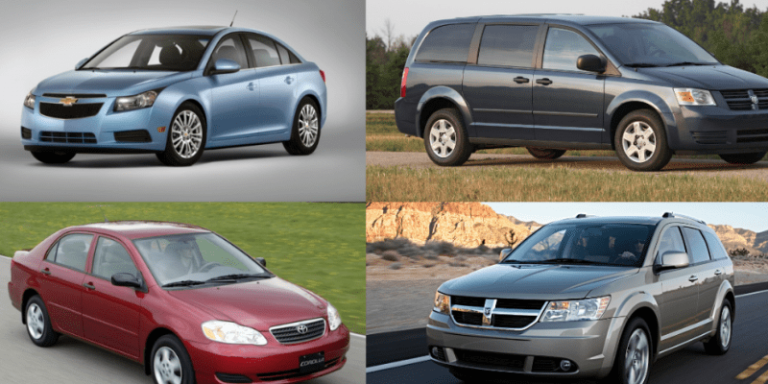
When the goal is to minimize insurance costs, certain vehicle categories and specific models consistently emerge as favorable options. These cars typically share characteristics such as solid safety records, affordable repair costs, and a lower statistical risk profile. Below, Daily98news will compile a list of models that frequently appear on lists of the cheapest used cars to insure, providing a starting point for your research. It’s important to remember that exact premiums will vary based on your personal driving record, location, and chosen coverage, but these vehicles offer a strong foundation for lower rates.

Compact sedans and hatchbacks

Compact sedans and hatchbacks are perennial favorites for affordable insurance. Their smaller engines often mean lower performance, which statistically reduces the likelihood of high-speed accidents. Moreover, their widespread popularity ensures a plentiful supply of parts and a competitive repair market.

  • Honda Civic: The Honda Civic has long been praised for its reliability, fuel efficiency, and strong safety ratings across many generations. Its widespread appeal also means parts are readily available and often affordable. Its reputation for sensible driving habits among its owners also contributes to lower insurance premiums.
  • Toyota Corolla: Similar to the Civic, the Toyota Corolla is synonymous with dependability and affordability. It consistently earns high marks for safety and has a low incidence of claims for both collision and comprehensive coverage. Its non-sporty image typically deters aggressive driving, which further helps keep insurance costs down.
  • Subaru Impreza: While often associated with all-wheel drive, which can sometimes increase costs, the Subaru Impreza often maintains competitive insurance rates, especially for its non-WRX variants. Its strong safety performance, particularly in IIHS testing, and robust build quality contribute to this.
  • Mazda 3: The Mazda 3 offers a slightly more engaging driving experience than some rivals but generally maintains a good safety record and reasonable repair costs, making it another strong contender for affordable insurance.

Mid-size sedans

Moving slightly up in size, mid-size sedans also frequently offer good insurance value, especially for those seeking a bit more space and comfort without significantly escalating costs.

  • Toyota Camry: The Toyota Camry is another household name known for its bulletproof reliability and strong resale value. Its excellent safety record and low theft rates contribute to its status as one of the cheapest used cars to insure in the mid-size segment. Many generations of the Camry have proven to be durable and economical to maintain.
  • Honda Accord: The Honda Accord, much like its smaller sibling the Civic, boasts a reputation for reliability, safety, and widespread parts availability. It consistently receives high safety ratings and is not typically associated with high-risk driving behaviors, thus leading to lower insurance premiums.
  • Ford Fusion: The Ford Fusion, particularly older models, can be an excellent value in the used market. It generally has good safety ratings and, being a domestic mass-market vehicle, benefits.

Small SUVs and crossovers

For those needing more utility and ground clearance, smaller SUVs and crossovers can also offer competitive insurance rates, though they might be slightly higher than compact sedans due to their higher purchase price and potentially higher repair costs for certain components.

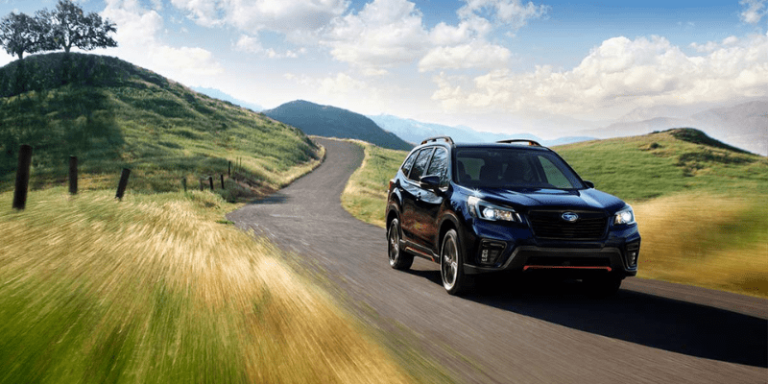
  • Subaru Forester: The Subaru Forester is often lauded for its robust safety features and strong performance in crash tests. Its family-friendly image and conservative driving demographic help keep insurance rates reasonable, even with its standard all-wheel drive.
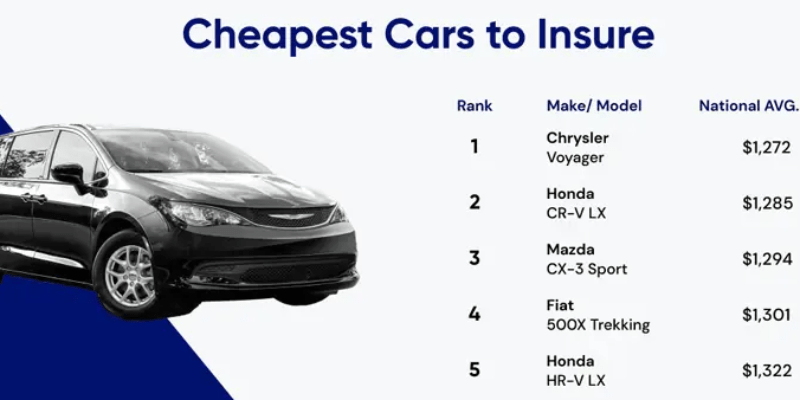
  • Honda HR-V: As a smaller crossover based on the Honda Fit platform, the HR-V benefits from many of the same cost-saving attributes as Honda’s sedans, including reliability and generally lower repair costs. Its relatively modest power output also contributes to a lower risk profile.

Beyond the premium: total cost of ownership

Beyond the premium: total cost of ownership

While focusing on the cheapest used cars to insure is a smart strategy, it’s crucial to adopt a broader perspective and consider the Total Cost of Ownership (TCO). The initial insurance premium is just one piece of the financial puzzle. A vehicle that is cheap to insure but expensive to maintain or frequently breaks down might end up costing you more in the long run. As an automotive engineer and market analyst, Daily98news emphasizes that a truly economical vehicle strikes a balance across all ownership costs.

Maintenance and repair costs

The reliability of a used car is paramount. Even if a car is cheap to insure, consistent breakdowns or expensive routine maintenance can quickly erode any savings. Brands like Toyota and Honda consistently rank high in reliability studies, a luxury car might require specialized fluids or dealer-only service, escalating costs dramatically compared to a mass-market vehicle that can be serviced at any reputable independent mechanic. Before purchasing, research common issues for the specific model and year, and factor in the average cost of routine services like oil changes, tire rotations, and brake replacements.

Fuel efficiency

Fuel consumption is another substantial component of TCO, especially with fluctuating gas prices. Even a small difference in miles per gallon (MPG) can add up to hundreds or thousands of dollars over the lifetime of a vehicle. When evaluating cheapest used cars to insure, also consider models known for their fuel efficiency. Hybrid powertrains, even in used vehicles, can offer significant savings at the pump, though their initial purchase price might be slightly higher. For internal combustion engine (ICE) vehicles, smaller, naturally aspirated engines tend to be more fuel-efficient than larger, turbocharged counterparts. Real-world fuel economy often differs.

Depreciation

Depreciation is often the single largest cost of vehicle ownership, though it’s not a direct out-of-pocket expense like fuel or insurance. It represents the loss of value over time. While used cars have already undergone their steepest depreciation curve, some models hold their value better than others. Vehicles. Choosing a model that maintains its value well means you’ll recoup more of your investment when it’s time to sell, effectively reducing your overall cost of ownership. This long-term financial consideration, coupled with the initial hunt for the cheapest used cars to insure, leads to a truly economical decision.

Tips for lowering your insurance rates

Even after selecting one of the cheapest used cars to insure, there are additional strategies you can employ to further reduce your premiums. These tips leverage various aspects of driver behavior, policy choices, and vehicle security.

Increase your deductible

One of the most straightforward ways to lower your monthly or annual premium is to increase your deductible. The deductible is the amount you agree to pay out-of-pocket before your insurance coverage kicks in for a claim. By opting for a higher deductible, you assume more financial risk in the event of an accident, and insurers reward this by lowering your premium. However, it’s crucial to choose a deductible you can comfortably afford to pay should a claim arise.

Bundle policies and inquire about discounts

Most insurance providers offer discounts for bundling multiple policies, such as car insurance with home or renter’s insurance. Always inquire about all available discounts. Common discounts include those for good students, safe drivers (no accidents or tickets for a certain period), low mileage, anti-theft devices, multi-car households, and even for paying your premium in full. Some insurers also offer telematics programs that monitor your driving habits and can provide discounts for safe driving.

Improve your credit score

In many states, insurance companies use credit scores as a factor in determining premiums, as studies have shown a correlation between creditworthiness and the likelihood of filing a claim. Maintaining a good credit score can therefore lead to lower insurance rates. Regularly check your credit report for errors and make efforts to improve your score by paying bills on time and managing debt responsibly.

Consider telematics programs

Many insurance companies now offer telematics programs, where a device is plugged into your car’s diagnostic port or an app is used to monitor your driving habits. This data typically includes mileage, speed, braking, and time of day driven. Safe drivers who participate in these programs can often earn significant discounts on their premiums, as the insurer gains a clearer, real-time picture of their individual risk profile rather than relying solely on generalized statistics.

Conclusion

Finding the cheapest used cars to insure is a crucial step towards long-term financial prudence in vehicle ownership. Daily98news has explored how factors such as safety ratings, repair costs, and theft rates directly impact your premiums, guiding you towards models that consistently offer lower insurance burdens. By carefully selecting a vehicle that balances these attributes with overall reliability and fuel efficiency, you can significantly reduce your Total Cost of Ownership. We encourage you to utilize these insights, combine them with thorough research on specific models, and leverage available discounts to secure the best possible insurance rates. Making an informed decision not only saves you money but also enhances your confidence and safety on the road.

Finding Affordable Cars With Cheap Insurance For Young Drivers

0

In today’s dynamic automotive landscape, the journey to vehicle ownership for young drivers is often met with the significant hurdle of insurance costs. While the thrill of a new car is undeniable, the recurring expense of insurance can quickly tem, data-driven insights necessary to navigate such complex decisions. In this comprehensive guide, Daily98news will accompany you to explore the critical factors influencing insurance rates for young drivers and present a carefully curated selection of cars with cheap insurance for young drivers, ensuring you make an informed choice that aligns with your budget and needs.

Understanding Insurance Costs For Young Drivers

Understanding Insurance Costs For Young Drivers

Car insurance premiums are not arbitrary; they are meticulously calculated based on a multitude of risk factors that insurers assess to predict the likelihood and potential cost of a claim. For young drivers, specifically those aged 25 and under, these factors often translate into higher rates. The primary reason for this is statistical: younger drivers, particularly teenagers and those in their early twenties, have less driving experience and are statistically more prone to accidents than their older, more seasoned counterparts. This elevated risk profile is a foundational element in premium calculations. Furthermore, a lack of a substantial driving history means insurers have less data to gauge an individual’s specific risk, often leading to a conservative, higher initial rate. Factors such as geographical location, chosen coverage limits, and deductible amounts also play significant roles. For example, living in an urban area with higher traffic density and theft rates will typically result in higher premiums than residing in a rural locale. Opting for comprehensive coverage with lower deductibles, while offering greater protection, will invariably increase the cost.

Factors influencing insurance premiums

Several key variables directly impact the cost of car insurance for young drivers. Understanding these elements can empower you to make smarter choices. Age and driving experience are paramount, with rates generally decreasing as a driver gains more years behind the wheel without incidents. Your driving record is another critical component; even minor infractions like speeding tickets or a single at-fault accident can significantly inflate premiums for several years. The type of vehicle you choose plays an enormous role, extending beyond just the make and model. Insurers evaluate a car based on its safety ratings, repair costs, likelihood of theft, and even its horsepower-to-weight ratio. A vehicle with excellent safety features, low repair expenses, and a less powerful engine typically correlates with lower insurance costs. Credit history, while not directly related to driving ability, is also considered by many insurers as an indicator of financial responsibility, affecting rates in some states. Finally, the specific coverage options selected—liability, collision, comprehensive, uninsured motorist—directly dictate the final premium, with higher coverage limits and lower deductibles leading to increased costs.

How vehicle choice impacts rates

The car a young driver chooses is arguably the most controllable factor in determining insurance costs. Insurers meticulously evaluate a vehicle’s characteristics to determine its risk profile. Cars with high safety ratings from organizations like the National Highway Traffic Safety Administration (NHTSA) and the Insurance Institute for Highway Safety (IIHS) often qualify for lower premiums because they are designed to protect occupants, reducing the likelihood and severity of injury claims. Vehicles that are statistically less likely to be stolen, often due to advanced anti-theft systems or their general market appeal (or lack thereof), also benefit, and high-performance models typically come with substantially higher insurance rates due to their higher purchase price, expensive parts, increased theft risk, and greater potential for high-speed accidents. Therefore, selecting a practical, safe, and easily maintainable vehicle is a cornerstone strategy for finding cars with cheap insurance for young drivers.

Top Car Segments For Affordable Insurance

Top Car Segments For Affordable Insurance

When searching for cars with cheap insurance for young drivers, focusing on specific vehicle segments can significantly narrow down your options to those that are historically more affordable to insure. These segments typically share common characteristics that appeal to insurance providers, such as smaller engine displacements, lower overall market values, and widespread availability of parts. Understanding which categories offer the best prospects can streamline the car-buying process and lead to substantial savings on annual premiums. Often, these vehicles also boast excellent fuel economy and lower maintenance costs, contributing to a more manageable total cost of ownership.

Subcompact and compact sedans

Subcompact and compact sedans consistently rank among the most affordable vehicles to insure, making them ideal choices for young drivers. Their smaller engines, typically ranging.

Small SUVs and crossovers

While traditionally SUVs were associated with higher insurance costs, the emergence of the small SUV and crossover segment has changed this perception. Many compact crossovers are built on car platforms, sharing similar engineering and powertrain components with their sedan counterparts, making them quite comparable in terms of insurance risk. These vehicles offer a compelling blend of practicality, elevated driving position, and often robust safety features, all without the high performance or luxury price tags that drive up insurance. Their growing popularity also means competitive pricing for parts and repairs. For young drivers who need more cargo space or prefer the versatility of an SUV without incurring hefty premiums, a small crossover can be an excellent middle ground, often providing a practical solution for those seeking cars with cheap insurance for young drivers.

Specific Model Recommendations

Identifying particular models known for their low insurance costs can be incredibly helpful for young drivers navigating the market. Based on broad market trends, safety data, reliability statistics, and typical repair costs, several vehicles consistently emerge as strong contenders for affordable premiums. Daily98news has compiled a list of exemplary models that generally represent good value in terms of insurance affordability, while also offering reliable transportation and solid safety features.

  • Honda Civic: The Honda Civic is a perennial favorite for many reasons, including its strong reliability record, excellent fuel economy, and widespread availability of parts. Its solid safety ratings across multiple generations also contribute to lower insurance premiums. Available in sedan and hatchback forms, it offers a practical and dependable package.
  • Toyota Corolla: Similar to the Civic, the Toyota Corolla is renowned for its bulletproof reliability and conservative styling, which often translates to a lower theft risk. It consistently earns high marks for safety and boasts some of the lowest long-term ownership costs in its class, making it a smart choice for young drivers and their parents.
  • Subaru Impreza: The Subaru Impreza stands out due to its standard symmetrical all-wheel-drive system, which many insurers see as a safety advantage, especially in adverse weather conditions. Its high safety ratings and reputation for durability also contribute to its lower insurance profile compared to many competitors.
  • Mazda 3: The Mazda 3 offers a slightly more engaging driving experience while still maintaining excellent safety credentials and competitive insurance rates. It combines stylish design with efficient engines and a well-built interior, providing a compelling blend of fun and affordability.
  • Hyundai Elantra: Hyundai has made significant strides in quality and safety, and the Elantra is a prime example. It offers a strong warranty, competitive features, and impressive fuel efficiency, all while typically maintaining lower insurance costs due to its good safety performance and reasonable repair expenses.

Kia Forte: The Kia Forte, a sibling to the Elantra, also delivers on value and affordability. With strong safety ratings, a comprehensive warranty, and efficient powertrains, it presents another attractive option for young drivers seeking to keep their insurance premiums in check.

  • When considering these models, it is always wise to obtain specific insurance quotes for your individual circumstances, as rates can vary based on your location, driving history, and chosen coverage. These recommendations, however, provide a strong starting point in your search for cars with cheap insurance for young drivers.

Leveraging Safety And Reliability Data

Leveraging Safety And Reliability Data

For an automotive engineer and market analyst, safety and reliability data are paramount in evaluating a vehicle’s true value, particularly when considering insurance costs. These metrics not only reflect the integrity of a vehicle’s design but also directly influence how insurers perceive risk. High safety ratings from independent organizations signify a car’s ability to protect occupants in a crash, leading to fewer injury claims and thus lower premiums. Similarly, robust reliability statistics indicate fewer breakdowns and mechanical failures, which reduces the likelihood of roadside assistance claims or expensive repairs that could impact future premiums.

Understanding safety ratings

Safety ratings. The NHTSA’s 5-Star Safety Ratings Program assesses vehicles for frontal crash, side crash, and rollover resistance, providing consumers with an easy-to-understand star rating. A higher star rating generally indicates superior occupant protection. The IIHS, on the other hand, conducts more rigorous and varied tests, including moderate overlap frontal, small overlap frontal, side, roof strength, and head restraint evaluations. Their “Top Safety Pick” and “Top Safety Pick+” awards are highly coveted and signify exceptional performance across a broad spectrum of crash scenarios, often including advanced driver-assistance systems performance. Cars that consistently achieve high scores and awards, prioritizing vehicles with strong safety credentials is a foundational strategy when looking for cars with cheap insurance for young drivers.

Reliability and maintenance considerations

Beyond initial purchase price and insurance premiums, the long-term cost of ownership for any vehicle hinges significantly on its reliability and maintenance demands. Data. Power and Consumer Reports offers invaluable insights into a vehicle’s expected dependability. J.D. Power’s various studies, such as the Vehicle Dependability Study (VDS) and Initial Quality Study (IQS), track problems experienced by owners over time, providing a comprehensive view of long-term reliability. Consumer Reports leverages extensive member surveys to compile detailed reliability ratings across various model years and components, often highlighting common trouble spots.

A car with a proven track record of reliability will generally incur fewer unexpected repair costs, reducing the financial burden on a young driver. This predictability is also attractive to insurers, as it suggests a well-engineered vehicle less prone to issues that could lead to claims. Furthermore, vehicles with simpler, more conventional engineering often have lower parts costs and labor rates for routine maintenance and repairs compared to those with complex, proprietary systems. For instance, a common compact sedan with a naturally aspirated engine will typically be less expensive to service than a turbocharged luxury vehicle with advanced air suspension. Daily98news emphasizes that these operational costs, while not directly part of the insurance premium, form a crucial part of the total cost of ownership (TCO) calculation, making highly reliable and easily maintainable vehicles a sound financial decision for any budget-conscious buyer.

Strategies To Further Reduce Insurance Premiums

Even after selecting one of the many cars with cheap insurance for young drivers, there are additional proactive steps young motorists can take to further lower their annual premiums. Insurance companies often offer a variety of discounts and programs designed to incentivize safer driving habits or reward certain demographics. Understanding and utilizing these options can lead to significant savings over the long term, making vehicle ownership more accessible and affordable. Implementing a combination of these strategies can often yield the most substantial reductions in insurance costs.

Driver-focused discounts and programs

Insurance providers frequently offer discounts tailored to young drivers who demonstrate responsible behavior or meet specific academic criteria. One of the most common is the “good student discount,” typically available to students who maintain a certain GPA (e.g., B average or 3.0). This discount acknowledges that academically successful students are often perceived as more responsible, thus lower risk drivers. Completing a defensive driving course or an approved driver education program can also qualify young drivers for reduced rates, as these courses enhance driving skills and awareness. Some insurers offer “low mileage discounts” for drivers who do not drive frequently, acknowledging their reduced exposure to risk on the road.

Furthermore, telematics programs, also known as “usage-based insurance,” are increasingly popular. These programs involve installing a device in the car or using a smartphone app to monitor driving habits such as speed, braking, acceleration, and time of day driven. Safe driving scores generated.

Vehicle modifications and coverage choices

While modifying a vehicle can sometimes increase insurance costs, certain additions can actually lead to discounts. Installing approved anti-theft devices, such as car alarms, immobilizers, or tracking systems, often results in a discount on comprehensive coverage, as these systems deter theft and aid in vehicle recovery. Some insurers also offer discounts for vehicles equipped with certain advanced safety features like automatic emergency braking, lane departure warning, or adaptive cruise control, recognizing their potential to prevent accidents.

When it comes to coverage choices, young drivers, often with lower-value vehicles, might consider adjusting their comprehensive and collision deductibles. Opting for a higher deductible (e.g., $1,000 instead of $500) will lower the premium, though it means paying more out-of-pocket in the event of a claim. It’s crucial to strike a balance between affordability and financial risk, ensuring the deductible is an amount you can comfortably afford. Additionally, regularly reviewing your policy with your insurance agent and comparing quotes from multiple providers can ensure you’re always getting the best possible rate for your coverage needs.

Conclusion

Navigating the complexities of car insurance as a young driver can be a daunting task, but with the right knowledge and strategic choices, securing affordable coverage is entirely achievable. The journey to finding cars with cheap insurance for young drivers begins with an understanding of how premiums are calculated, placing emphasis on vehicle characteristics like safety ratings, reliability, and repair costs. By prioritizing subcompact and compact sedans, or sensible small SUVs and crossovers, young drivers can inherently select vehicles that insurers view as lower risk. Models such as the Honda Civic, Toyota Corolla, and Subaru Impreza consistently demonstrate qualities that lead to more manageable insurance rates, offering a blend of safety, dependability, and value.

Beyond vehicle selection, proactive measures like maintaining a clean driving record, pursuing academic excellence for good student discounts, enrolling in defensive driving courses, and exploring telematics programs can yield substantial savings. Furthermore, choosing appropriate coverage limits and deductibles, along with installing approved anti-theft devices, can further reduce financial outlays. At Daily98news, our objective is to empower you with the data and insights needed to make confident, informed decisions. By applying these principles, young drivers can not only find a reliable and safe vehicle but also unlock significant savings on insurance, making the dream of car ownership a sustainable reality. We encourage you to utilize this guide as a starting point, obtain multiple insurance quotes, and tailor your choices to your specific needs, ensuring a smart and economical path forward on the road.

Car Insurance For Modified Cars Essential Guide

0

In this article, Daily98news will accompany you to explore the often complex, yet crucial, world of car insurance for modified cars. For many automotive enthusiasts, customizing a vehicle is an integral part of the ownership experience, transforming a factory-spec model into a unique expression of personal style and performance., these alterations fundamentally change a vehicle’s risk profile, which in turn significantly impacts its insurance requirements and costs. Understanding the nuances of insuring a modified vehicle is not just about protecting your investment; it’s about ensuring legal compliance and peace of mind on the road.

Understanding vehicle modifications and insurance implications

Understanding vehicle modifications and insurance implications

Vehicle modifications encompass any changes made to a car that deviate. Insurers view modified cars differently because these changes can affect a vehicle’s value, performance, and overall risk of accident or theft. For instance, performance enhancements might increase the likelihood of high-speed incidents, while expensive aesthetic upgrades can make a car a more attractive target for thieves. Furthermore, custom parts often cost more to repair or replace, contributing to higher potential claim payouts.

It is absolutely vital to declare all modifications to your insurance provider, no matter how minor they may seem. Failure to disclose modifications can lead to severe consequences, including the refusal of a claim, partial coverage, or even the invalidation of your entire policy, leaving you personally liable for damages in the event of an accident. Insurers need accurate information to assess the risk appropriately and provide adequate coverage. Transparency ensures that your policy remains valid and that your investment, including the modifications, is properly protected.

Types of modifications and their impact on insurance

The spectrum of car modifications is broad, and each type can influence your car insurance for modified cars premiums in different ways. Understanding these categories helps anticipate potential insurance adjustments. Generally, modifications fall into performance, aesthetic, functional, and safety-enhancing categories, each posing unique considerations for insurers. Insurers assess the quality of parts, installation, and how changes affect vehicle safety and reliability.

Performance enhancements

Modifications designed to boost a car’s power, speed, or handling capabilities often lead to higher insurance premiums. Components such as turbochargers, superchargers, engine remapping, or upgraded exhaust systems significantly alter the vehicle’s original performance characteristics. While these upgrades may enhance the driving experience, insurers often associate them with an increased risk of accidents due to higher speeds and potentially more aggressive driving behavior. Similarly, suspension changes that lower or lift the car, or advanced braking systems, while improving safety and handling, can also increase insurance costs due to enhanced performance and value.

Aesthetic and cosmetic changes

Custom paint jobs, body kits, spoilers, custom wheels, and specialized lighting systems are popular aesthetic modifications that personalize a vehicle’s appearance. These changes can increase the car’s market value and attractiveness, but they also tend to raise insurance premiums. The primary reasons are increased theft risk, as visually striking vehicles often draw more attention.

Functional and safety modifications

Functional modifications, such as upgraded sound systems, advanced navigation, parking sensors, or dashcams, primarily enhance usability or convenience. While some of these, like parking sensors or dashcams, might be viewed positively for their safety benefits, others like high-end sound systems can increase the vehicle’s overall value and theft risk, potentially leading to higher premiums. Conversely, certain safety improvements, such as approved alarm systems, GPS tracking devices, or even upgraded brakes that demonstrably improve stopping power, can sometimes lead to reduced insurance costs by mitigating theft or accident risk. However, even these must be declared, as some cutting-edge safety technologies might be expensive to repair, counteracting potential discounts.

Factors influencing premiums for modified cars

Factors influencing premiums for modified cars

Several intertwined factors determine the cost of car insurance for modified cars. Beyond the type and extent of modifications, insurers consider a holistic risk profile for the vehicle and its owner. This comprehensive evaluation ensures that the premium accurately reflects the potential costs associated with insuring a non-standard vehicle. Understanding these contributing elements can empower you to make informed decisions about your modifications and coverage.

One significant factor is the increased perceived risk associated with modified vehicles. Insurers often view altered cars as having a higher probability of being involved in accidents or being stolen. This perception stems. The quality and safety of aftermarket parts also come into play; insurers cannot guarantee the integrity or proper installation of non-factory components, introducing an element of unknown risk.

Furthermore, the higher repair or replacement costs for custom parts play a crucial role in premium calculations. Unlike standard vehicles where OEM (Original Equipment Manufacturer) parts are readily available, modified cars often require specialized, more expensive aftermarket components or custom fabrication, driving up the potential cost of claims. The vehicle’s overall value, including the added worth of modifications, directly influences the premium, as does the owner’s driving history and claims record. Even geographical location and secure parking arrangements can affect rates, as they impact theft risk.

Navigating insurance policies for modified vehicles

Securing appropriate car insurance for modified cars requires a proactive approach and a thorough understanding of policy options. Standard auto insurance policies are typically designed for factory-spec vehicles and may not adequately cover the added value or specific risks associated with modifications. This is why exploring specialized coverage or endorsements is essential to protect your investment fully.

The cornerstone of insuring a modified vehicle is transparency with your insurer. You must declare all modifications when you first apply for coverage or when you make changes to your vehicle during your policy term. Failing to do so can lead to policy invalidation or denied claims. Many standard insurers offer supplemental coverage, often called “Custom Parts and Equipment” (CPE) coverage, which can be added as an endorsement to an existing policy. This coverage typically protects aftermarket components and custom features up to a specified limit. However, there might be caps on coverage, and it usually requires you to have comprehensive and collision coverage already in place.

For extensively modified or high-value custom vehicles, specialized insurance providers often offer policies specifically tailored to these unique cars. These specialty policies frequently include “Agreed Value Coverage,” where the insurer and owner formally agree on the vehicle’s value, including all modifications, upfront. This ensures that in the event of a total loss, you receive the full predetermined amount without depreciation, a critical benefit often missing.

Tips for insuring your modified vehicle

Tips for insuring your modified vehicle

Effectively insuring your modified car involves more than just selecting a policy; it requires strategic planning and meticulous documentation. To navigate the world of car insurance for modified cars successfully, a proactive and organized approach is key. These tips can help you secure comprehensive coverage while potentially managing costs.

Firstly, always shop around and compare quotes, specialist insurers often provide more comprehensive and cost-effective solutions for heavily customized vehicles. Companies specializing in classic, collector, or performance cars are typically more accustomed to the nuances of modifications and their true value. It is advisable to engage with an insurance agent who has expertise in modified vehicles to guide you through the process and ensure all modifications are properly accounted for.

Secondly, maintain thorough documentation of all your modifications. Keep detailed records, including receipts for all parts and labor, photographs of the modifications at various stages, and any professional appraisals of your vehicle’s value. This documentation is invaluable for substantiating the cost and quality of your upgrades, especially in the event of a claim, and can significantly aid in achieving a fair settlement. Some insurers may even require inspection reports to assess the quality and safety of the modifications.

Finally, consider the long-term implications of your modifications on both insurance and resale value. While some modifications, particularly those that enhance safety or are factory-approved, might not drastically increase premiums or could even offer discounts, others can significantly detract from a car’s universal appeal and make it harder to sell. Opting for reversible modifications or high-quality OEM+ upgrades can help preserve resale value and potentially make your vehicle more insurable. Discussing potential modifications with your insurer before undertaking them can help you understand the impact on your policy and premiums.

Making a claim with a modified car

Making an insurance claim for a modified car introduces several unique complexities that can make the process more challenging than with a standard vehicle. Pro, leading to significant out-of-pocket expenses.

The primary hurdle in a modified car claim often revolves around valuation. Standard insurance policies typically settle claims based on the Actual Cash Value (ACV) of the vehicle, which considers depreciation. However, ACV often falls short in accurately reflecting the true value of a modified car, as it rarely accounts for the investment in custom parts and labor. This is where “Agreed Value” policies. Insurers may also send their own adjusters or require inspections to assess the vehicle’s condition and the impact of the modifications. It is paramount that you have declared all modifications to avoid claim rejection or policy invalidation. Working with adjusters who have experience with modified vehicles, often found through specialist insurers, can lead to a smoother and more equitable claims experience.

Conclusion

Navigating the landscape of car insurance for modified cars demands careful consideration and an informed approach. Customizing your vehicle is a deeply personal and rewarding endeavor, but it’s crucial to understand that every alteration impacts its risk profile and, consequently, its insurance requirements. As Daily98news has explored, transparency with your insurer, understanding the various types of modifications and their effects, and diligently documenting your upgrades are fundamental steps to ensure your prized possession is adequately protected. Whether opting for supplemental endorsements or specialized agreed-value policies, securing the right coverage is paramount to safeguarding your investment against unforeseen circumstances. Don’t let your passion for customization lead to financial vulnerability; ensure your unique ride is covered appropriately. For further in-depth analyses of automotive technology and market trends, stay tuned to Daily98news.

Auto Insurance For Exotic Cars A Comprehensive Guide

0

For the discerning automotive enthusiast, the allure of an exotic car is undeniable a symphony of engineering prowess, breathtaking design, and unparalleled performance. These machines are more than just transportation; they are statements, investments, and passions. However, owning such a masterpiece comes with unique responsibilities, not least among them securing the right protection. In this article, Daily98news will accompany you to explore the intricate world of auto insurance for exotic cars, providing a comprehensive guide to understanding its nuances, navigating its complexities, and ensuring your prized possession is adequately safeguarded.

Understanding exotic car classification and value

Understanding exotic car classification and value

Defining an “exotic car” for insurance purposes extends beyond mere luxury. While both categories boast high-end features and significant price tags, exotic vehicles are often distinguished by their extreme performance capabilities, limited production numbers, specialized components, and potential for appreciation rather than depreciation over time. Manufacturers like Lamborghini, Ferrari, McLaren, and Bugatti are synonymous with the exotic designation. Insurance companies typically classify these vehicles based on several key characteristics, including their make, model, horsepower, engine size, number of cylinders, and weight. This unique combination of attributes positions exotic cars in a higher risk category for insurers.

The valuation of an exotic car is a critical factor in its insurance. Unlike standard vehicles that depreciate, well-maintained exotic cars, particularly limited editions, can often maintain or even increase in value over the years. This necessitates specialized valuation methods beyond the typical “actual cash value” (ACV) used for conventional cars. Agreed value policies are paramount here, where the insurer and owner mutually establish the car’s worth at the policy’s inception. In the event of a total loss, the agreed-upon amount is paid out, removing concerns about depreciation affecting the claim. This contrasts sharply with standard policies, which account for depreciation and may leave a significant gap between payout and replacement cost.

The unique risks and challenges for exotic car owners

Owning an exotic car inherently introduces a distinct set of risks that elevate insurance premiums compared to standard vehicles. Their high value makes them prime targets for theft and vandalism, necessitating advanced security measures and often influencing where they can be stored. The advanced performance capabilities of exotic cars, with their immense horsepower and high-speed potential, are statistically linked to a greater likelihood of accidents. Insurers often consider these vehicles, and by extension their drivers, to embody a higher behavioral risk due to the temptation to explore the car’s limits.

Beyond the increased accident and theft risks, the cost of repairs for exotic vehicles presents a significant challenge. These cars frequently require specialized, rare, or even custom-made components, which can be prohibitively expensive and difficult to source. Repairs often demand highly skilled technicians working in authorized or manufacturer-specific repair shops, further escalating labor costs. The limited availability of parts and the specialized nature of repairs mean that even minor damage can result in tens of thousands of dollars in expenses. These factors combine to create a substantial financial liability for insurance providers, which is directly reflected in the higher premiums for auto insurance for exotic cars.

Essential coverage components for exotic vehicles

Essential coverage components for exotic vehicles

When it comes to insuring an exotic car, standard full-coverage policies are often insufficient to provide adequate protection. Owners must seek out specialized coverage options designed to address the unique characteristics and risks associated with these high-value assets. A comprehensive auto insurance for exotic cars policy typically integrates several key components to ensure peace of mind.

Agreed value coverage

As previously mentioned, agreed value coverage is arguably the most crucial component for exotic cars. This policy feature ensures that the car’s value is predetermined and agreed upon by both the owner and the insurer at the start of the policy term. Should the vehicle be declared a total loss due to an accident, fire, or theft, the owner receives the full agreed-upon amount, protecting against market depreciation and ensuring the investment is fully covered. This is particularly vital for exotic cars that may appreciate in value over time.

Comprehensive and collision coverage

These foundational coverages are amplified for exotic vehicles. Collision coverage handles damage to your car resulting, robust collision coverage is non-negotiable. Comprehensive coverage, on the other hand, protects against non-collision damages, such as theft, vandalism, fire, natural disasters, or falling objects. Since exotic cars are high-value targets for theft, comprehensive coverage provides essential financial security against such risks.

Enhanced liability protection

While all states require a minimum level of liability insurance, exotic car owners often carry significantly higher liability limits. This coverage protects you financially if you are at fault in an accident, covering bodily injury to others and damage to their property. Due to the substantial personal assets often associated with exotic car owners, higher liability limits, sometimes reaching $500,000 or $1 million, are chosen to safeguard their net worth.

Additional specialized coverages

Beyond the core components, several specialized coverages can be added to an auto insurance for exotic cars policy. These might include coverage for show events, towing of a specialized nature, spare parts, and trip interruption. Some policies even offer diminished value coverage, which accounts for the reduction in a vehicle’s market value even after high-quality repairs following an accident. For those who track their exotic cars, specific track day coverage can also be a vital consideration, as standard policies often exclude damage incurred during competitive or high-performance driving events.

Factors influencing exotic car insurance premiums

The cost of auto insurance for exotic cars is significantly higher than for standard vehicles, influenced by a multitude of factors related to both the vehicle and the driver. Understanding these elements can help owners anticipate costs and make informed decisions. Insurance companies meticulously assess risk, and exotic cars present several elevated risk profiles.

One primary factor is the vehicle’s inherent value and performance capabilities. High-performance engines and advanced technology increase the potential for costly accidents and high repair bills. The specific make, model, and year of the car play a crucial role, as some exotics are more expensive to repair or replace than others. Rarity and the limited availability of parts also drive up potential repair and replacement costs, directly impacting premiums.

The driver’s profile is another critical determinant. A clean driving record, free of accidents or violations, is paramount for securing favorable rates. Young drivers often face higher premiums due to perceived inexperience, regardless of the vehicle type. Additionally, factors such as the driver’s age, location, and annual mileage all contribute to the overall premium. For instance, exotic cars driven less frequently, often termed “garage gems,” may qualify for lower premiums compared to those used for daily driving. Secure storage, such as a locked garage, is also often a requirement and can positively influence rates. Insurers also consider the vehicle’s security features, offering discounts for advanced anti-theft systems like GPS tracking or alarms.

Navigating the specialized insurance market

Navigating the specialized insurance market

Securing the right auto insurance for exotic cars requires navigating a specialized market that differs considerably. Many mainstream insurance providers may not offer comprehensive coverage for ultra-high-value vehicles, or their policies may come with significant limitations and higher costs. This is where specialized insurers shine, as they possess a dee.

Specialized insurance companies often cater exclusively to the high-net-worth individual, understanding that exotic car ownership is often a lifestyle choice and an investment. These providers are better equipped to offer “agreed value” policies, which are crucial for protecting the true value of appreciating assets. They also often provide more flexible mileage plans, recognizing that many exotic cars are not daily drivers but rather weekend vehicles or show cars. Some well-known names in this niche market include Hagerty, Grundy Insurance, and PURE Insurance, among others. These companies are often “car lovers themselves,” with knowledgeable agents who appreciate the nuances of maintaining and insuring prized collector vehicles. When searching for coverage, working with an independent insurance agent who specializes in high-value vehicles can be highly beneficial, as they can compare rates and policies.

Strategies for reducing your exotic car insurance costs

While auto insurance for exotic cars is inherently more expensive, several strategies can help mitigate these costs without sacrificing essential coverage. Owners who proactively manage these factors can often find more favorable premiums.

One effective strategy is to opt for a higher deductible. Your deductible is the amount you pay out of pocket before your insurance coverage kicks in. By choosing a higher deductible, you assume more initial risk, and insurers typically reward this with lower monthly or annual premiums. However, it is crucial to ensure you have sufficient savings to comfortably cover the higher deductible in the event of a claim.

Maintaining an impeccable driving record is perhaps the most significant long-term strategy for reducing insurance costs. A history free of accidents and traffic violations demonstrates responsible driving behavior, which insurers view favorably, leading to lower rates. Some insurers even offer safe driver discounts or usage-based discounts through telematics devices that monitor driving habits. Furthermore, completing advanced driving courses, especially those focused on defensive driving or high-performance handling, can sometimes qualify you for special premium credits and showcases a commitment to safety.

Bundling your insurance policies, such as combining your exotic car insurance with home or umbrella insurance, with the same provider can often result in multi-policy discounts. Improving vehicle security is another practical step; installing advanced anti-theft devices, GPS trackers, and ensuring secure garaged storage can lead to reduced premiums. Finally, carefully considering the annual mileage can also impact costs. If your exotic car is not a daily driver, inquiring about low-mileage discounts or pay-per-mile insurance options could lead to substantial savings. Regularly reviewing your policy with your insurer or an independent agent is essential to ensure you are not paying for unnecessary add-ons and are maximizing all available discounts.

Conclusion

Navigating the world of auto insurance for exotic cars is a critical step for any discerning owner, ensuring the comprehensive protection of these remarkable vehicles. By understanding the unique classification and valuation methods, recognizing the inherent risks, and selecting specialized coverage components like agreed value policies, you can safeguard your investment against unforeseen circumstances. The market for exotic car insurance demands a nuanced approach, often requiring engagement with specialized insurers who truly appreciate the value and specific needs of high-performance automobiles. At Daily98news, we emphasize the importance of making informed decisions, proactively managing factors that influence premiums, and meticulously reviewing your policy to ensure optimal coverage and cost-effectiveness. Take the time to secure the right protection; it is an investment in peace of mind, allowing you to fully enjoy the unparalleled experience of exotic car ownership without undue financial concern.

Unlocking Value: Cheap Cars With Cheap Insurance

0

Navigating the automotive market to find a vehicle that perfectly balances initial affordability with long-term cost-effectiveness can be a complex endeavor. Many prospective buyers focus primarily on the purchase price, often overlooking other significant expenses, particularly insurance premiums. For car enthusiasts with basic technical knowledge, understanding the intricate relationship between a vehicle’s engineering, its market positioning, and its insurance profile is paramount. Today, Daily98news will accompany you to explore how to identify cheap cars with cheap insurance, ensuring your next purchase is a financially intelligent decision that aligns with your personal needs and budget, rather than being swayed by mere advertising. We aim to equip you with objective data and practical insights to make an informed choice.

Deciphering automotive insurance premiums

Deciphering automotive insurance premiums

Automotive insurance premiums are not determined by a single factor; rather, they are a complex calculation based on a multitude of variables. As an automotive engineer, it is clear that these factors extend beyond simple aesthetics or brand loyalty, delving deep into statistical risk assessments. Understanding these underlying mechanisms is crucial for any discerning buyer looking for cheap cars with cheap insurance. Insurers analyze everything from the driver’s profile to the specific attributes of the vehicle itself, creating a comprehensive risk profile that dictates the annual premium.

Driver-specific variables

Your personal driving history and demographic information play a substantial role in determining your insurance costs. Young drivers, typically those under 25, often face higher premiums due to their limited driving experience and statistically higher accident rates. Conversely, drivers in the 30-55 age bracket, often seen as more responsible and experienced, tend to benefit. Where you reside also significantly impacts your premium; urban areas with high population density, heavy traffic, and elevated crime rates generally incur higher insurance costs compared to smaller towns or rural locales, where the risk of accidents, theft, and vandalism is lower. Moreover, a clean driving record, free.

Vehicle characteristics and design

Beyond the driver, the vehicle itself is a primary determinant of insurance cost. Insurers scrutinize a car’s make, model, and engine capacity. Small hatchbacks and sedans with smaller petrol engines are generally cheaper to insure than high-performance sports cars or luxury vehicles, primarily because they are less expensive to repair or replace, and often have lower theft rates. The vehicle’s safety features, such as the presence of airbags, anti-lock brakes, and electronic stability control, can significantly reduce the risk of severe injury or accident, thus potentially lowering premiums. The cost and availability of replacement parts, as well as the average repair costs for a specific model, are also vital considerations. Cars with readily available and inexpensive parts, common among mass-market models, tend to be more affordable to insure.

Top vehicle contenders for low insurance costs

Top vehicle contenders for low insurance costs

When searching for cheap cars with cheap insurance, certain models consistently rise to the top of reliability and affordability lists. These vehicles often combine solid engineering, widespread availability of parts, and favorable safety ratings, making them attractive to both buyers and insurance providers. Daily98news highlights some of these perennial favorites across different vehicle segments, drawing on real-world data and expert analysis to guide your selection.

Sedans and hatchbacks

Compact and subcompact sedans and hatchbacks frequently lead the pack for low insurance rates. Models like the Toyota Corolla and Honda Civic have a long-standing reputation for reliability, fuel efficiency, and widespread availability of parts, contributing to lower repair costs. The Nissan Sentra and Hyundai Elantra also present strong cases, offering good value and generally affordable premiums. These vehicles are less likely to be stolen compared to high-end models, and their repair complexity is typically lower, which directly translates to reduced insurance risk. Their modest horsepower figures also contribute to a perception of lower risk for insurers.

Crossovers and SUVs

In the ever-popular crossover and SUV segment, several models stand out for their manageable insurance costs. The Subaru Outback, Subaru Crosstrek, and Subaru Forester consistently rank among the cheapest SUVs to insure, largely attributed to their strong safety ratings and the brand’s reputation for building durable vehicles. Honda’s CR-V and Pilot, along with the Toyota RAV4, Ford Escape, and Mazda CX-5, also frequently appear on lists of vehicles with budget-friendly insurance. These models strike a balance between utility, safety, and repairability, making them a sensible choice for those seeking the versatility of an SUV without incurring exorbitant insurance expenses. Their robust construction and comprehensive safety suites contribute to fewer and less severe claims.

Trucks and minivans

For those requiring more utility, certain trucks and minivans also offer surprisingly low insurance rates. The Ford F-150, GMC Sierra 1500, and Chevrolet Silverado 1500, particularly in their base trims, are often cited as being more affordable to insure than many might expect, especially considering their size and capabilities. This is often due to their widespread use as work vehicles and their generally robust construction, which can mitigate damage in certain types of collisions. Similarly, minivans like the Honda Odyssey often feature on lists of low-insurance vehicles, benefiting from their family-oriented design, comprehensive safety features, and the typically cautious driving habits of their owners.

Beyond purchase price: understanding total cost of ownership (TCO)

Beyond purchase price: understanding total cost of ownership (TCO)

The true cost of owning a vehicle extends far beyond its initial sticker price. As an automotive analyst, Daily98news emphasizes the critical importance of evaluating the Total Cost of Ownership (TCO) when searching for cheap cars with cheap insurance. TCO encompasses all expenses incurred throughout the vehicle’s lifespan, including depreciation, fuel, maintenance, repairs, taxes, and, critically, insurance. A car that appears inexpensive upfront might prove costly over time due to high running costs or rapid depreciation.

Fuel efficiency and maintenance

Fuel efficiency is a significant component of TCO, especially with fluctuating fuel prices. Vehicles with smaller, more efficient engines, or hybrid and electric powertrains, will naturally incur lower fuel costs over their lifetime. When considering electric vehicles like the Nissan Leaf, the absence of fuel costs is a major advantage, though the upfront cost and battery replacement considerations must be weighed. Maintenance and repair costs are another substantial factor. Reliable cars with proven powertrains and readily available, inexpensive parts will lead to lower routine servicing and unexpected repair expenses. Brands like Toyota and Honda are renowned for their low long-term maintenance costs and durability, a reputation that extends to models such as the Corolla, Civic, and RAV4. Less complex mechanical systems often translate to fewer potential points of failure and more affordable fixes.

Depreciation and reliability

Depreciation, the loss of a vehicle’s value over time, is often the single largest cost of car ownership. Models known for holding their value well will have a lower depreciation cost over their ownership period. Reliability directly influences depreciation; a car with a strong reputation for durability and fewer mechanical issues will generally retain its value better. J.D. Power and Consumer Reports consistently highlight brands like Toyota, Honda, and Subaru for their exceptional reliability, which directly translates into lower depreciation and a more favorable TCO. Investing in a reliable vehicle, making it a smarter long-term investment, even if the initial purchase price is slightly higher than less dependable alternatives.

Leveraging safety features for lower premiums

Modern automotive technology has introduced a plethora of safety features designed to prevent accidents and mitigate injury, and these advancements can directly influence your insurance premiums. Insurers view vehicles equipped with advanced safety systems as lower risk, often offering discounts as an incentive. Daily98news underscores the importance of understanding which safety features offer the most tangible benefits for reducing your insurance costs.

Standard features such as airbags, anti-lock braking systems (ABS), and electronic stability control (ESC) are foundational elements that insurance companies consider when assessing risk. Beyond these, Advanced Driver Assistance Systems have emerged as powerful tools for accident prevention. Features like forward collision warning, automatic emergency braking, lane departure warning, lane keeping assist, and blind spot monitoring actively assist the driver in avoiding hazardous situations. Rearview cameras and adaptive cruise control also contribute to a safer driving experience, reducing the likelihood of minor collisions and fender benders. While some advanced features can increase repair costs if they are damaged in an accident due to their complexity, the overall reduction in claim frequency and severity often outweighs this potential drawback, resulting in net savings on premiums. Choosing a vehicle with a comprehensive suite of these technologies is a proactive step toward securing more affordable insurance.

Strategic advice for securing affordable insurance

Finding cheap cars with cheap insurance is only part of the equation; proactively managing your insurance policy can also lead to significant savings. As market analysts, Daily98news provides strategic advice to help you navigate the insurance landscape effectively, ensuring you get the best possible rates for your chosen vehicle.

First, always shop around and compare quotes. A higher deductible means you pay more out-of-pocket in the event of a claim, but it nearly always results in a lower monthly or annual premium. Ensure you have adequate savings to cover this higher deductible should an incident occur. Third, inquire about available discounts. Many insurers offer discounts for good driving records, bundling policies (auto and home), military affiliation, certain professions, or even for installing anti-theft devices. Telematics programs, which monitor your driving habits, can also offer discounts for safe drivers. Finally, review your coverage regularly. As your car ages, its market value decreases, and you might be able to reduce or remove certain coverages like collision or comprehensive, especially if the cost of the premium outweighs the potential payout for an older vehicle.

Final thoughts

In conclusion, identifying cheap cars with cheap insurance requires a holistic approach, moving beyond superficial appeal to a deep understanding of engineering, reliability, and market dynamics. By prioritizing models with strong safety records, proven reliability, and affordable parts, and by actively managing your insurance policy, you can make a purchase that offers true long-term value. Daily98news hopes this detailed analysis empowers you to confidently choose a vehicle that not only fits your budget but also provides peace of mind on the road, knowing you’ve made a decision based on objective data and expert insights.

Navigating the Road to Affordable Coverage: Top Cars With Low Insurance Cost

0

In today’s automotive landscape, the cost of car ownership extends far beyond the sticker price. For many drivers, especially those aged 25-45 who are discerning car enthusiasts and prospective buyers, understanding the total cost of ownership (TCO) is paramount. This includes factoring in elements like fuel efficiency, maintenance, and, crucially, insurance premiums. At Daily98news, we understand that securing cars with low insurance cost is a significant concern, impacting your budget and overall satisfaction. In this article, Daily98news will accompany you to explore the intricate relationship between vehicle characteristics, market dynamics, and insurance rates, providing you with objective data analysis to make informed purchase decisions. We’ll delve into the engineering and market trends that influence these costs, highlight specific models known for their affordability in insurance, and offer actionable strategies to keep your premiums down.

Understanding Car Insurance Premiums: The Engineering and Market Dynamics

Understanding Car Insurance Premiums: The Engineering and Market Dynamics

Car insurance premiums are not arbitrary figures; they are meticulously calculated based on a complex interplay of factors related to the vehicle itself, the driver, and broader market conditions. As automotive engineers and market analysts, we recognize that these factors range. Understanding these elements is the first step in identifying cars with low insurance cost.

Key factors influencing your insurance rates

Several critical variables determine the cost of your car insurance. Your personal driving record, including any traffic violations or past claims, is a significant predictor of future risk for insurers. Location also plays a substantial role; urban areas with higher population density, increased traffic, and elevated crime rates generally incur higher premiums due to a greater likelihood of accidents and theft. Furthermore, demographic factors such as age and credit history can influence rates, with younger drivers often facing higher costs due to limited experience. The level of coverage and deductible amounts you select also directly impact your premium, with comprehensive policies naturally costing more than basic liability.

How vehicle design impacts premiums

The vehicle you choose has a direct and profound impact on your insurance costs. Insurers assess a car’s make, model, year, and trim level based on various risk factors. For instance, luxury cars and high-performance sports cars typically command higher premiums because they are more expensive to repair or replace, and they may also be more attractive to thieves. Vehicles with common, readily available parts are generally less expensive to insure, as their repair costs are lower following an accident. Conversely, cars with specialized or proprietary components can lead to higher repair bills, which translate into increased insurance rates. The likelihood of theft is another key consideration, with popular models often targeted by thieves due to high demand for their parts.

Top Picks for Cars With Low Insurance Cost

Top Picks for Cars With Low Insurance Cost

Selecting a vehicle renowned for its insurance affordability can lead to substantial long-term savings. Based on recent data, making them ideal choices for drivers seeking cars with low insurance cost.

Compact SUVs leading the charge

Compact SUVs frequently top the lists for lowest insurance rates due to their balanced attributes. These vehicles often combine high safety ratings, practical utility, and moderate MSRPs, which collectively reduce the risk burden for insurers. For example, the Subaru Outback, Subaru Forester, and Honda CR-V are consistently highlighted as some of the cheapest vehicles to insure. The Subaru Outback and Forester are particularly noted for their strong safety features and reliability, contributing to their favorable insurance standing. The Honda CR-V also stands out as a consistent leader in affordable insurance for compact SUVs, with average full coverage ranging from approximately $1,100 to $1,300. The Mazda CX-5 is another strong contender, often cited for its low average annual insurance cost. These SUVs provide ample space and utility without the elevated risk profiles often associated with larger luxury SUVs or high-performance vehicles, translating into tangible savings for policyholders.

Sedans offering budget-friendly coverage

While SUVs often dominate the conversation for low insurance costs, several sedans continue to offer excellent value. These typically include compact and midsize models known for their reliability, widespread availability of parts, and solid safety performance. The Honda Civic, Toyota Camry, and Toyota Prius consistently feature on lists of sedans with lower insurance rates. The Toyota Corolla is also a popular compact car, although its high theft rates in some areas and increasing repair costs due to advanced safety features can sometimes lead to higher-than-expected insurance premiums. Conversely, models like the Hyundai Elantra and Nissan Sentra, while budget-friendly in purchase price, can sometimes have insurance costs that are slightly above average, influenced by factors such as repair expenses for advanced technology and perceived theft risk. When considering a sedan, focusing on models with established safety records and lower-cost repair histories is crucial for minimizing insurance expenses.

Other reliable options

Beyond compact SUVs and specific sedans, other vehicle categories can also offer competitive insurance rates. Pickup trucks like the Toyota Tacoma, Ford F-150, and Chevrolet Silverado 1500 are often listed among the cheapest to insure within their segment, largely due to their robust construction and relatively predictable repair costs. Minivans, such as the Honda Odyssey, are also known for their lower insurance premiums, attributable to their family-oriented design which often implies safer driving profiles and reduced accident severity risk. The key across these diverse vehicle types is often a combination of strong safety ratings, widespread parts availability, and a history of fewer and less costly insurance claims, factors that consistently make them attractive choices for drivers prioritizing cars with low insurance cost.

The Role of Advanced Driver Assistance Systems and Safety Ratings

Modern automotive technology, particularly Advanced Driver Assistance Systems and comprehensive safety ratings.

ADAS: A double-edged sword for insurance

Advanced Driver Assistance Systems encompass a range of technologies, including automatic emergency braking (AEB), lane-keeping assist, adaptive cruise control, and blind-spot monitoring. These systems are undeniably effective at reducing the frequency and severity of accidents. Studies have shown that ADAS can decrease crash risk by as much as 50 percent, which should theoretically lead to lower insurance claims and, consequently, lower premiums for drivers. Many insurers do offer discounts for vehicles equipped with comprehensive ADAS packages.

However, the sophisticated nature of ADAS components also presents a challenge. These systems rely on expensive sensors, cameras, and intricate software, often located in vulnerable areas of the vehicle, such as bumpers and windshields. In the event of even a minor collision, repairing or recalibrating these components can be significantly more costly than repairing traditional vehicle parts. For example, a minor front-end collision on an ADAS-equipped vehicle can add an average of $1,540 in repair costs, and windshield replacements can be three times higher due to sensor recalibration. Insurers must balance the reduced risk of accidents with the potential for higher repair costs when determining premiums, leading to a complex scenario where advanced safety features may not always guarantee the lowest insurance rates.

Safety ratings and their direct impact

Independent safety ratings are a crucial metric insurers consider when calculating premiums. Organizations like the National Highway Traffic Safety Administration (NHTSA) and the Insurance Institute for Highway Safety (IIHS) conduct rigorous crash tests and evaluate vehicle safety features. A car earning a “Top Safety Pick” or “Top Safety Pick+” award, or a 5-star overall rating, several models commonly found on lists of cars with low insurance cost, such as the Honda CR-V, Subaru Outback, and Toyota RAV4, consistently achieve high safety ratings. The 2024 Honda CR-V, for example, received an overall 5-star crash-test rating.

Reliability and Repairability: Long-Term Savings Beyond the Premium

Reliability and Repairability: Long-Term Savings Beyond the Premium

Beyond the initial insurance premium, the long-term cost of vehicle ownership is significantly influenced by a car’s reliability and ease of repair. These factors directly impact how often you’ll file claims and the potential cost of those claims, thereby shaping your overall insurance profile and future rates. Choosing cars with low insurance cost often means selecting models known for their enduring quality and straightforward maintenance.

J.D. Power and Consumer Reports insights

Reliability statistics. Power and Consumer Reports offer invaluable insights into a vehicle’s long-term dependability. The J.D. Power U.S. Vehicle Dependability Study, for example, measures problems experienced by original owners of three-year-old vehicles. In the 2024 study, Lexus ranked highest overall in vehicle dependability, with Toyota leading the mass-market segment. Models such as the Toyota Camry, Toyota Corolla, and Honda CR-V have consistently demonstrated strong reliability scores, which signals to insurers a lower likelihood of mechanical breakdowns or costly components failing.

Vehicles with fewer reported problems translate to fewer claims related to mechanical issues, thereby lowering the risk assessment for insurers. While the 2024 study noted a general decline in overall vehicle dependability across the industry, largely attributed to issues during the COVID-19 pandemic production, brands like Toyota continue to perform well. Consumer Reports also provides extensive reliability data, often correlating highly with J.D. Power findings, further underscoring that dependable vehicles typically lead to fewer unexpected repair costs and, consequently, more stable insurance rates.

The cost of parts and labor

The inherent design and engineering of a vehicle directly influence its repairability and the cost of parts, which are critical considerations for insurance companies. Cars constructed with widely available, standardized, and easily replaceable parts tend to have lower repair costs following an accident. This is because common parts are less expensive to manufacture and procure, reducing both material and labor expenses. For instance, the Nissan Sentra is noted for its affordable repair costs, often less than $500. Vehicles known for their straightforward design and parts commonality across a manufacturer’s lineup often translate into lower comprehensive and collision coverage premiums. This is a practical example of how engineering decisions directly influence the operational and maintenance costs that ultimately determine if a car qualifies as one of the cars with low insurance cost.

Strategies for Drivers to Further Reduce Insurance Expenses

While selecting cars with low insurance cost is a primary strategy, drivers can employ several additional methods to significantly reduce their annual insurance premiums. These strategies often involve personal habits, policy choices, and leveraging available discounts, further enhancing the financial benefits of owning an insurance-friendly vehicle.

Personal factors and policy choices

Your driving history is perhaps the most influential personal factor. A clean driving record, free of traffic violations, accidents, and claims, signals lower risk to insurers and can result in substantial savings. Maintaining a good credit score can also positively impact your insurance rates in many states, as insurers often correlate creditworthiness with responsible behavior.

When it comes to policy choices, opting for higher deductibles on collision and comprehensive coverage can lower your monthly premiums, though it means you’ll pay more out-of-pocket if a claim arises. Bundling your auto insurance with other policies, such as home or renter’s insurance, often qualifies you for multi-policy discounts. Furthermore, considering usage-based insurance programs, which monitor your driving habits (e.g., mileage, braking, acceleration), can provide discounts for safe drivers. Regularly comparing quotes.

Practical tips for car owners

Beyond policy adjustments, practical actions can lead to ongoing savings. Installing anti-theft devices, especially on models that are frequent targets for thieves like some popular sedans, can earn you discounts and reduce the likelihood of a comprehensive claim. Parking your vehicle in a garage rather than on the street can also be seen favorably by insurers. For older vehicles, reassessing your coverage needs is wise; as a car depreciates, the cost of full collision and comprehensive coverage might outweigh its potential payout, making it more economical to switch to liability-only.

Finally, staying informed about your car’s maintenance schedule and addressing any recalls promptly can prevent issues that might lead to costly repairs and subsequent insurance claims. By combining a strategic vehicle choice with responsible driving habits and smart policy management, you can effectively minimize the true cost of car ownership.

Conclusion

Finding cars with low insurance cost is a critical component of smart vehicle ownership, directly influencing your financial well-being over the life of the car. As we’ve explored, the vehicles that consistently offer lower insurance premiums are typically those with strong safety ratings, proven reliability, and reasonable repair costs. Models like the Subaru Outback, Honda CR-V, and Toyota RAV4 often lead the way, demonstrating that practicality and affordability can go hand-in-hand. While Advanced Driver Assistance Systems enhance safety, their complex repair costs necessitate a balanced consideration. By understanding the factors influencing premiums—from vehicle design to personal driving habits—and employing proactive strategies, you can make informed decisions that align with both your automotive passion and your budget. Daily98news encourages you to leverage this detailed analysis, compare quotes, and drive home with confidence, knowing you’ve made a choice that offers both performance and peace of mind.

Unpacking The Most Expensive Cars To Insure

0

For any car enthusiast eyeing their next prized possession, the initial excitement of horsepower figures, torque curves, and cutting-edge technology often overshadows a crucial, recurring expense: insurance. While the dream car might be within reach financially for the purchase, the ongoing cost of premiums can quickly turn an aspiration into a significant burden. In this article, Daily98news will accompany you to explore the complex world of automotive insurance, specifically delving into the most expensive cars to insure and the underlying reasons behind their steep rates. Understanding these factors is paramount for making an informed decision that balances passion with practicality, ensuring your vehicular enjoyment isn’t constantly accompanied by a hefty bill. We will dissect the elements that drive up insurance costs,, equipping you with the knowledge to navigate this often-overlooked aspect of car ownership.

Why Some Cars Are More Expensive to Insure

Why Some Cars Are More Expensive to Insure

The cost of insuring a vehicle is not arbitrary; it’s a calculated risk assessment by insurance providers. Several fundamental engineering and market dynamics contribute to certain models consistently falling into the category of the most expensive cars to insure. These factors are rooted in the vehicle’s inherent design, its market positioning, and the statistical likelihood of it being involved in costly incidents.

Vehicle value and repair costs

At its core, insurance is about protecting an asset. Luxury and high-performance vehicles, by their very nature, carry a significantly higher purchase price than standard models. This elevated value directly translates into higher insurance premiums because the potential payout for repair or replacement in the event of an accident or theft is substantially greater. Beyond the initial sticker price, these cars often utilize specialized, high-tech components and exotic materials, such as carbon fiber or advanced alloys. These parts are not mass-produced and frequently require specialized labor and tools for repair, driving up the cost of even minor damage. For instance, a sophisticated sensor array in an advanced driver-assistance system on a premium vehicle can cost thousands to replace and recalibrate, compared to a simpler bum.

Performance and accident risk

Powerful engines, agile handling, and rapid acceleration are hallmarks of many desirable vehicles, yet these attributes also signal higher risk to insurers. Sports cars, in particular, are built for speed and performance, which statistically correlates with a higher likelihood of speeding incidents and, consequently, more severe accidents. The ability to reach high speeds quickly means that when an accident does occur, the resulting damage to the vehicle and potential injuries to occupants and third parties can be more extensive. This heightened risk of collision damage and greater potential for severe liability claims directly contributes to higher insurance rates for these high-performance machines.

Theft rates and desirability

Unfortunately, the allure of luxury and high-performance cars extends beyond legitimate buyers. These vehicles are often prime targets for thieves due to their high resale value, either as complete units or for their expensive parts. Even with advanced security systems, the desirability of certain models makes them more susceptible to theft. Insurers track theft rates meticulously, and models that appear frequently on “most stolen” lists will inevitably command higher premiums to offset the increased risk of comprehensive claims related to theft or vandalism. The cost to recover a stolen vehicle, or replace it if unrecoverable, is a significant factor in insurance pricing.

The Usual Suspects: Top Vehicles with High Insurance Premiums

The Usual Suspects: Top Vehicles with High Insurance Premiums

When examining the landscape of automotive insurance, certain categories and specific models consistently emerge as the most expensive cars to insure. These are typically vehicles that combine high value, potent performance, complex engineering, and often, a degree of exclusivity that makes them both desirable and costly to maintain and repair. Understanding these trends can help buyers anticipate future ownership costs.

Luxury and high-end sports cars frequently top the lists for highest insurance premiums. These vehicles, often.

Here are some examples of vehicle types and specific models that commonly face elevated insurance costs:

  • High-Performance Sports Cars: Models like the Porsche 911 series, Audi R8, and various BMW M series vehicles (e.g., M8 Competition Grand Coupe) consistently appear on lists of the most expensive cars to insure. Their powerful engines, lightweight construction, and specialized components make them costly to repair and prone to higher-speed incidents. The Maserati Quattroporte and Ghibli are also notable for their high premiums, reflecting their luxury status and high repair costs.
  • Luxury Sedans and SUVs: Vehicles such as the Tesla Model S Plaid and Porsche Panamera Turbo S E-Hybrid Executive, while offering cutting-edge technology and comfort, also come with substantial insurance costs. Their advanced features and the high cost of their parts contribute significantly to these premiums. Premium electric vehicles, in particular, often have higher average insurance costs, with some Tesla models ranking among the most expensive to insure.
  • Specialty and Exotic Vehicles: Limited production models, supercars, and highly customized vehicles generally fall into the highest insurance brackets. Their rarity, bespoke parts, and the specialized expertise required for their maintenance and repair translate into astronomical insurance rates. While not everyday vehicles, these represent the pinnacle of high insurance costs.

It’s important to note that specific models and their exact ranking can fluctuate annually based on claims data, evolving repair technologies, and theft statistics. However, the underlying principles that make these vehicles expensive to insure remain constant.

Beyond The Sticker Price: Factors Insurers Consider

While the vehicle itself is a major determinant of insurance costs, it is by no means the only factor. Insurance companies employ a sophisticated algorithm that evaluates a wide array of variables related to the driver and their environment. As an automotive engineer and market analyst, it’s crucial to understand that premiums are also heavily influenced by demographic data, driving history, geographic location, and even the type of coverage selected. These elements collectively paint a risk profile for the policyholder, impacting whether a car is among the most expensive cars to insure for a particular individual.

Driver profile and demographics

An individual’s personal information plays a significant role in insurance rate calculations. Younger drivers, especially those under 25, typically face higher premiums due to their limited driving experience and a statistically higher propensity for risky driving behaviors and accidents. Similarly, gender can sometimes be a factor, with statistical data often indicating higher accident rates for younger males, leading to elevated premiums in some regions. Marital status can also influence rates, as married individuals are sometimes deemed by insurers as more stable and less likely to engage in high-risk activities. Furthermore, an individual’s credit score is often utilized by insurers as an indicator of financial responsibility, with a strong credit history frequently leading to lower insurance costs.

Driving history and claims record

Perhaps one of the most direct and impactful factors on insurance premiums is a driver’s personal record. A history of traffic violations, such as speeding tickets, reckless driving, or DUI convictions, signals a higher risk to insurers, resulting in significantly increased rates. Conversely, a clean driving record, free, making a pristine record invaluable for cost-effective coverage. A history of frequent claims, regardless of fault, can also indicate a higher likelihood of future claims, thereby elevating rates.

Geographic location and environment

Where a vehicle is primarily driven and parked is another critical determinant of insurance cost. Urban areas, characterized by high population density, heavy traffic, and increased rates of accidents, theft, and vandalism, typically have higher insurance premiums compared to rural or suburban locales. The specific ZIP code can even influence rates, as insurers analyze localized data for crime rates, weather events, and claims frequency. States with specific insurance laws or a higher frequency of natural disasters, such as hurricanes or hailstorms, may also see higher average premiums. For example, areas prone to severe weather events often lead to more claims for damage, which is reflected in the insurance rates for residents.

Coverage choices and deductibles

The type and extent of insurance coverage a driver opts for directly impact their premium. Minimum liability coverage, while legally required in most states, is generally the cheapest option. However, most car owners, especially those with newer or more valuable vehicles, choose comprehensive and collision coverage to protect their investment. These additional coverages, which protect against damage to the policyholder’s own vehicle, naturally increase the premium. The deductible amount, which is the out-of-pocket sum a policyholder agrees to pay before their insurance coverage kicks in, also plays a crucial role. A higher deductible typically results in a lower premium, as the policyholder assumes more of the initial financial risk. Conversely, a lower deductible means higher premiums but less out-of-pocket expense in the event of a claim.

Mitigating High Insurance Costs

Mitigating High Insurance Costs

Even if your dream car falls into the category of the most expensive cars to insure, or if your personal circumstances inherently lead to higher premiums, there are proactive strategies you can employ to potentially lower your overall insurance burden. As an expert in automotive market analysis, Daily98news understands that informed decision-making and smart planning can significantly impact your total cost of ownership. It is not always about avoiding desirable vehicles, but rather about managing the associated expenses effectively.

Strategic vehicle selection

While this article focuses on the most expensive cars to insure, a foundational strategy for mitigating high premiums is to consider insurance costs before purchasing a vehicle. Researching average insurance rates for different makes and models can reveal significant disparities. Cars with strong safety ratings, lower repair costs due to widely available parts, and a lower theft risk generally qualify for chea, contrasting sharply with high-performance sports cars or luxury models. Evaluating the total cost of ownership, which includes insurance, fuel, and maintenance, provides a more holistic view of a vehicle’s true expense.

Maximizing discounts and bundles

Insurance providers offer a multitude of discounts that can significantly reduce premiums. It’s crucial for drivers to actively inquire about and leverage every discount they qualify for. Common discounts include:

  • Multi-policy or bundling discounts: Combining auto insurance with homeowners, renters, or other insurance policies.
  • Good driver/accident-free discounts: Maintaining a clean driving record free of accidents and violations for a certain period (e.g., three to five years) is often rewarded with lower rates.
  • Anti-theft device discounts: Vehicles equipped with advanced anti-theft systems, alarms, or tracking devices may qualify for discounts, as these features reduce the risk of theft.
  • Safety feature discounts: Cars with advanced safety features like automatic emergency braking, lane-keeping assist, and robust airbag systems can sometimes earn discounts.
  • Low-mileage discounts: For those who drive fewer miles annually, often due to working.
  • Good student discounts: Young drivers who maintain good academic standing may be eligible for reduced premiums.

Participating in usage-based insurance programs, which monitor driving habits.

Adjusting coverage and deductibles

Periodically reviewing your insurance policy and making strategic adjustments can also yield savings.

  • Increasing deductibles: Opting for a higher deductible on comprehensive and collision coverage means you pay more out-of-pocket in the event of a claim, but it significantly lowers your regular premium. This strategy is particularly effective if you have an emergency fund to cover the higher deductible.
  • Reducing coverage on older vehicles: As cars age and depreciate in value, the cost of comprehensive and collision coverage might eventually outweigh the potential payout. For older, less valuable vehicles, reducing to liability-only coverage can be a cost-effective solution.
  • Comparing rates: Insurance rates are highly individualized and can vary significantly between providers. Shopping around and obtaining quotes.

Navigating The Insurance Landscape

Understanding the intricacies of car insurance is an ongoing process, especially in a dynamic market influenced by new technologies and evolving risk assessments. For car enthusiasts and prospective buyers, effectively navigating the insurance landscape means more than just finding the cheapest policy; it involves making informed decisions that align with personal needs, budget, and the true value of their vehicle. Daily98news encourages a proactive approach, emphasizing that knowledge of both engineering data and market trends is power when it comes to securing optimal coverage.

The role of safety ratings and features

Modern vehicles are increasingly equipped with advanced safety features and driver-assistance systems designed to prevent accidents and mitigate injury. Features like Automatic Emergency Braking (AEB), Lane Keeping Assist (LKA), adaptive cruise control, and robust airbag systems are rigorously tested by organizations such as NHTSA and IIHS. While these technologies can sometimes lead to higher repair costs due to their complexity, they can also positively influence insurance premiums by reducing the likelihood of severe collisions. Insurers often offer discounts for vehicles with strong safety ratings and certain ADAS features, acknowledging their role in reducing overall risk and potential claims.

The impact of vehicle modifications

For many car enthusiasts, vehicle modification is a passion. However, altering a car, can increase the vehicle’s horsepower and speed capabilities, potentially placing it in a higher risk category for insurers. Aesthetic changes, like custom paint jobs, expensive wheels, or aftermarket body kits, can increase the vehicle’s value and the cost of repair or replacement in the event of damage or theft. It is crucial to disclose all modifications to your insurance provider, as failure to do so could result in a denied claim. Specialized insurance policies may be required for heavily modified or high-value custom vehicles, which are often among the most expensive cars to insure in their unique classes.

Understanding total cost of ownership

Beyond the immediate insurance premium, prospective car owners should always consider the total cost of ownership (TCO). This comprehensive metric includes not only insurance but also depreciation, fuel or electric charging costs, maintenance, repairs, and financing expenses. A vehicle that appears affordable upfront might incur high TCO due to excessive insurance premiums, frequent and costly maintenance, or rapid depreciation. For instance, some electric vehicles, while offering lower fuel costs, may have higher insurance premiums due to expensive battery replacement or repair. A thorough TCO analysis, incorporating real-world data on reliability statistics, provides a more accurate picture of a car’s long-term financial commitment. This objective data analysis helps buyers make decisions based on true value, rather than solely on initial price or appealing marketing.

Conclusion

Navigating the complexities of automotive insurance, especially when considering the most expensive cars to insure, requires a blend of technical understanding and market awareness. As Daily98news has explored, the factors driving high premiums are multifaceted, stemming from a vehicle’s inherent value, performance capabilities, repair intricacies, and even its appeal to thieves. Personal factors like driving history and geographic location further tailor these costs to each individual. However, an informed consumer is an empowered one. By understanding the underlying principles of insurance assessment, strategically choosing vehicles, diligently seeking out discounts, and proactively managing policy details, drivers can significantly mitigate their insurance expenditures. Remember, the true joy of car ownership comes not just, but from the confidence that you’ve made a well-researched decision, balancing passion with practicality and securing your automotive future efficiently and safely.

Navigating the Road to Affordable Coverage: Discovering Cars With The Cheapest Car Insurance

0

Embarking on the journey of purchasing a new vehicle involves weighing numerous factors,, long-term expense. In this article, Daily98news will accompany you to explore the intricate relationship between vehicle choice and insurance costs, guiding you toward cars with the cheapest car insurance. Our goal is to equip you with the technical insights and market analysis necessary to make an informed decision that balances your driving needs with your financial foresight. Understanding which vehicles are less costly to insure can translate into substantial savings over the lifetime of your ownership, allowing you to allocate your budget more effectively towards maintenance, fuel, or even future upgrades.

Factors influencing car insurance premiums

Factors influencing car insurance premiums

Car insurance premiums are not arbitrary figures; they are meticulously calculated by insurers based on a complex algorithm of risk assessment. Several critical factors, both personal and vehicle-specific, converge to determine the annual cost of your policy. Your driving record, including past accidents or traffic violations, significantly impacts this cost, as insurers use it to predict future risk. Location also plays a substantial role, with urban areas often incurring higher premiums due to increased traffic density, crime rates, and potential for accidents. Furthermore, your age and driving experience are key variables; typically, drivers under 25 and over 60 might face higher rates due to perceived higher risk, while those between 30 and 55 often enjoy more favorable premiums.
Driver and personal attributes

Individual characteristics profoundly influence insurance rates. A clean driving record, devoid of traffic violations or at-fault accidents, is paramount for securing lower premiums. Insurers also consider your credit score in many states, viewing it as a predictor of financial responsibility and claim likelihood. A higher credit score generally correlates with lower insurance costs, even potentially offsetting minor driving infractions. The amount you drive annually, referred to as your mileage, also matters; vehicles used for long commutes or work-related travel typically have higher premiums than those designated for occasional “pleasure use”. Moreover, some insurers offer discounts for specific demographic affiliations or for completing approved defensive driving courses, further highlighting the personalized nature of pricing.

Vehicle characteristics and risk assessment

The specific make, model, and configuration of your vehicle are central to insurance premium calculations. Insurers evaluate several aspects, including the car’s initial purchase price, the cost and availability of replacement parts, and the labor rates associated with repairs. Luxury cars and high-performance sports vehicles generally command higher premiums due to their expensive components and specialized repair requirements. The likelihood of a particular model being stolen also factors heavily into comprehensive coverage costs; historically, certain popular models, like specific Hyundai and Kia vehicles, have seen increased theft rates, leading to higher insurance expenses for their owners. Conversely, vehicles equipped with advanced anti-theft devices can qualify for discounts, underscoring the insurer’s focus on mitigating potential losses.

Vehicle types and models offering lower insurance costs

Vehicle types and models offering lower insurance costs

When it comes to identifying cars with the cheapest car insurance, certain vehicle categories consistently stand out. Generally, vehicles that are less expensive to repair, less likely to be stolen, and have excellent safety records tend to have lower premiums. Recent market analysis suggests that compact SUVs, sedans with moderate performance, and even some smaller pickup trucks often fall into this desirable category. These vehicles typically combine a reasonable Manufacturer’s Suggested Retail Price (MSRP) with readily available parts, contributing to lower repair costs after an incident.

Top contenders for affordable coverage

Several models have consistently been recognized for their lower insurance costs in recent years. For instance, compact SUVs like the Subaru Outback, Honda CR-V, and Toyota RAV4 are frequently cited as having some of the most affordable average insurance rates. These vehicles often boast a favorable blend of safety, reliability, and relatively inexpensive parts, making them attractive to insurers. Sedans such as the Toyota Corolla, Honda Civic, and Hyundai Elantra also frequently appear on lists of vehicles with lower premiums, largely due to their widespread availability, robust safety features, and moderate repair expenses.

Other models noted for their affordability in insurance include the Ford Escape, Nissan Rogue, Kia Forte, Mazda CX-5, Chevrolet Malibu, and Volkswagen Jetta. These vehicles often share common traits: they are not considered high-performance vehicles, generally have good crash test ratings, and parts are usually accessible, which keeps repair costs down. When evaluating your next purchase, Daily98news advises considering these models as strong starting points for finding cars with the cheapest car insurance without compromising on quality or practicality.

The critical role of safety ratings and features

Vehicle safety ratings and the inclusion of advanced safety features are paramount in an insurer’s premium calculation. Cars that perform well in rigorous crash tests and are equipped with advanced driver-assistance systems are inherently viewed as less risky. This translates directly into lower insurance premiums, as these vehicles are statistically less likely to cause severe injuries or costly damage in an accident. Insurance companies recognize that safer cars lead to fewer and less severe claims, thus reducing their payout liabilities.

Understanding IIHS and NHTSA ratings

In the United States, two primary organizations, the Insurance Institute for Highway Safety (IIHS) and the National Highway Traffic Safety Administration (NHTSA), conduct extensive crash testing and evaluate vehicle safety. The IIHS awards “Top Safety Pick” and “Top Safety Pick+” designations to vehicles that excel in their stringent crashworthiness and crash avoidance tests. These evaluations cover various scenarios, including frontal, side, and rollover impacts, as well as the effectiveness of pedestrian front crash prevention systems and headlight performance. NHTSA, a government agency, employs a five-star rating system for its evaluations, assessing frontal crash, side crash, and rollover resistance. Vehicles earning high ratings.

Impact of advanced driver-assistance systems

Modern vehicles increasingly integrate advanced driver-assistance systems, such as automatic emergency braking (AEB), lane departure warning (LDW), blind-spot monitoring (BSM), and adaptive cruise control. These technologies are designed to prevent accidents or mitigate their severity, directly reducing the risk of a claim. Insurers often offer discounts for vehicles equipped with these features, recognizing their potential to enhance safety. However, it is important to note that while these systems improve safety, their sophisticated nature can sometimes lead to higher repair costs if they are damaged in a collision. Specialized sensors and calibration requirements for ADAS components can increase the expense of post-accident repairs, which might partially offset insurance savings in certain scenarios. Despite this, the overall risk reduction offered by these systems often makes cars with comprehensive ADAS packages more appealing to insurers, further contributing to the profile of cars with the cheapest car insurance.

Performance metrics and repair costs

Performance metrics and repair costs

Beyond safety, the performance characteristics and anticipated repair costs of a vehicle significantly influence its insurance premiums. Vehicles with high horsepower and rapid acceleration capabilities are often categorized as higher risk due to their increased potential for high-speed accidents. Similarly, cars made with exotic materials or those requiring specialized tools and expertise for repairs will naturally incur higher insurance costs, as potential repair bills can be substantial. Insurers assess the ‘repairability’ of a vehicle, considering the availability and expense of its parts, as well as the average labor rates for specific repairs.

Understanding Horsepower and Torque in Insurance Costs

Horsepower and torque are key indicators of a vehicle’s performance — with higher numbers often translating to faster acceleration and greater top speeds. Insurers view these traits as potential indicators of aggressive driving behavior, which can increase the risk of accidents. As a result, vehicles like sports cars or high-performance luxury sedans tend to carry higher insurance premiums — not only due to their value but also because of their powerful engines and their greater likelihood of involvement in serious incidents. At Daily98news, we recommend that performance car enthusiasts weigh these factors carefully: while exhilarating speed is tempting, it often comes with elevated insurance costs.

Maintenance and repair expense analysis

The total cost of ownership extends well beyond the purchase price and fuel. Maintenance and repair costs form a significant portion of this total, directly impacting how insurers perceive a vehicle’s risk profile. Cars known for their reliability and lower average repair costs, such as many models, the average annual car maintenance cost is around $1,475, but this varies significantly by vehicle type, with electric cars being the cheapest to maintain at approximately $1,218 annually, while medium sedans cost about $1,628.

The impact of vehicle theft rates

Vehicle theft is a significant concern for insurance companies, directly impacting comprehensive coverage premiums. Areas with higher rates of auto theft typically experience elevated insurance costs, as do specific vehicle models that are frequently targeted by thieves. Insurers factor local crime statistics and model-specific vulnerability into their risk assessments, adjusting premiums accordingly to offset potential payouts for stolen vehicles. This aspect underscores the importance of not just a vehicle’s safety in a crash, but also its inherent security features and desirability to criminals.

High-theft models and comprehensive coverage

Certain vehicle models, due to their popularity, ease of theft, or demand for parts, consistently appear on lists of frequently stolen cars. In recent years, some Hyundai and Kia models, including the Elantra, Sonata, and Optima, have unfortunately topped the list of most frequently stolen vehicles in the U.S. This surge in thefts was largely attributed to widely known security vulnerabilities. As a result, owners of these models may face higher comprehensive insurance premiums, particularly in regions identified as “theft hotbeds”. Daily98news emphasizes that robust anti-theft devices and systems, such as advanced alarms, immobilizers, and GPS tracking, can not only deter criminals but also qualify owners for valuable insurance discounts, making their cars more attractive to insurers. This proactive approach can help mitigate the financial burden associated with insuring high-theft models.

Geographic theft risks

Where you live and park your vehicle has a palpable effect on your insurance rates. Urban areas with higher population densities and crime statistics, particularly concerning vehicle theft, often see significantly higher comprehensive coverage premiums compared to suburban or rural locations. The National Insurance Crime Bureau (NICB) regularly reports on vehicle theft trends, highlighting metropolitan areas with the highest theft rates. For instance, certain areas in Colorado, California, and the District of Columbia have experienced substantial increases in auto theft, directly contributing to higher insurance costs for residents. Understanding these localized risks is crucial when searching for cars with the cheapest car insurance, as identical models can have vastly different premiums depending on the owner’s residential zip code.

Strategies for finding the cheapest car insurance

Securing affordable car insurance involves more than just selecting a low-risk vehicle; it also requires strategic shopping and policy management. Even with a car known for having lower premiums, proactive steps can lead to significant savings. Comparing quotes, leveraging discounts, and maintaining a favorable driver profile are all essential components of minimizing your insurance expenses.

Comparing quotes and leveraging discounts

The most effective strategy for finding cars with the cheapest car insurance is to compare rates. These often include:

  • Bundling policies: Combining your auto insurance with homeowners or renters insurance through the same provider.
  • Multi-car discounts: Insuring multiple vehicles on a single policy.
  • Safe driver discounts: For maintaining a clean driving record free of accidents or violations.
  • Good student discounts: Often available for younger drivers who maintain good academic standing.
  • Anti-theft device discounts: For vehicles equipped with approved alarm systems, immobilizers, or tracking devices.
  • Defensive driving course completion: Some insurers offer discounts for voluntarily completing accredited defensive driving programs.
  • Paying in full: Opting to pay your annual or six-month premium upfront, rather than in monthly installments, can often lead to a discount.
  • Low mileage discounts: For drivers who commute short distances or use their vehicle infrequently.

Adjusting your deductibles can also impact your premium. Choosing a higher deductible, the amount you pay out-of-pocket before your insurance kicks in for a claim, will generally lower your premium. However, ensure your deductible is an amount you can comfortably afford in an emergency.

Conclusion

Finding cars with the cheapest car insurance is a multifaceted endeavor that intertwines vehicle engineering, market trends, and personal driving habits. Daily98news has highlighted that factors such as a vehicle’s safety ratings, repair costs, theft risk, and your personal driving history and location are all pivotal in determining your premiums. Generally, reliable compact SUVs and sedans with robust safety features and lower MSRPs tend to offer more affordable insurance rates. To truly unlock the best value, always compare quotes