Home Blog Page 2

Navigating the Digital Frontier: An Information Technology Risk Management Framework Imperative

0

In today’s hyper-connected world, where digital transformation is no longer an option but a strategic imperative, organizations face an increasingly complex tapestry of cyber threats and operational vulnerabilities. The sheer volume and sophistication of these risks demand a structured approach to safeguard critical assets and ensure business continuity. Today, let’s join Daily98news to find out why a robust information technology risk management framework is not merely a compliance checklist but a fundamental pillar for sustainable growth and competitive advantage in the digital age. This article will delve into the core tenets, practical applications, and evolving landscape of managing IT risks, providing clarity amidst the buzzwords.

Understanding the critical role of an information technology risk management framework
Understanding the critical role of an information technology risk management framework

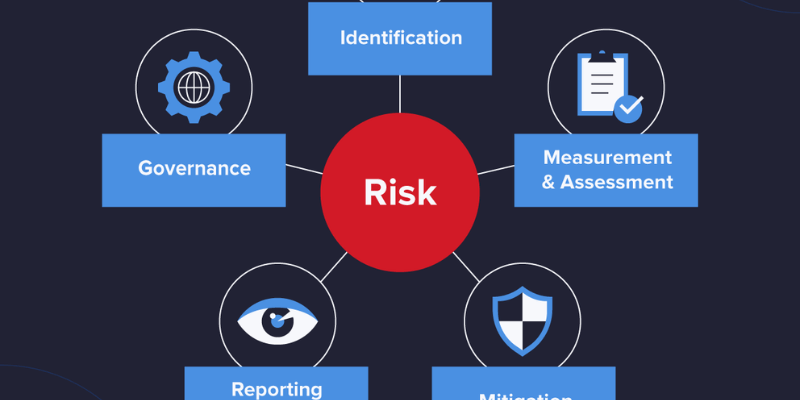
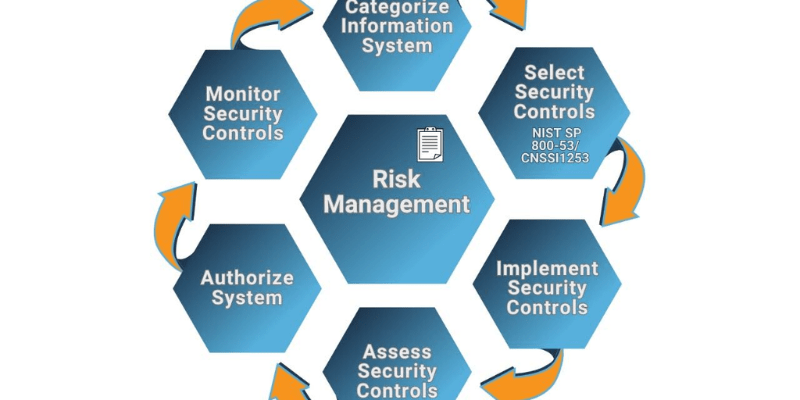
The digital landscape is constantly shifting, introducing novel challenges alongside opportunities. An information technology risk management framework provides a structured methodology for identifying, assessing, mitigating, and monitoring these risks across an organization’s IT ecosystem. It transforms an ad-hoc response into a proactive, strategic function, aligning IT security with broader business objectives. This framework acts as a compass, guiding decision-makers through the intricate terrain of digital hazards and ensuring that technology investments are protected and yield their intended value.

What constitutes IT risk?

IT risk encompasses any potential threat that could negatively impact an organization’s information systems, data, or technology infrastructure. These risks can originate.

Why a structured approach is essential

A structured approach to IT risk management moves beyond isolated security measures to integrate risk considerations into every aspect of an organization’s operations. It fosters a culture of security awareness, ensuring that employees at all levels understand their role in protecting digital assets. Such a framework enables organizations to prioritize risks based on their potential impact and likelihood, allocating resources efficiently to address the most critical vulnerabilities first. This systematic methodology also facilitates better communication between IT departments and executive leadership, translating technical risks into business language that supports informed decision-making. By providing a clear roadmap, it helps avoid knee-jerk reactions to incidents and instead promotes a resilient, adaptive posture.

Key components of a robust risk management framework
Key components of a robust risk management framework

An effective information technology risk management framework is built upon several foundational components that work in concert to provide comprehensive coverage. These components guide organizations through the entire risk lifecycle,, businesses can establish a strong defense against the ever-evolving threat landscape.

Risk identification and assessment

The initial phase involves meticulously identifying all potential IT risks within an organization’s environment. This includes reviewing hardware, software, network infrastructure, data processes, and human factors. Once identified, risks are assessed based on their likelihood of occurrence and their potential impact on business operations, financial standing, and reputation. This assessment often uses qualitative (e.g., high, medium, low) or quantitative (e.g., financial cost) methods to provide a clear understanding of the threat landscape. For example, assessing the likelihood of a data breach from a zero-day vulnerability might be high given the prevalence of such attacks, while the impact on customer trust and regulatory fines could be catastrophic. Tools like vulnerability scanners and penetration testing are crucial here.

Risk response and mitigation strategies

After risks are assessed, organizations must develop appropriate response and mitigation strategies. These strategies typically fall into four categories: avoidance, transference, acceptance, and mitigation. Avoidance involves eliminating the risk entirely, such as discontinuing a risky project. Transference shifts the risk to a third party, often through insurance. Acceptance means acknowledging the risk and deciding not to take any action, usually for low-impact, low-likelihood risks. Mitigation, the most common approach, involves implementing controls to reduce the likelihood or impact of the risk. This could include deploying firewalls, encrypting sensitive data, or implementing robust access controls. Each strategy requires careful consideration of cost, effectiveness, and alignment with business goals.

Continuous monitoring and review

The dynamic nature of technology and threats necessitates continuous monitoring and periodic review of the information technology risk management framework. This involves regularly scanning for new vulnerabilities, monitoring security events, and reviewing the effectiveness of existing controls. As new technologies are adopted or business processes change, new risks may emerge, requiring adjustments to the framework. Regular audits and assessments help identify gaps and ensure that the risk management process remains relevant and effective. Companies often use Security Information and Event Management (SIEM) systems to aggregate and analyze security logs, providing real-time insights into potential threats and compliance deviations. This ongoing vigilance is paramount for maintaining a strong security posture.

Implementing an effective information technology risk management framework

Implementing an effective information technology risk management framework is a complex undertaking that requires careful planning, executive buy-in, and a clear understanding of an organization’s specific context. It’s not a one-size-fits-all solution but rather a tailored process that aligns with the organization’s strategic objectives, regulatory requirements, and risk appetite. The success of implementation hinges on a phased approach, fostering collaboration across departments, and embedding risk awareness into the organizational culture. This strategic deployment ensures that the framework becomes an integral part of operations rather than an isolated security initiative.

Establishing governance and policies

The foundation of any successful risk management framework is strong governance. This involves establishing clear roles, responsibilities, and accountability for risk management activities across the organization. Senior leadership must champion the initiative, providing the necessary resources and demonstrating a commitment to security. Policies and procedures need to be developed that define acceptable use of technology, data handling protocols, incident response plans, and compliance requirements. These policies serve as the guiding principles for employees, ensuring a consistent approach to risk across all business units. Regular training and communication are essential to ensure that all stakeholders understand their obligations and the importance of these policies.

Integrating with business processes

For an information technology risk management framework to be truly effective, it cannot exist in a silo. It must be seamlessly integrated into existing business processes and workflows. This means considering risk implications during the planning stages of new projects, applications, and system deployments. Incorporating risk assessments into the software development lifecycle (SDLC) helps identify and address vulnerabilities early, reducing remediation costs later. Furthermore, integrating risk management with broader enterprise risk management (ERM) initiatives ensures a holistic view of risks across the entire organization, preventing IT risks.

Leveraging technology and automation

Modern IT risk management relies heavily on technology and automation to manage the sheer volume of data and rapidly evolving threats. Tools such as Governance, Risk, and Compliance (GRC) platforms, vulnerability management systems, and security orchestration, automation, and response (SOAR) solutions streamline processes, improve efficiency, and enhance accuracy. Automation can accelerate risk assessments, identify anomalies in real time, and even initiate predefined responses to security incidents. For instance, automated vulnerability scanning can continuously monitor systems for known weaknesses, while an automated incident response playbooks can guide security teams through critical steps during an attack, reducing human error and response times. These technological enablers are crucial for maintaining an up-to-date and dynamic risk posture.

Benefits and business impact of strong IT risk management
Benefits and business impact of strong IT risk management

Implementing a robust information technology risk management framework extends far beyond simply avoiding breaches or ensuring compliance; it fundamentally enhances an organization’s operational resilience and strategic agility. The benefits permeate various aspects of the business, fostering greater trust among customers and stakeholders, optimizing resource allocation, and even serving as a competitive differentiator in the marketplace. Companies that proactively manage their IT risks are better positioned to navigate unforeseen challenges and capitalize on new technological opportunities, ultimately driving long-term value.

Enhanced security posture and resilience

A well-implemented framework significantly strengthens an organization’s overall security posture. By systematically identifying and addressing vulnerabilities, companies can reduce their attack surface and minimize the likelihood of successful cyberattacks. In the event of an incident, a prepared organization with a defined incident response plan, a core component of risk management, can react swiftly and effectively, limiting damage and accelerating recovery. This enhanced resilience means less downtime, reduced data loss, and quicker restoration of normal operations, all of which directly impact profitability and customer satisfaction. It transforms a reactive defense into a proactive, adaptive system.

Regulatory compliance and reputation protection

In an era of stringent data privacy regulations like GDPR and CCPA, and industry-specific mandates, demonstrating compliance is non-negotiable. An information technology risk management framework provides the documented processes and controls necessary to meet these regulatory obligations, avoiding hefty fines and legal repercussions. Beyond compliance, protecting sensitive data and maintaining operational integrity safeguards an organization’s reputation. Data breaches can severely erode customer trust and public perception, leading to long-term damage to brand equity. A strong risk management framework acts as a shield, preserving the trust that customers and partners place in the organization.

Improved decision-making and resource allocation

By providing clear insights into the organization’s risk landscape, an IT risk management framework empowers leadership to make more informed strategic and operational decisions. Resources, whether financial or human, can be allocated more effectively to address the most critical risks, ensuring maximum impact.

Evolving threats and the future of IT risk management

The pace of technological innovation is matched only by the increasing sophistication of cyber threats. New paradigms like artificial intelligence, quantum computing, and the widespread adoption of IoT devices are introducing novel risk vectors that traditional frameworks may not fully address. Therefore, the future of information technology risk management framework must be adaptive, forward-looking, and continuously integrate emerging technologies and methodologies to stay ahead of adversaries. Daily98news recognizes that staying abreast of these shifts is critical for any organization aiming for long-term digital security.

AI and machine learning in risk management

Artificial intelligence (AI) and machine learning (ML) are rapidly transforming the field of IT risk management. These technologies can process vast amounts of data to identify patterns, detect anomalies, and predict potential threats with unprecedented speed and accuracy. AI-powered tools can enhance threat detection, automate vulnerability assessments, and even assist in forensic analysis after an incident. For example, AI algorithms can analyze network traffic to spot unusual behavior indicative of an attack before it fully escalates, offering predictive capabilities that human analysts might miss. However, AI also introduces new risks, such as algorithmic bias or adversarial AI attacks, which must be managed within the framework itself.

The challenge of quantum computing and IoT security

The advent of quantum computing poses a long-term, yet significant, threat to current encryption standards, which form the bedrock of much of modern cybersecurity. Organizations need to start considering “post-quantum cryptography” readiness as part of their future risk strategies. Simultaneously, the proliferation of Internet of Things (IoT) devices,, making them easy targets for attackers seeking to gain entry into corporate networks or launch large-scale distributed denial-of-service (DDoS) attacks. Managing the security and risk associated with these myriad, often resource-constrained devices, is a growing challenge that demands specialized attention within the IT risk management framework.

The rise of supply chain and third-party risks

Modern businesses increasingly rely on a complex web of third-party vendors, cloud providers, and supply chain partners. This extended ecosystem, while enabling agility and specialization, also introduces significant inherent risks. A vulnerability in a single supplier’s system can have a cascading effect, compromising the data and operations of numerous clients, as evidenced by recent high-profile supply chain attacks. Therefore, an information technology risk management framework must extend its purview beyond the organization’s immediate perimeter to include thorough vetting, continuous monitoring, and contractual agreements with all third parties. Robust due diligence and clear service level agreements regarding security are paramount to mitigate these pervasive external risks.

Conclusion

A well-defined and diligently executed information technology risk management framework is no longer a luxury but an indispensable strategic asset in the contemporary digital economy. It provides the necessary structure and foresight to navigate an increasingly complex threat landscape, safeguarding critical assets, ensuring regulatory compliance, and bolstering an organization’s overall resilience. Daily98news encourages all technology leaders and business owners to invest in developing and continuously refining their IT risk management strategies, transforming potential vulnerabilities into areas of strength. By embracing a proactive and adaptive approach, organizations can build trust, protect their reputation, and confidently leverage technology to achieve their strategic objectives in an ever-evolving digital world.# Navigating the Digital Frontier: An Information Technology Risk Management Framework Imperative

In today’s hyper-connected world, where digital transformation is no longer an option but a strategic imperative, organizations face an increasingly complex tapestry of cyber threats and operational vulnerabilities. The sheer volume and sophistication of these risks demand a structured approach to safeguard critical assets and ensure business continuity. Today, let’s join Daily98news to find out why a robust information technology risk management framework is not merely a compliance checklist but a fundamental pillar for sustainable growth and competitive advantage in the digital age. This article will delve into the core tenets, practical applications, and evolving landscape of managing IT risks, providing clarity amidst the buzzwords.

Understanding the critical role of an information technology risk management framework

The digital landscape is constantly shifting, introducing novel challenges alongside opportunities. An information technology risk management framework provides a structured methodology for identifying, assessing, mitigating, and monitoring these risks across an organization’s IT ecosystem. It transforms an ad-hoc response into a proactive, strategic function, aligning IT security with broader business objectives. This framework acts as a compass, guiding decision-makers through the intricate terrain of digital hazards and ensuring that technology investments are protected and yield their intended value.

What constitutes IT risk?

IT risk encompasses any potential threat that could negatively impact an organization’s information systems, data, or technology infrastructure. These risks can originate.

Why a structured approach is essential

A structured approach to IT risk management moves beyond isolated security measures to integrate risk considerations into every aspect of an organization’s operations. It fosters a culture of security awareness, ensuring that employees at all levels understand their role in protecting digital assets. Such a framework enables organizations to prioritize risks based on their potential impact and likelihood, allocating resources efficiently to address the most critical vulnerabilities first. This systematic methodology also facilitates better communication between IT departments and executive leadership, translating technical risks into business language that supports informed decision-making. By providing a clear roadmap, it helps avoid knee-jerk reactions to incidents and instead promotes a resilient, adaptive posture.

Key components of a robust risk management framework

An effective information technology risk management framework is built upon several foundational components that work in concert to provide comprehensive coverage. These components guide organizations through the entire risk lifecycle,, businesses can establish a strong defense against the ever-evolving threat landscape.

Risk identification and assessment

The initial phase involves meticulously identifying all potential IT risks within an organization’s environment. This includes reviewing hardware, software, network infrastructure, data processes, and human factors. Once identified, risks are assessed based on their likelihood of occurrence and their potential impact on business operations, financial standing, and reputation. This assessment often uses qualitative (e.g., high, medium, low) or quantitative (e.g., financial cost) methods to provide a clear understanding of the threat landscape. For example, assessing the likelihood of a data breach from a zero-day vulnerability might be high given the prevalence of such attacks, while the impact on customer trust and regulatory fines could be catastrophic. Tools like vulnerability scanners and penetration testing are crucial here.

Risk response and mitigation strategies

After risks are assessed, organizations must develop appropriate response and mitigation strategies. These strategies typically fall into four categories: avoidance, transference, acceptance, and mitigation. Avoidance involves eliminating the risk entirely, such as discontinuing a risky project. Transference shifts the risk to a third party, often through insurance. Acceptance means acknowledging the risk and deciding not to take any action, usually for low-impact, low-likelihood risks. Mitigation, the most common approach, involves implementing controls to reduce the likelihood or impact of the risk. This could include deploying firewalls, encrypting sensitive data, or implementing robust access controls. Each strategy requires careful consideration of cost, effectiveness, and alignment with business goals.

Continuous monitoring and review

The dynamic nature of technology and threats necessitates continuous monitoring and periodic review of the information technology risk management framework. This involves regularly scanning for new vulnerabilities, monitoring security events, and reviewing the effectiveness of existing controls. As new technologies are adopted or business processes change, new risks may emerge, requiring adjustments to the framework. Regular audits and assessments help identify gaps and ensure that the risk management process remains relevant and effective. Companies often use Security Information and Event Management (SIEM) systems to aggregate and analyze security logs, providing real-time insights into potential threats and compliance deviations. This ongoing vigilance is paramount for maintaining a strong security posture.

Implementing an effective information technology risk management framework

Implementing an effective information technology risk management framework is a complex undertaking that requires careful planning, executive buy-in, and a clear understanding of an organization’s specific context. It’s not a one-size-fits-all solution but rather a tailored process that aligns with the organization’s strategic objectives, regulatory requirements, and risk appetite. The success of implementation hinges on a phased approach, fostering collaboration across departments, and embedding risk awareness into the organizational culture. This strategic deployment ensures that the framework becomes an integral part of operations rather than an isolated security initiative.

Establishing governance and policies

The foundation of any successful risk management framework is strong governance. This involves establishing clear roles, responsibilities, and accountability for risk management activities across the organization. Senior leadership must champion the initiative, providing the necessary resources and demonstrating a commitment to security. Policies and procedures need to be developed that define acceptable use of technology, data handling protocols, incident response plans, and compliance requirements. These policies serve as the guiding principles for employees, ensuring a consistent approach to risk across all business units. Regular training and communication are essential to ensure that all stakeholders understand their obligations and the importance of these policies.

Integrating with business processes

For an information technology risk management framework to be truly effective, it cannot exist in a silo. It must be seamlessly integrated into existing business processes and workflows. This means considering risk implications during the planning stages of new projects, applications, and system deployments. Incorporating risk assessments into the software development lifecycle (SDLC) helps identify and address vulnerabilities early, reducing remediation costs later. Furthermore, integrating risk management with broader enterprise risk management (ERM) initiatives ensures a holistic view of risks across the entire organization, preventing IT risks.

Leveraging technology and automation

Modern IT risk management relies heavily on technology and automation to manage the sheer volume of data and rapidly evolving threats. Tools such as Governance, Risk, and Compliance (GRC) platforms, vulnerability management systems, and security orchestration, automation, and response (SOAR) solutions streamline processes, improve efficiency, and enhance accuracy. Automation can accelerate risk assessments, identify anomalies in real time, and even initiate predefined responses to security incidents. For instance, automated vulnerability scanning can continuously monitor systems for known weaknesses, while automated incident response playbooks can guide security teams through critical steps during an attack, reducing human error and response times. These technological enablers are crucial for maintaining an up-to-date and dynamic risk posture.

Benefits and business impact of strong IT risk management

Implementing a robust information technology risk management framework extends far beyond simply avoiding breaches or ensuring compliance; it fundamentally enhances an organization’s operational resilience and strategic agility. The benefits permeate various aspects of the business, fostering greater trust among customers and stakeholders, optimizing resource allocation, and even serving as a competitive differentiator in the marketplace. Companies that proactively manage their IT risks are better positioned to navigate unforeseen challenges and capitalize on new technological opportunities, ultimately driving long-term value.

Enhanced security posture and resilience

A well-implemented framework significantly strengthens an organization’s overall security posture. By systematically identifying and addressing vulnerabilities, companies can reduce their attack surface and minimize the likelihood of successful cyberattacks. In the event of an incident, a prepared organization with a defined incident response plan, a core component of risk management, can react swiftly and effectively, limiting damage and accelerating recovery. This enhanced resilience means less downtime, reduced data loss, and quicker restoration of normal operations, all of which directly impact profitability and customer satisfaction. It transforms a reactive defense into a proactive, adaptive system.

Regulatory compliance and reputation protection

In an era of stringent data privacy regulations like GDPR and CCPA, and industry-specific mandates, demonstrating compliance is non-negotiable. An information technology risk management framework provides the documented processes and controls necessary to meet these regulatory obligations, avoiding hefty fines and legal repercussions. Beyond compliance, protecting sensitive data and maintaining operational integrity safeguards an organization’s reputation. Data breaches can severely erode customer trust and public perception, leading to long-term damage to brand equity. A strong risk management framework acts as a shield, preserving the trust that customers and partners place in the organization.

Improved decision-making and resource allocation

By providing clear insights into the organization’s risk landscape, an IT risk management framework empowers leadership to make more informed strategic and operational decisions. Resources, whether financial or human, can be allocated more effectively to address the most critical risks, ensuring maximum impact.

Evolving threats and the future of IT risk management

The pace of technological innovation is matched only by the increasing sophistication of cyber threats. New paradigms like artificial intelligence, quantum computing, and the widespread adoption of IoT devices are introducing novel risk vectors that traditional frameworks may not fully address. Therefore, the future of information technology risk management framework must be adaptive, forward-looking, and continuously integrate emerging technologies and methodologies to stay ahead of adversaries. Daily98news recognizes that staying abreast of these shifts is critical for any organization aiming for long-term digital security.

AI and machine learning in risk management

Artificial intelligence (AI) and machine learning (ML) are rapidly transforming the field of IT risk management. These technologies can process vast amounts of data to identify patterns, detect anomalies, and predict potential threats with unprecedented speed and accuracy. AI-powered tools can enhance threat detection, automate vulnerability assessments, and even assist in forensic analysis after an incident. For example, AI algorithms can analyze network traffic to spot unusual behavior indicative of an attack before it fully escalates, offering predictive capabilities that human analysts might miss. Organizations using AI-powered security systems can detect and contain data breaches significantly faster, leading to substantial cost savings. However, AI also introduces new risks, such as algorithmic bias or adversarial AI attacks, which must be managed within the framework itself.

The challenge of quantum computing and IoT security

The advent of quantum computing poses a long-term, yet significant, threat to current encryption standards, which form the bedrock of much of modern cybersecurity. Organizations need to start considering “post-quantum cryptography” readiness as part of their future risk strategies. Simultaneously, the proliferation of Internet of Things (IoT) devices,, making them easy targets for attackers seeking to gain entry into corporate networks or launch large-scale distributed denial-of-service (DDoS) attacks. Managing the security and risk associated with these myriad, often resource-constrained devices, is a growing challenge that demands specialized attention within the IT risk management framework.

The rise of supply chain and third-party risks

Modern businesses increasingly rely on a complex web of third-party vendors, cloud providers, and supply chain partners. This extended ecosystem, while enabling agility and specialization, also introduces significant inherent risks. A vulnerability in a single supplier’s system can have a cascading effect, compromising the data and operations of numerous clients, as evidenced by recent high-profile supply chain attacks. In fact, third-party vendor and supply chain compromise was the second most prevalent attack vector and second costliest in 2025. Therefore, an information technology risk management framework must extend its purview beyond the organization’s immediate perimeter to include thorough vetting, continuous monitoring, and contractual agreements with all third parties. AI-driven systems are increasingly being used to deliver end-to-end visibility across supply chain operations, proactively identifying risks associated with supplier delays, weather issues, and geopolitical disruptions. Robust due diligence and clear service level agreements regarding security are paramount to mitigate these pervasive external risks.

Conclusion

A well-defined and diligently executed information technology risk management framework is no longer a luxury but an an indispensable strategic asset in the contemporary digital economy. It provides the necessary structure and foresight to navigate an increasingly complex threat landscape, safeguarding critical assets, ensuring regulatory compliance, and bolstering an organization’s overall resilience. Daily98news encourages all technology leaders and business owners to invest in developing and continuously refining their IT risk management strategies, transforming potential vulnerabilities into areas of strength. By embracing a proactive and adaptive approach, organizations can build trust, protect their reputation, and confidently leverage technology to achieve their strategic objectives in an ever-evolving digital world.
Navigating the Digital Frontier: Mastering Information Technology Risk And Controls

0

In today’s hyper-connected world, where digital transformation is no longer an aspiration but a fundamental business imperative, organizations face an increasingly complex and dynamic threat landscape. The promise of advanced technologies like AI, cloud computing, and IoT comes hand-in-hand with unprecedented vulnerabilities. For business leaders, IT professionals, and technology enthusiasts alike, understanding and effectively managing information technology risk and controls is paramount. It’s about more than just preventing breaches; it’s about safeguarding reputation, ensuring operational continuity, and securing the foundation for future innovation. Today, Daily98news will accompany you to explore the critical dimensions of IT risk and the robust control strategies necessary to thrive in this challenging environment.

Understanding the Evolving Landscape of It Risks

Establishing robust information technology controls

The digital realm is a double-edged sword, offering immense opportunities while simultaneously presenting an array of complex risks. Modern enterprises operate within an intricate web of interconnected systems, making them susceptible to a broad spectrum of threats that constantly evolve in sophistication and scale. Staying ahead requires continuous vigilance and a deep understanding of these shifting risk paradigms.

Types of contemporary It risks

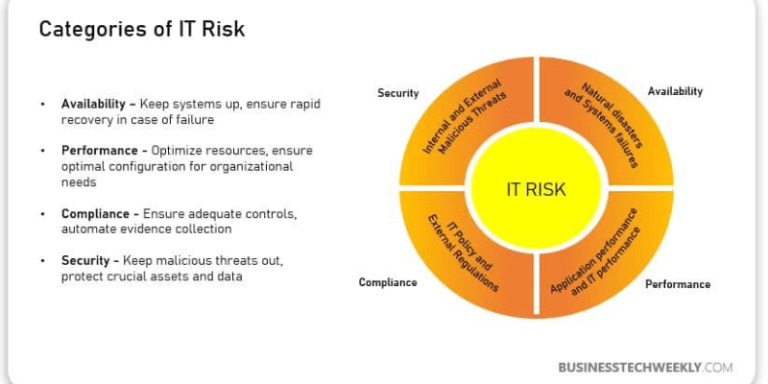
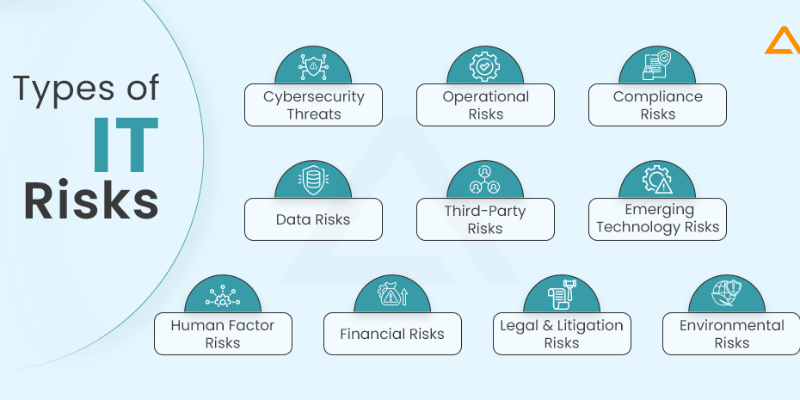
The spectrum of IT risks is vast, encompassing everything from malicious cyberattacks to unforeseen operational failures and non-compliance with regulatory mandates. Cyber risks remain at the forefront, with threats such as ransomware, phishing, and advanced persistent threats (APTs) becoming increasingly sophisticated. Operational risks, including human error, system outages, and software vulnerabilities, can disrupt critical business functions. Furthermore, compliance risks stemming from stringent data privacy regulations like GDPR or industry-specific mandates can result in significant financial penalties and reputational damage if not properly addressed. A new vulnerability is identified every 17 minutes, highlighting the continuous emergence of potential threats.

Impact of emerging technologies on risk profiles

Emerging technologies, while transformative, also introduce novel attack vectors and amplify existing risks. Cloud computing, for instance, offers scalability but shifts some responsibility for security to the cloud provider while expanding the attack surface for organizations using multiple public cloud providers. The proliferation of IoT devices creates countless new endpoints that can be exploited, often lacking robust native security features. Artificial intelligence, a powerful tool for defense, can also be weaponized by adversaries, leading to more sophisticated AI-driven malware and attacks. The adoption of AI is rapidly outpacing the establishment of governance frameworks, with a significant majority of organizations currently lacking fully embedded controls to manage associated risks.

The cost of It breaches and control failures

The financial fallout. The global average cost of a data breach reached $4.88 million in 2024, representing a 10% increase, averaging $10.10 million in 2024, followed by the financial sector at $6.08 million. Beyond direct costs, organizations face expenses for legal counsel, customer notifications, credit monitoring, and regulatory fines. The overall economic impact of cybercrime is projected to be $10.5 trillion globally in 2025, underscoring the immense financial stakes involved in robust information technology risk and controls.

The Core Principles of Information Technology Risk Management

Establishing robust information technology controls

Effective management of IT risks is not merely a technical exercise; it is a strategic business imperative that requires a structured, continuous approach. Companies must integrate risk considerations into every layer of their operations,.

Risk identification and assessment methodologies

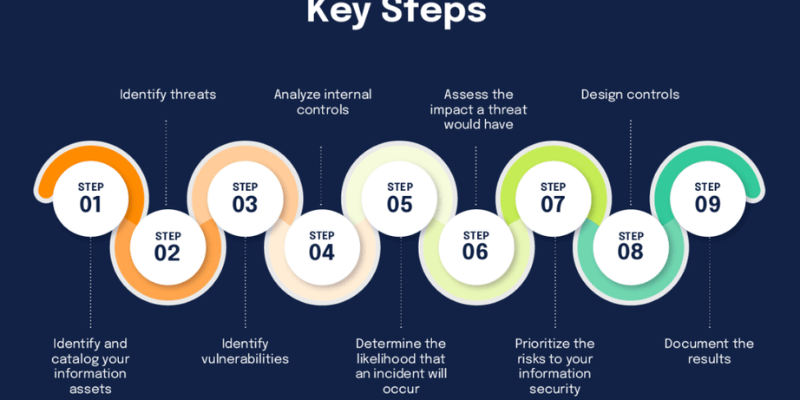
The first step in any robust risk management program is to systematically identify and assess potential threats and vulnerabilities. This involves evaluating all IT assets—hardware, software, data, and networks—to understand their criticality and potential exposure. Methodologies often include threat modeling, vulnerability scanning, and penetration testing, which simulate attacks to uncover weaknesses. Risk assessments quantify the likelihood and potential impact of identified risks, allowing organizations to prioritize their efforts effectively. This crucial phase provides the foundational intelligence needed to develop targeted control strategies.

Risk mitigation strategies

Once risks are identified and assessed, organizations must choose appropriate mitigation strategies. These typically fall into four categories: risk avoidance, where activities posing unacceptable risks are halted; risk transfer, such as through cybersecurity insurance; risk acceptance, for low-impact risks that are monitored; and risk reduction, which involves implementing controls to lower the likelihood or impact of a risk event. The objective is to strike a balance between security and business enablement, ensuring that protective measures do not unduly hinder innovation or operational efficiency.

The role of governance in It risk

Effective IT risk management is deeply rooted in strong governance. This involves establishing clear policies, roles, and responsibilities for managing IT risks across the organization. Senior leadership and boards of directors must actively champion a culture of vigilance, training, and accountability. As Allison Dunn, a security expert, states, “Cybersecurity isn’t an IT issue—it’s a leadership issue. The smartest leaders don’t just fund security; they champion a culture where vigilance, training, and accountability are non-negotiable.” Governance frameworks ensure that risk management processes are consistent, transparent, and aligned with overall business objectives, integrating cybersecurity as a strategic business enabler rather than merely a cost center.

Key Information Technology Controls for Modern Enterprises

Establishing robust information technology controls

Controls are the practical mechanisms by which organizations manage and reduce their IT risks. They act as safeguards, designed to prevent, detect, and respond to threats effectively. A layered defense approach, incorporating various types of controls, is essential to build resilience against the diverse and evolving threat landscape. James Scott notes that “There’s no silver bullet solution with cyber security; a layered defense is the only viable defense.”

Technical controls

Technical controls are technology-based mechanisms embedded within IT systems to protect assets. These include sophisticated access management systems, which ensure only authorized users can access sensitive data and systems, often leveraging multi-factor authentication. Encryption technologies secure data at rest and in transit, rendering it unreadable to unauthorized parties. Firewalls and intrusion detection/prevention systems monitor network traffic, blocking malicious activity and alerting security teams to suspicious patterns. Regular patching and vulnerability management are also critical technical controls, as a significant percentage of data breaches are caused by a failure to patch known vulnerabilities.

Administrative controls

Administrative controls are policies, procedures, and guidelines established by management to govern the behavior of individuals and the management of IT systems. Examples include comprehensive security policies outlining acceptable use, data handling, and incident response protocols. Regular security awareness training for employees is vital, as the human element remains a common root cause of data breaches, often due to negligence or social engineering. Clear operational procedures for system configuration, change management, and backup and recovery ensure consistency and reduce the risk of errors. These controls cultivate a culture of security throughout the organization, extending beyond technical safeguards.

Physical controls

Physical controls protect IT assets, comprehensive physical security forms a fundamental layer of information technology risk and controls.

Implementing Robust Control Frameworks

Adopting industry-recognized control frameworks provides a structured approach to implementing, managing, and continuously improving IT security. These frameworks offer best practices, standards, and guidelines that help organizations assess their current security posture, identify gaps, and build a more resilient defense. The benefits extend beyond compliance, fostering a proactive security culture.

Popular frameworks and standards

Several widely adopted frameworks guide organizations in managing their cybersecurity risks. The National Institute of Standards and Technology (NIST) Cybersecurity Framework (CSF) 2.0 provides guidance to manage cybersecurity risks, usable by any organization regardless of size or sector. It is a popular choice, particularly within the technology industry, with 40% of US organizations using it. ISO 27001 is another globally recognized standard for information security management systems, offering a systematic approach to managing sensitive company information. COBIT (Control Objectives for Information and Related Technologies) provides a comprehensive framework for IT governance and management, helping to ensure IT aligns with business objectives. Many organizations, in fact, leverage multiple frameworks to guide their security efforts, indicating a layered approach to cybersecurity.

Steps for effective implementation and continuous monitoring

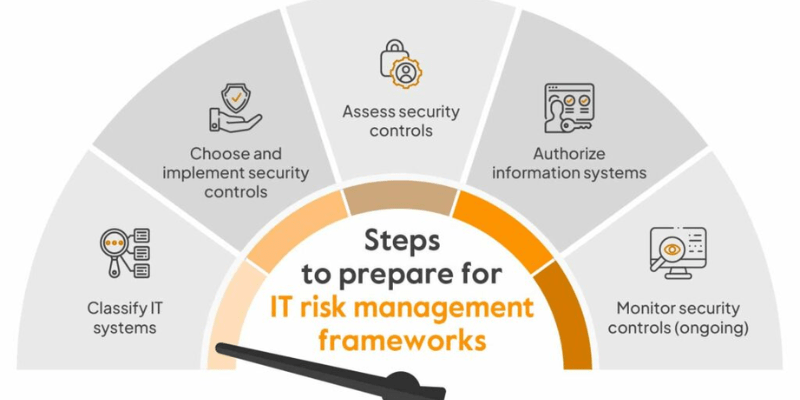
Implementing a control framework is a multi-step process that begins with assessing the organization’s current state against the framework’s guidelines. This gap analysis informs the development of a roadmap for implementing necessary controls and processes. Continuous monitoring is crucial, involving regular audits, performance metrics, and risk assessments to ensure controls remain effective and adapt to new threats. Organizations that identify and address breaches within 200 days generally incur 23% less cost than those with longer containment times. Leveraging integrated risk management (IRM) solutions can offer a holistic view of risk management, combining technology, process, and data for simplification, automation, and integration of strategic and operational management processes.

Integrating controls with business processes

The most effective controls are those seamlessly integrated into daily business operations, becoming an intrinsic part of how work is done rather than an isolated security layer. This requires collaboration between IT, security, and business units to ensure controls support business objectives without creating unnecessary friction. For example, secure-by-design principles ensure security is built into new applications and systems.

Leveraging AI and Automation in Risk and Control

Artificial intelligence and automation are rapidly transforming the landscape of information technology risk and controls, offering powerful new capabilities for threat detection, response, and compliance. While these technologies present their own set of risks, their strategic application can significantly enhance an organization’s security posture.

Ai for threat detection and anomaly identification

AI-powered systems excel at processing vast quantities of data in real-time, identifying subtle patterns and anomalies that human analysts might miss. Machine learning algorithms continuously learn, AI-driven malware that can mutate to avoid static detection. AI enhances threat intelligence, automates response mechanisms, and proactively identifies vulnerabilities, drastically improving the speed and accuracy of threat detection and analysis.

Automation in compliance and audit processes

Automation streamlines routine security tasks, such as updating security protocols, patching vulnerabilities, and managing access controls. This reduces the burden on cybersecurity teams, freeing them to focus on more complex and strategic initiatives. In compliance, automation can facilitate continuous monitoring of IT estates, generate audit trails, and prepopulate risk data, making it easier to demonstrate adherence to regulatory requirements and internal policies. This not only improves efficiency but also enhances the accuracy and timeliness of compliance reporting, transforming traditionally labor-intensive processes.

Predictive analytics for emerging risks

Beyond reactive detection, AI enables predictive analysis by examining historical data and current trends to anticipate potential attack vectors before a breach occurs. This proactive application of AI significantly strengthens an organization’s overall security posture. Predictive models can identify vulnerabilities and emerging threats, allowing security teams to implement preventative measures and allocate resources more effectively. The ability to forecast risks empowers organizations to build resilience and adapt their information technology risk and controls to stay ahead of the curve, moving.

Case Studies: Real-World Application of It Controls

Examining practical applications of IT controls across various industries provides valuable insights into how organizations successfully mitigate risks and foster resilience. These examples highlight the tangible benefits of a strategic approach to information technology risk management.

A global telecommunications company, facing the immense challenge of replacing its existing network across numerous international locations, adopted a rigorous risk management approach. The project’s complexity and the potential for significant delays necessitated a dynamic risk register and continuous assessment of potential threats. By prioritizing detailed risk modeling and impact assessments, the company ensured that strategic planning and robust control mechanisms were embedded throughout the extensive transformation, helping to navigate unforeseen challenges and achieve operational continuity.

In another instance, a mid-sized regional grocery retailer, mandated by its Board of Directors to enhance its risk management activities, focused on strengthening its IT governance. The IT department, working closely with the board, implemented more comprehensive risk assessment methodologies and established clear protocols for managing data security across its operations. This proactive step not only addressed compliance requirements but also significantly improved the overall resilience of its IT infrastructure against potential cyber threats and operational disruptions.

Similarly, a technology services provider leveraged specialized platforms to manage vulnerability and IT risk management reporting for its global customer base. This allowed them to track vulnerabilities by account, status, and over time, identify commonalities across multiple customers, and effectively coordinate with customers and their vendors for remediation. This proactive and centralized approach to vulnerability management significantly improved their ability to track and mitigate risks, including the critical process of formal risk acceptance. These examples underscore that strong information technology risk and controls are fundamental to safeguarding operations and reputation in complex digital environments.

Conclusion

The digital landscape, while offering unparalleled opportunities, also presents a relentless barrage of threats that demand continuous vigilance. Mastering information technology risk and controls is no longer optional; it is a fundamental pillar of sustainable business growth and operational resilience.

Navigating Information Technology Risks And Controls In The Digital Age

0

Technology is the backbone of modern business, driving innovation, efficiency, and global connectivity. Yet, this intricate digital web also introduces a constantly evolving landscape of vulnerabilities. As organizations increasingly rely on complex IT infrastructures, the imperative to understand and manage information technology risks and controls has never been more critical. Daily98news will guide you through the intricate world of digital threats, exploring how businesses can not only defend against sophisticated attacks but also proactively build resilient systems. This deep dive aims to demystify buzzwords, providing practical insights for intelligent investment and adoption decisions, ensuring you are equipped to master the digital frontier.

The evolving landscape of digital threats

The evolving landscape of digital threats

The digital realm is a battleground where threats evolve at an alarming pace, challenging even the most fortified defenses. The pervasive nature of technology means that while benefits like operational productivity and business growth are abundant, new threats emerge daily. Executives globally rank cyber-attacks among their top worries, with criminals capable of far more than simple email hacks, often bringing entire systems down and holding organizations to ransom. This escalating sophistication highlights a crucial shift: cybersecurity is no longer merely an IT department concern but a fundamental business imperative impacting reputation, finances, and continuity. The average global cost of a data breach has reached $4.88 million in 2024, a 10% increase, reaching $6.08 million. These figures underscore the urgent need for robust information technology risks and controls.

Understanding key information technology risks

Identifying and categorizing the diverse array of threats is the first step in constructing an effective defense. Information technology risks can stem.

Cyber-attacks and data breaches

Malicious software, or malware, remains a prevalent threat, capable of stealing or corrupting business information, causing system failures, or secretly recording computer activity. Ransomware, a particularly insidious form, blocks access to systems or files until a ransom is paid, with a single massive attack in 2017 affecting over 100,000 organizations and costing billions. Data breaches, which involve unauthorized access and theft of sensitive information, often target weak credentials, compromised assets, or third-party access points. In 2024, at least 35.5% of data breaches originated from third-party compromises, a significant increase, 88% of cybersecurity breaches involve an element of human error, highlighting the importance of employee education.

Cloud computing vulnerabilities

The widespread adoption of cloud computing, while offering scalability and flexibility, introduces new complexities and risks. Data breaches are a major concern in cloud environments, frequently caused by misconfigurations, weak access controls, or insufficient encryption. Unsecured APIs and interfaces also present significant entry points for attackers to gain access to cloud services. Other common cloud security risks include insider threats, Distributed Denial of Service (DDoS) attacks, and “shadow IT” where unauthorized cloud applications are used without IT oversight.

Internet of things (IoT) security challenges

The proliferation of IoT devices,. These devices can serve as gateways to an entire network if compromised or be assimilated into botnets for large-scale attacks. Outdated firmware and insufficient update mechanisms further exacerbate these vulnerabilities.

Human error and social engineering

Human error is consistently cited as a significant factor in cybersecurity incidents, contributing to 88% of breaches. Social engineering tactics, such as phishing, pretexting, and baiting, manipulate individuals into divulging sensitive information or taking actions that compromise security. These attacks exploit human trust and curiosity, often leading to the download of malware or disclosure of credentials. Even the most robust technical controls can be bypassed by successful social engineering, making employee education a critical defense.

Establishing robust information technology controls

Establishing robust information technology controls

Effective management of information technology risks and controls requires a multi-layered, proactive approach. Controls are specific activities or procedures designed to minimize risk, ensure compliance, and achieve IT objectives. They can be automated or manual, high-level policies or specific actions, and are crucial for maintaining the confidentiality, integrity, and availability of data.

Technical and administrative controls

Technical controls are the technological safeguards implemented to protect IT systems and data. Examples include robust firewalls to prohibit unauthorized network access, antivirus software with daily updates, and intrusion detection systems to monitor and prevent unwanted access. Logical access controls, such as complex passwords, multi-factor authentication (MFA), and least-privilege access, are essential for managing who can access what data based on their role and responsibilities. Furthermore, change management procedures ensure that all modifications to IT systems are authorized and meet business requirements, while source code and document version control protect the integrity of program code.

Administrative controls focus on policies, procedures, and organizational structures. Comprehensive compliance training for all IT staff, along with regular refresher courses, is vital for fostering a security-aware culture. Segregation of duties, which ensures that no single person has control over an entire process, helps prevent fraud and errors. Incident management and problem management policies are critical for addressing operational errors and identifying root causes to prevent recurrence.

Governance and compliance frameworks

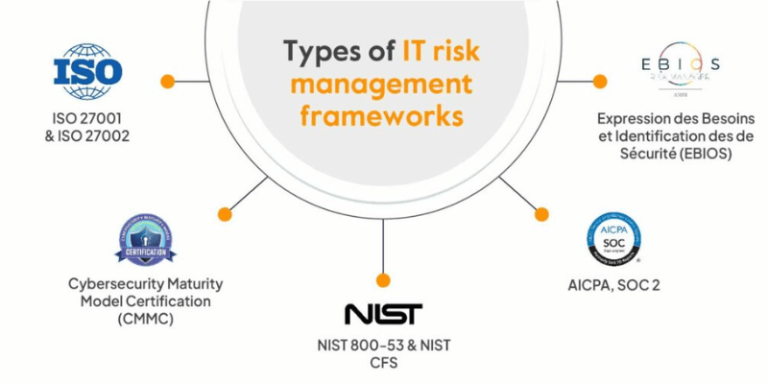
Adopting recognized governance and compliance frameworks provides a structured approach to managing IT risks. The NIST Cybersecurity Framework (CSF) is a voluntary framework developed by the National Institute of Standards and Technology, offering guidelines to identify, protect, detect, respond to, and recover, and continually improving an Information Security Management System (ISMS). It is more prescriptive than NIST CSF, requiring specific documentation and processes, and offers global recognition through certification. While distinct, these frameworks are complementary; implementing both can provide a comprehensive strategy, with ISO 27001 offering structure and NIST CSF enhancing risk management flexibility. Both emphasize top management support, continuous improvement, and a risk-based approach.

Leveraging emerging technologies for risk mitigation

The same technological advancements that introduce new risks also offer powerful tools for enhancing information technology risks and controls. Emerging technologies like Artificial Intelligence (AI), Machine Learning (ML), and Blockchain are revolutionizing how organizations approach cybersecurity, enabling more proactive and sophisticated defense mechanisms.

Artificial intelligence and machine learning

AI and ML are transforming cybersecurity by enhancing threat detection, response, and prevention capabilities. These intelligent algorithms can analyze vast amounts of data at speeds and scales beyond human capacity, identifying patterns and making informed decisions. AI-powered systems can detect threats in real-time, automate routine tasks like log analysis and vulnerability scanning, and continuously learn.

Key applications include:

  • Automated threat detection and analysis: AI and ML quickly identify suspicious trends, malware, or indicators of malicious intrusion by analyzing real-time data on a massive scale.
  • Predictive threat intelligence: Machine learning models analyze historical attack data and current threat feeds to anticipate future attacks, enabling organizations to proactively strengthen defenses.
  • Improved vulnerability management: AI helps organizations assess systems more effectively, identify high-risk areas, and improve problem-solving to address vulnerabilities before they escalate.

While AI offers immense benefits, its adoption in cybersecurity also introduces new complexities and potential vulnerabilities, such as AI-powered attacks and ethical concerns, necessitating secure and responsible AI policies.

Blockchain’s role in security

Blockchain technology offers a different paradigm for security, characterized by decentralization, transparency, and immutability, which inherently resist data tampering and reduce the risk of cyberattacks. Its distributed ledger makes it incredibly difficult for hackers to alter records without the consensus of the entire network, providing stronger data protection than centralized systems.

Blockchain’s advantages for cybersecurity include:

  • Enhanced data integrity: Once data is recorded on a blockchain, it cannot be changed without the network’s consensus, ensuring data reliability and transparency.
  • Decentralized identity management: By decentralizing identity data storage, blockchain reduces the risk of identity theft and fraud, giving users more control over their personal information.
  • Eliminating single points of failure: The distributed nature of blockchain removes centralized vulnerabilities that hackers typically exploit, making it significantly harder to compromise the entire dataset.
  • Securing IoT ecosystems: Blockchain can provide a secure and scalable framework for communication between IoT devices, protecting against unauthorized access and data breaches.

While robust, vulnerabilities can still exist in smart contracts, third-party applications, or private keys, emphasizing the need for pro.

Case studies in effective risk management

Case studies in effective risk management

Real-world examples demonstrate the tangible impact of robust information technology risks and controls. Organizations that prioritize and strategically implement risk management frameworks often see significant improvements in their security posture and resilience.

A notable instance involved a financial institution that integrated an advanced risk identification framework, leading to a 45% decrease in data breaches within a year. Leveraging advanced analytics and machine learning, this entity not only accelerated threat identification but also improved incident response times by 30%. This showcases how a combination of strategic framework adoption and technological investment can yield substantial protective benefits and cost savings in breach recovery.

Another compelling case highlights a major retailer that successfully reduced cybersecurity incidents by over 50% by adopting a layered defense strategy. This included rigorous third-party audits and comprehensive employee training, addressing the often-overlooked human element and supply chain vulnerabilities. The increasing reliance on third-party vendors means that at least 98% of organizations have at least one vendor that has experienced a data breach, making third-party risk management an undeniable priority. These examples illustrate that continuous risk assessment, combined with investment in both technology and human capital, is paramount for building resilience in the face of evolving digital threats.

Final thoughts

The dynamic landscape of information technology risks and controls demands continuous vigilance and strategic adaptation. Daily98news encourages you to not merely react to emerging threats but to embrace a forward-thinking approach, integrating cutting-edge technologies like AI and Blockchain while reinforcing foundational controls and fostering a culture of security awareness. By understanding the intricate interplay of threats and safeguards, and by making informed decisions about technology adoption and investment, you can transform potential vulnerabilities into opportunities for enhanced resilience and competitive advantage. Keep exploring, keep learning, and stay ahead in the ever-evolving digital age.

Revolutionizing Coverage: The Future Of Insurance Technology Services And Solutions

0

Today, Daily98news invites you to delve into the transformative world of insurance technology services and solutions. The insurance industry, traditionally perceived as resistant to change, is currently undergoing a profound digital metamorphosis. This shift is not merely an upgrade of existing systems but a fundamental reimagining of how insurance products are designed, delivered, and managed. For technology enthusiasts, IT professionals, and forward-thinking business owners, understanding these advancements is crucial for navigating an increasingly complex yet opportunity-rich landscape. As we look towards 2025 and beyond, the integration of cutting-edge technologies is reshaping every facet of insurance, promising unprecedented efficiency, personalization, and resilience.

The Dawn Of A New Era: Digital Transformation In Insurance

The Dawn Of A New Era: Digital Transformation In Insurance

The insurance sector is experiencing a monumental shift, propelled by evolving customer expectations and the rapid maturation of advanced technologies. This digital transformation is moving the industry, paper-intensive roots to a dynamic, data-driven future. Projections indicate a robust growth trajectory for the insurtech market, with some forecasts suggesting a global market size of approximately $36.05 billion in 2025 and an anticipated acceleration at a Compound Annual Growth Rate (CAGR) of 37.10%. Other analyses estimate the market could reach $1.19 trillion in 2025, underscoring the significant and accelerating investment in innovative insurance technology services and solutions.

This widespread adoption is evident as a substantial 60% to 70% of insurance companies globally are actively engaged in digital transformation initiatives, albeit with varying levels of maturity. This widespread modernization effort is no longer an option but a competitive imperative, driven by the need for insurers to deliver faster, smarter, and more personalized services. The shift reflects a strategic move to cut operational costs, improve speed-to-market for new products, and access previously untapped customer segments through digital-first approaches.

Core Technologies Powering Insurtech Innovation

Core Technologies Powering Insurtech Innovation

The rapid evolution of the insurance industry is intrinsically linked to the adoption of several core advanced technologies. These innovations are not standalone tools but rather interconnected components of a sophisticated ecosystem that together form the bedrock of modern insurance technology services and solutions. They enable insurers to process vast datasets, gain dee, leading to hyper-personalized offerings and streamlined operations. This technological synergy is driving a new era of efficiency, accuracy, and customer satisfaction across the entire insurance value chain.

Artificial Intelligence And Machine Learning

Artificial Intelligence (AI) and Machine Learning (ML) are at the forefront of revolutionizing insurance operations, particularly in underwriting and risk assessment. These technologies can analyze vast and diverse datasets, including non-traditional sources like IoT device data and social media activity, to create highly detailed and dynamic risk profiles. This enables insurers to move beyond broad assumptions, offering more accurate and personalized premiums, thereby enhancing fairness and competitiveness. AI’s ability to process complex information rapidly has slashed underwriting decision times for standard policies. AI-powered tools can automate the handling of simple claims, drastically reducing processing times, with AI-driven chatbots and virtual assistants providing instant, 24/7 support for routine inquiries and offering personalized recommendations, freeing human agents to focus on more complex interactions.

Internet Of Things (IoT) And Connected Devices

The Internet of Things (IoT) is fundamentally reshaping risk assessment and management in insurance by providing real-time data. This technology allows for the implementation of usage-based or behavior-based insurance models, particularly in auto insurance where telematics devices monitor driving patterns such as speed and braking. By rewarding safer drivers with lower premiums, IoT fosters better customer behavior while offering more accurate pricing. The global usage-based insurance market is projected to reach $66.94 billion by 2029, showcasing the widespread adoption and impact of these solutions.

IoT devices also play a crucial role in proactive risk mitigation across various insurance lines. Smart home sensors can detect potential issues like water leaks, fires, or security breaches before they escalate into costly claims, proactively alerting both homeowners and insurers. In health insurance, wearable devices monitor vital signs and activity levels, enabling insurers to offer wellness programs and dynamic policy adjustments that incentivize healthy behaviors. This shift from reactive coverage to proactive risk management and prevention exemplifies the transformative power of IoT in creating more dynamic and customer-centric insurance technology services and solutions.

Blockchain For Trust And Transparency

Blockchain technology, with its decentralized and immutable ledger system, is introducing unprecedented levels of trust and transparency across the insurance value chain, especially in claims processing and fraud prevention. Every transaction and step of a claim,, creating a clear and tamper-proof audit trail. This inherent security makes it nearly impossible to alter or delete data without consensus, significantly deterring fraudulent activities like duplicate or exaggerated claims.

Moreover, blockchain facilitates automated claims processing through smart contracts, which are self-executing contracts with the terms of the agreement directly written into code. These smart contracts can automatically trigger payouts when predefined conditions are met, such as flight delays in parametric insurance, drastically reducing settlement times.

Cloud Computing And Saas Solutions

Cloud computing stands as a foundational pillar for modern insurance technology services and solutions, offering unparalleled scalability, flexibility, and cost efficiency. By shifting from capital expenditure on expensive on-premises servers to a pay-as-you-go operational expense model, insurers can significantly reduce IT infrastructure costs. This model allows companies to scale resources up or down rapidly in response to fluctuating demands, such as spikes in claims during natural disasters, without the need for physical infrastructure changes.

The move to cloud-based and Software-as-a-Service platforms also fundamentally transforms data analysis and operational efficiency. Cloud platforms provide robust tools for sophisticated data analysis, enabling insurers to leverage predictive analytics and machine learning algorithms for more informed decision-making. Leading SaaS insurance platforms like Guidewire, Duck Creek Technologies, and Majesco offer modular, cloud-native solutions that integrate policy administration, claims management, billing, and analytics. These platforms streamline workflows, enable faster product launches, and facilitate real-time data exchange, leading to improved customer experiences and quicker claims settlements.

Transforming Business Models And Customer Experience

Transforming Business Models And Customer Experience

The digital transformation in insurance is fundamentally altering business models, shifting them towards a customer-centric paradigm that prioritizes personalized and seamless digital interactions. Today’s policyholders expect the same level of convenience and responsiveness from their insurers as they receive from other digital-native industries like retail and banking. This demand is driving insurers to invest heavily in intuitive mobile applications, digital self-service portals, and omni-channel support systems that allow customers to manage policies, file claims, and access information with unprecedented ease.

Hyper-personalization, driven by AI and data analytics, is becoming a standard feature of insurance technology services and solutions. Insurers are leveraging insights, further exemplifies this shift towards creating customer-centric ecosystems that enhance convenience and generate new revenue streams.

Navigating The Landscape: Challenges And Strategic Imperatives

While the advantages of embracing advanced technologies are clear, the journey towards a fully digitized and optimized insurance industry is not without its hurdles. Insurers face a complex set of challenges that require strategic planning and a proactive approach to technology adoption. Overcoming these obstacles is essential for maximizing the benefits of insurance technology services and solutions and for securing a competitive edge in a rapidly evolving market. A balanced strategy that addresses both technological and organizational aspects will be key to successful digital transformation.

Overcoming Legacy Systems And Data Silos

One of the most significant challenges for established insurers is the pervasive reliance on outdated legacy IT systems. These deeply integrated, often disparate systems are typically inflexible, costly to maintain, and struggle to interface with modern cloud-native applications and AI-powered tools. This reliance creates data silos, hindering the ability to gain a unified view of customer information and impeding seamless data exchange across different departments or with external partners. Modernizing these core systems is a critical but complex undertaking, often requiring significant investment and a phased approach to avoid disrupting existing workflows and services.

Addressing Data Privacy And Regulatory Compliance

The increased collection and analysis of vast amounts of customer data, while crucial for personalized services and accurate risk assessment, also raise significant concerns regarding data privacy and regulatory compliance. Insurers must navigate a complex and evolving landscape of global and local data protection regulations, such as GDPR and CCPA. Ensuring the secure handling, storage, and processing of sensitive customer information is paramount to building and maintaining trust. This necessitates robust cybersecurity architectures, transparent data governance policies, and the integration of privacy-by-design principles into all insurance technology services and solutions development.

Cultivating A Future-Ready Workforce

The rapid influx of new technologies into the insurance sector demands a significant evolution of the workforce. Traditional insurance roles are being reshaped, and there is an increasing need for professionals with skills in data science, AI, cloud architecture, and cybersecurity. Insurers must prioritize upskilling and reskilling their existing employees to ensure they can effectively leverage new tools and adapt to evolving operational models. This also involves fostering a culture of continuous learning and innovation, where human expertise is augmented by machine intelligence, rather than replaced, enabling employees to focus on more strategic and complex tasks that require human judgment and creativity.

The Path Forward: Embracing Advanced Insurance Technology Services And Solutions

The insurance industry is at a pivotal juncture, where the strategic adoption of advanced technologies will define future success. The opportunities presented by AI, IoT, blockchain, and cloud computing are immense, promising to transform insurers from reactive product providers into proactive risk managers and customer-centric partners. By embracing these innovations, companies can not only enhance operational efficiency and reduce costs but also deliver highly personalized experiences that meet the dynamic expectations of modern consumers. The journey forward requires courage, continuous innovation, and a commitment to integrating technology across every business function to unlock new avenues for growth and resilience.

In conclusion, the evolution of insurance technology services and solutions is not just about technological advancement; it’s about building a more agile, transparent, and responsive insurance ecosystem. Daily98news encourages all industry stakeholders to proactively engage with these trends, leveraging the power of innovation to shape a future where insurance is more accessible, efficient, and tailored to individual needs. By doing so, we can ensure that the insurance industry remains a vital pillar of security and stability in an ever-changing world.

Navigating The Future: Technology Insurance Company Workers Comp

0

In today’s rapidly evolving digital landscape, businesses operate at the confluence of innovation and inherent risk. For technology companies, this dynamic is particularly acute, given their reliance on cutting-edge tools, unique work environments, and a highly skilled workforce. Daily98news will accompany you today to explore the critical intersection of technology and employee protection, delving into why a specialized technology insurance company workers comp policy is not just a safeguard, but a strategic imperative. Understanding how technology reshapes workplace risks and how advanced insurance solutions mitigate these challenges is crucial for every tech leader and enthusiast.

Understanding workers’ compensation in the tech era

Understanding workers’ compensation in the tech era

Workers’ compensation, a cornerstone of employee protection, provides medical treatment, wage replacement, and other benefits to employees injured or becoming ill as a direct result of their job. While its fundamental purpose remains consistent, the application and complexities of workers’ compensation in the technology sector have evolved dramatically. Tech companies, characterized by innovation, dynamic work structures, and often distributed teams, face a unique set of occupational hazards that traditional policies may not fully address. These can range, high-pressure projects. The unique operational models, including significant remote workforces and specialized equipment, introduce new dimensions to risk assessment and mitigation that demand a modern approach.

The evolving landscape of risk for tech companies

The rapid pace of technological advancement not only creates new opportunities but also introduces novel risks for employees within the tech industry. Traditional hazards like physical injury. These evolving risks necessitate a deeper understanding and specialized coverage from a technology insurance company workers comp provider.

Cyber-related stress and burnout

The relentless demands of the tech industry, often involving long hours, tight deadlines, and constant exposure to digital interfaces, can lead to significant psychological stress and burnout among employees. The pressure to innovate, coupled with the always-on nature of connectivity, contributes to mental health challenges that are increasingly recognized as workplace injuries. This includes conditions like anxiety, depression, and chronic fatigue, which can impact an employee’s ability to perform their duties and may necessitate medical intervention or time off. Insurers are now beginning to acknowledge these less tangible, yet very real, forms of occupational illness.

Ergonomic risks in office and remote setups

While often overlooked, ergonomic injuries remain a significant concern in tech workplaces, both in traditional offices and increasingly in remote work settings. Prolonged periods of sitting, repetitive strain.

Intellectual property and data breach impacts on employees

In a sector where intellectual property (IP) is paramount, the human element in safeguarding sensitive data introduces a complex layer of risk. While direct physical harm to employees, which could potentially fall under certain workers’ compensation interpretations as a work-related stressor. Moreover, the immense pressure on cybersecurity professionals often leads to high-stress work environments, increasing the potential for burnout.

Global talent pools and jurisdictional complexities

Many technology companies operate with distributed teams and global talent pools, leading to intricate jurisdictional challenges for workers’ compensation. An employee working remotely from a different state or even a different country presents a complex scenario regarding which workers’ compensation laws apply. Navigating these varied regulations requires sophisticated knowledge to ensure compliance and adequate coverage for all employees, regardless of their physical location. A robust technology insurance company workers comp strategy must account for these international and interstate differences to provide seamless protection.

How technology transforms workers’ comp management

How technology transforms workers’ comp management

Technology is not only shaping the nature of workplace risks but also revolutionizing the way workers’ compensation is managed,.

Predictive analytics for risk assessment

Predictive analytics utilizes vast datasets to identify potential risks before they manifest. By analyzing historical claims data, incident reports, employee demographics, and even environmental factors, algorithms can pinpoint areas of high risk within a tech company’s operations. This allows businesses to implement targeted safety interventions, enhance training programs, and reconfigure workspaces to prevent injuries or illnesses. For instance, if data shows a higher incidence of ergonomic issues among software developers using certain equipment, the company can proactively upgrade hardware or provide specialized training. This forward-looking approach significantly reduces the likelihood of future claims.

Wearable technology for safety monitoring

Wearable devices are emerging as powerful tools for real-time safety monitoring, particularly in roles that might involve more physical elements, such as lab work, data center maintenance, or field installations. Sensors integrated into clothing, smartwatches, or badges can monitor environmental hazards like temperature or air quality, track employee movement to detect falls, or even measure biometric data to assess fatigue or stress levels. This immediate feedback allows for swift intervention in emergency situations and helps in identifying patterns that contribute to risk, thereby enabling proactive adjustments to work protocols.

AI-driven claims processing and fraud detection

Artificial intelligence (AI) is dramatically streamlining the claims process, making it faster, more accurate, and less prone to human error. AI algorithms can rapidly process large volumes of claim documentation, verify information, and even detect patterns indicative of fraudulent claims, significantly reducing processing times and costs. This ensures that legitimate claims are handled efficiently, providing quicker support to injured employees, while also protecting the insurer and employer.

Cloud-based platforms for streamlined administration

Cloud computing platforms provide a centralized, secure, and accessible system for managing all aspects of workers’ compensation., and the technology insurance company workers comp provider, ensuring that all parties have access to the most up-to-date information. This digital transformation reduces administrative burdens, improves transparency, and enhances the overall responsiveness of the workers’ compensation system.

Key considerations when choosing a technology insurance company workers comp provider

Key considerations when choosing a technology insurance company workers comp provider

Selecting the right insurance partner is a critical decision for any technology company. Given the unique risk profile of the tech sector, a generic workers’ comp policy simply won’t suffice. Businesses need a provider that understands the nuances of their operations and can offer tailored solutions.

Specialized expertise in tech risks

A paramount consideration is the insurer’s deep understanding of the specific risks inherent to the technology industry. This includes familiarity with ergonomic challenges in highly digital workplaces, the psychological impact of intense development cycles, data security risks that might affect personnel, and the complexities of managing a remote or global workforce. An insurer with specialized expertise can offer more relevant risk assessments, proactive prevention strategies, and appropriate coverage that truly addresses the tech company’s unique exposure. They should be able to speak the language of technology, understanding its rapid changes and implications.

Data-driven insights and loss prevention

The most effective insurance providers in the modern era leverage data analytics to offer more than just claims processing. They should provide data-driven insights that help companies identify their primary risk areas and implement effective loss prevention strategies. This might include access to analytics platforms that visualize incident trends, provide benchmarking against industry peers, or recommend specific training programs. A proactive approach to loss prevention, supported by robust data, can significantly reduce the frequency and severity of workers’ compensation claims over time, leading to healthier workplaces and potentially lower premiums.

Adaptability to new technologies and work models

The technology industry is defined by constant innovation and evolving work models. A chosen insurance provider must demonstrate adaptability and a forward-thinking approach, capable of adjusting policies and services to accommodate new technologies, changes in company structure, or shifts in how work is performed. Whether it’s the adoption of augmented reality in training, the expansion into new geographic markets, or a permanent shift to hybrid work, the insurer should be a partner that can evolve with the business, offering flexible solutions that remain relevant and comprehensive.

Robust claims management and support

While prevention is key, efficient and empathetic claims management is vital when incidents do occur. A strong technology insurance company workers comp provider should offer a robust claims process characterized by transparency, speed, and dedicated support. This includes easy claim submission, clear communication throughout the process, and access to a network of specialized healthcare providers familiar with common tech-related injuries. Excellent support ensures that employees receive the care they need promptly, facilitating a quicker return to health and work, and minimizing the disruption to the business.

Future trends: AI, IoT, and proactive risk mitigation

The trajectory of workers’ compensation in the tech sector is inextricably linked to the advancements in AI, the Internet of Things (IoT), and other emerging technologies. These innovations are paving the way for increasingly proactive and personalized risk mitigation strategies, fundamentally shifting the paradigm.

AI’s role will expand beyond claims processing to predictive modeling for individual employee risk profiles, suggesting tailored interventions based on work habits and health data. For instance, AI could analyze a software engineer’s coding patterns and posture from webcam data (with consent) to suggest ergonomic adjustments or breaks, preventing issues before they arise. IoT devices, such as smart office sensors, will monitor environmental factors in real-time, adjusting lighting, temperature, or air quality to optimize employee well-being and reduce potential hazards. In hazardous environments like data centers, IoT sensors on equipment could predict failures, preventing accidents before they happen.

Furthermore, the integration of virtual reality (VR) and augmented reality (AR) for safety training will become commonplace, allowing employees to experience and react to simulated workplace hazards in a safe, controlled environment. This immersive training can significantly improve hazard recognition and response skills. The future of workers’ compensation in tech is moving towards a highly personalized, data-driven system where technology acts as a constant companion, ensuring employee safety and well-being. This proactive ecosystem, powered by continuous innovation, will redefine the relationship between employers, employees, and their technology insurance company workers comp providers.

Case studies: real-world applications

The theoretical benefits of advanced workers’ compensation solutions and technological integration are best illustrated through real-world examples. These case studies highlight how various tech companies have successfully leveraged specialized insurance and innovative tools to enhance employee safety, streamline operations, and ultimately foster a more secure work environment.

One prominent example involves a large software development firm that struggled with high rates of ergonomic injuries among its coding teams. By partnering with a specialized technology insurance company workers comp provider, they implemented a comprehensive ergonomic assessment program utilizing AI-powered posture analysis software. This technology provided personalized feedback to developers, recommending workstation adjustments and regular micro-breaks. Within a year, the firm reported a 40% reduction in new ergonomic injury claims, demonstrating the power of data-driven prevention strategies.

Another case study features a global cloud computing provider that faced challenges managing workers’ compensation across multiple international offices. They adopted a cloud-based workers’ compensation platform provided by their insurer. This platform centralized all claims data, simplified jurisdictional compliance, and enabled real-time reporting. The result was a 25% reduction in claims processing time and improved consistency in benefits delivery across different regions, significantly enhancing employee satisfaction and administrative efficiency. These examples underscore the tangible benefits of aligning with an insurance partner that deeply understands the tech industry’s unique demands and embraces technological solutions for risk management.

Conclusion

In the dynamic world of technology, safeguarding your most valuable asset—your people—requires a forward-thinking approach to risk management. As Daily98news has explored, the landscape of workplace risks in the tech sector is constantly evolving, demanding specialized knowledge and innovative solutions from a technology insurance company workers comp provider. By embracing predictive analytics, wearable technology, AI-driven claims processing, and cloud-based platforms, tech companies can not only protect their employees more effectively but also streamline operations and build a more resilient business. We encourage you to evaluate your current workers’ compensation strategy and consider how a specialized provider can help you navigate the future of work, ensuring comprehensive protection and fostering a culture of safety and well-being for your entire team.

Maximizing Digital Reach Through Technical SEO Services Insurance Websites

0

In today’s fiercely competitive digital landscape, insurance providers face the critical challenge of standing out and connecting with their target audience online. The digital transformation within the insurance industry is accelerating, with global spending on digital transformation projected to hit $3.9 trillion by 2027, driven by a compound annual growth rate (CAGR) of 16.2%, Daily98news will accompany you to explore the indispensable role of technical SEO services insurance websites in ensuring that these platforms are not only discovered but also deliver exceptional user experiences, ultimately driving growth and fostering trust in a rapidly evolving market.

Understanding the unique digital landscape for insurance

Understanding the unique digital landscape for insurance

The insurance sector operates within a complex digital environment, characterized by intense competition, stringent regulatory requirements, and a continuously evolving customer journey. Unlike many other industries, insurance purchases often involve significant consideration, requiring a digital presence that instills trust and clarity. Nearly 87% of insurance buyers begin their coverage search online before contacting an agent, highlighting the necessity for a robust digital footprint. Furthermore, the global online insurance market is poised for substantial growth, expected to reach around $681.2 billion by 2034 from $95.6 billion in 2024, at a CAGR of 21.7% during this period. This growth underscores the escalating importance of effective online strategies.

The evolving customer journey

The modern insurance customer journey is multifaceted, spanning stages. Approximately 81% of life insurance companies intend to adopt digital channels to improve customer engagement, reflecting a significant shift towards digital self-service platforms. A well-optimized digital journey ensures personalized support and builds trust, which is crucial in an industry where customers often navigate complex decisions about financial security.

Regulatory and trust considerations

Insurance is a highly regulated industry, and digital content must adhere to strict guidelines concerning data privacy, user consent, and transparent information handling. Regulatory frameworks, such as GDPR and CCPA, impose significant requirements on data processing. Violating these regulations can lead to substantial fines and reputational damage. Beyond legal compliance, content safety is crucial for maintaining trust, as search engines prioritize trustworthy content, and violations can result in ranking penalties. Therefore, technical SEO services insurance websites must encompass strategies that not only enhance visibility but also ensure continuous adherence to legal and ethical standards, safeguarding content integrity.

Core pillars of effective technical SEO for insurance platforms

Effective technical SEO forms the bedrock of a successful online presence for insurance websites, ensuring that search engines can efficiently crawl, index, and rank content. It addresses the underlying technical health of a website, directly influencing user experience and search performance. Crucial technical elements include optimizing site speed, ensuring mobile responsiveness, structuring data for better interpretation, and maintaining robust security. Neglecting these foundational aspects can severely hinder visibility, regardless of content quality.

Site architecture and crawlability

A well-organized site architecture is fundamental for search engine crawlability and user navigation. This involves a logical hierarchy of pages, clear internal linking, and a clean URL structure. Search engines use bots to crawl websites, and an intuitive architecture allows these bots to efficiently discover and understand all relevant content. An XML sitemap is also vital, serving as a roadmap for search engines to identify all pages available for indexing. Optimizing your robots.txt file is equally important to guide crawlers, preventing them from accessing non-essential pages while ensuring critical content is easily discoverable.

Page speed optimization

In an era of instant gratification, page loading speed is a non-negotiable aspect of user experience and a significant ranking factor for search engines. The majority of users abandon a website if it takes more than three seconds to load. For insurance websites, slow speeds can lead to high bounce rates and lost leads. Optimizing images, minimizing code, leveraging browser caching, and upgrading hosting are essential tactics to improve loading times. Tools like Google PageSpeed Insights provide valuable diagnostics to identify and rectify performance bottlenecks, directly contributing to better user engagement and search rankings.

Mobile-first indexing and responsiveness

With over half of Google searches occurring on mobile devices, and 50% of insurance shoppers starting their search on mobile, a mobile-first approach is imperative. Google primarily uses the mobile version of a website for indexing and ranking. Therefore, an insurance website must be fully responsive, adapting seamlessly to various screen sizes and devices without compromising functionality or content readability. Responsive design ensures that text is legible without zooming, buttons are easily tappable, and forms are simple to complete on smaller screens. Neglecting mobile optimization directly impacts rankings and user satisfaction.

Structured data and schema markup

Structured data, or schema markup, provides search engines with explicit information about the content on a webpage, helping them to better understand its context and present richer results. For insurance websites, this can include marking up policy types, customer reviews, contact information, and business details. Properly implemented schema can lead to enhanced visibility in search results, such as featured snippets and rich snippets, which are particularly beneficial for voice search queries. Structured data also facilitates quicker claims resolution and improved customer insights for tailored offerings. This data is organized in predictable formats, making it easy for machines to process and analyze.

Beyond the basics: Advanced strategies for competitive advantage

Beyond the basics: Advanced strategies for competitive advantage

To truly differentiate and dominate the digital landscape, insurance websites must look beyond foundational technical SEO and embrace advanced strategies. The insurance industry’s digital transformation is robust, with 74% of life insurance companies investing in enhancing customer experience and operational efficiency through digital means. These advanced tactics leverage emerging technologies and dee.

AI-driven content and personalization

Artificial Intelligence is revolutionizing content creation and personalization, allowing insurance websites to deliver highly relevant experiences. AI-powered tools can analyze top-performing content and user intent, providing insights into essential keywords and optimal content structure. This ensures that content is not only keyword-rich but also directly addresses user queries in a natural, conversational tone. Personalized insurance products, enabled by AI and big data, have already seen a 25% increase in customer satisfaction. Furthermore, AI can monitor user data handling and automate consent notices, crucial for compliance in regulated industries.

Voice search optimization for insurance queries

The proliferation of smart devices and voice assistants means voice search is rapidly growing in popularity, with over 50% of adults using voice search daily. Insurance providers must optimize their content for conversational, long-tail keywords that mimic natural speech patterns. Creating comprehensive FAQ sections that directly answer common insurance questions is a highly effective strategy, as search engines often pull voice search results. Optimizing website speed and ensuring mobile-friendliness are also crucial, as users expect quick answers. This ensures your brand is visible when customers ask questions like “affordable car insurance near me.”

Leveraging Core Web Vitals for user experience

Core Web Vitals are a set of metrics introduced by Google that measure the quality of a user’s experience on a webpage, directly impacting search engine rankings. These metrics include Largest Contentful Paint (LCP) for loading performance, First Input Delay (FID) for interactivity, and Cumulative Layout Shift (CLS) for visual stability. Websites with high Core Web Vitals scores are more likely to rank higher, as they offer a superior user experience. Continuous monitoring and optimization of these vitals, through tools like Chrome User Experience Report (CrUX) and PageSpeed Insights, are essential for maintaining competitive search visibility and preventing negative impacts on rankings and traffic.

Measuring impact and ROI of technical SEO initiatives

Implementing comprehensive technical SEO strategies for insurance websites is a significant investment, making the measurement of their impact and return on investment (ROI) absolutely essential. Transparent reporting and data-driven analysis ensure that efforts are aligned with business objectives and demonstrate tangible value. The ability to track key performance indicators (KPIs) allows insurance providers to refine their strategies continually and allocate resources effectively. This systematic approach transforms SEO.

Key performance indicators for insurance websites

To effectively gauge the success of technical SEO efforts, insurance websites should focus on a range of KPIs beyond just raw traffic numbers. These include organic search visibility (keyword rankings), organic traffic growth, bounce rate reduction, conversion rates for leads and policy inquiries, and local search performance. Monitoring these metrics through tools like Google Analytics and Google Search Console provides insights into how visitors find and interact with the site. Regularly tracking these KPIs helps identify areas for improvement and quantifies the direct contribution of SEO to business objectives, moving visitors through the sales funnel.

The long-term value of organic search

Unlike paid advertising, which ceases to deliver results once the budget is exhausted, organic search provides sustained, long-term benefits. A strong organic presence, built through diligent technical SEO services insurance websites, continues to attract qualified leads and build brand authority over time. While initial investments in SEO may take time to show full returns, the cumulative effect of improved rankings, increased brand visibility, and enhanced user trust yields a compounding advantage. This long-term perspective is particularly valuable in the insurance industry, where building customer relationships and trust is paramount for retention and sustained growth.

Choosing the right technical SEO services partner

Choosing the right technical SEO services partner

Selecting an effective partner for technical SEO services insurance websites is a critical decision that can significantly influence an insurance company’s digital success. The ideal partner brings not only deep technical expertise but also a nuanced understanding of the unique challenges and opportunities within the highly regulated insurance sector. They must be capable of navigating the complexities of compliance, industry-specific terminology, and the competitive landscape. This strategic collaboration ensures that SEO efforts are both technically sound and contextually relevant, driving measurable results.

An experienced technical SEO partner will offer a comprehensive approach, beginning with a thorough audit to identify existing technical issues such as crawl errors, slow page speeds, and missing structured data. They should demonstrate proficiency in implementing solutions for mobile responsiveness, secure connections (HTTPS), and optimizing site architecture for improved crawlability. Critically, their team should understand how to apply structured data specific to insurance products and services, enhancing visibility in rich search results. Furthermore, the partner should possess a strong grasp of local SEO strategies, which are vital for insurance agents targeting specific geographic markets. They should also prioritize creating high-quality, relevant content that addresses audience needs and complies with regulatory standards.

The ability of a technical SEO provider to integrate AI-driven insights and stay abreast of evolving search engine algorithms, including Core Web Vitals, is also paramount. They should be adept at optimizing for voice search, recognizing the shift towards conversational queries, and possess the capabilities to track performance using advanced analytics. Ultimately, the right partner will serve as an extension of the insurance company’s digital team, providing ongoing monitoring, strategic adjustments, and transparent reporting to ensure sustained growth and a strong competitive edge in the digital realm.

Conclusion

The digital landscape for insurance providers is more dynamic and competitive than ever, demanding a sophisticated and strategic approach to online visibility. Technical SEO services insurance websites are not merely an option but a foundational imperative for any insurance entity aiming to thrive in this environment. By focusing on critical elements such as site speed, mobile-friendliness, structured data, and advanced strategies like AI-driven personalization and voice search optimization, insurance websites can significantly enhance their digital footprint and user engagement. Daily98news encourages all industry stakeholders to prioritize robust technical SEO, ensuring their platforms are not only discoverable but also deliver the seamless, trustworthy experiences that modern customers demand. Investing in these services will not only elevate search rankings but also build enduring customer relationships and drive substantial long-term growth.

Unveiling Who Has The Most Advanced Tech In Auto Insurance Today

0

In an era defined by rapid technological advancement, the auto insurance industry is undergoing a profound transformation. What was once a sector heavily reliant on historical data and manual processes is now being reshaped by cutting-edge innovations. As technology enthusiasts and business leaders, it’s crucial to look beyond the pervasive buzzwords and truly understand the tangible applications and impact of these advancements. Today, let’s join Daily98news to find out who has the most advanced tech in auto insurance and how these innovations are setting new benchmarks for efficiency, personalization, and customer experience. This exploration will dissect the core technologies driving this evolution, offering insights into their practical implementation and the companies leading the charge.

The technological revolution in auto insurance

The technological revolution in auto insurance

The auto insurance landscape is experiencing a significant digital overhaul, moving, data-driven strategies. This shift is enabling insurers to offer more personalized and competitive rates while streamlining internal operations. The convergence of advanced data analytics, artificial intelligence (AI), machine learning (ML), and the Internet of Things (IoT) is fundamentally redefining how risk is assessed, policies are priced, and claims are managed. Insurtech companies, both established giants and nimble startups, are at the forefront of this revolution, leveraging these technologies to create innovative solutions that meet evolving customer demands.

This technological renaissance is not merely about incremental improvements; it represents a fundamental rethinking of the auto insurance value chain. By embracing these advancements, insurers can achieve higher accuracy, faster processing times, and significantly improved customer satisfaction. The imperative for digital transformation is clear, as companies that fail to adapt risk being left behind in a market increasingly dominated by tech-savvy competitors. The long-term trajectory points towards greater connectivity, automation, and personalization, promising a more intelligent and responsive insurance experience for all stakeholders.

Artificial intelligence and machine learning: The brain of modern insurance

Artificial intelligence and machine learning are the foundational pillars driving much of the innovation in auto insurance. These technologies enable insurers to process and analyze vast amounts of data at unprecedented speeds, leading to smarter underwriting decisions, more accurate risk assessments, and expedited claims processing. The global AI in auto insurance market is projected to see substantial growth, reaching an estimated $5,934 million by 2034 from $1,454.1 million in 2024, demonstrating a robust Compound Annual Growth Rate (CAGR) of 15.10% during this forecast period. This rapid adoption underscores AI’s transformative potential across the industry.

AI-driven solutions are particularly transformative in several key areas of auto insurance. They enable highly personalized policy offerings by evaluating individual risk profiles instead of relying on generic demographic categories. For example, AI algorithms can analyze diverse data sets to identify previously undetected patterns and trends, leading to more precise risk predictions and fairer pricing for consumers. This hyper-personalization extends to customer interactions, with AI chatbots and virtual assistants providing immediate support, answering queries, and guiding policyholders through various processes, thus enhancing overall customer engagement.

Enhancing underwriting and risk assessment

AI and machine learning are revolutionizing the underwriting process by enabling real-time data analysis and personalized risk assessment capabilities. Traditionally, underwriting relied on historical data, claims history, and credit scores. Now, AI systems can factor in real-time data, with business users able to manage and change rules more easily through AI-powered systems.

Companies leveraging AI in underwriting can analyze a wide range of data,, to understand each client’s unique profile. This comprehensive approach results in more accurate risk assessments and the ability to tailor policies to specific needs. Predictive models are essential here, forecasting future claims and effectively managing risks by analyzing past behaviors and trends to set appropriate premiums and identify potential high-risk clients for proactive management strategies.

Automating claims processing and fraud detection

One of the most significant impacts of AI in auto insurance is the automation and streamlining of claims processing. AI-driven assessment tools can quickly evaluate damages, often by analyzing uploaded images, significantly speeding up the claims process. This reduces the need for manual inspections and can cut settlement times.

Telematics and IoT: Real-time risk assessment

Telematics and IoT: Real-time risk assessment

The Internet of Things (IoT) and telematics are perhaps the most direct links between individual driving behavior and auto insurance premiums. Telematics systems, comprising devices installed in vehicles or integrated into mobile apps, collect real-time data on driving habits. This includes information such as speed, acceleration, braking patterns, mileage, and even the time of day a vehicle is in use. This granular data provides insurers with an unprecedented understanding of individual risk.

This real-time data powers Usage-Based Insurance (UBI) models, where premiums are customized based on actual driving behavior rather than static demographic factors. Safe drivers are rewarded with lower premiums, often seeing discounts of 30-40%, which incentivizes responsible driving habits. Progressive’s Snapshot program and State Farm’s Drive Safe & Save are prominent examples of traditional insurers successfully implementing UBI, demonstrating a significant advantage in loss ratios by leveraging advanced telematics pricing.

Connected car technologies further enhance this ecosystem by bridging vehicles to external networks, creating a seamless and secure flow of data to insurers. This evolution fundamentally changes conventional underwriting, enabling personalized premiums and pricing models that are more equitable and transparent. The rise of telematics and IoT devices is indeed a game-changer for risk assessment in the auto insurance industry, empowering both insurers and policyholders with actionable data.

Computer vision: Revolutionizing claims assessment

Computer vision, a sophisticated application of artificial intelligence, is transforming how vehicle damage is assessed in the auto insurance industry. This technology allows AI systems to “see” and analyze images or videos of damaged vehicles, automating a traditionally manual and often inconsistent process. By leveraging advanced algorithms and machine learning techniques, computer vision ensures fast, consistent, and objective evaluations, addressing issues like human error and delays.

When drivers are involved in an accident, insurance companies can direct them to use mobile apps to document the damage by uploading photos. Computer vision models, trained on millions of labeled vehicle images, can then identify, classify, and quantify the damage with remarkable accuracy and speed. This capability significantly accelerates claim approvals and settlements, often reducing the time needed, companies like Tractable work with major insurers to use AI-powered photo estimating tools, which can cut the total claim processing time by up to eight days.

While automated estimates are highly effective for minor collisions and determining when a car is totaled, the technology continues to evolve to address more complex damage. The integration of computer vision with other technologies, such as drone imagery, further enhances its capabilities for comprehensive damage assessment. This transformative technology not only improves operational efficiency for insurers but also enhances customer convenience by providing quicker resolutions and a more transparent claims process, highlighting its importance in determining who has the most advanced tech in auto insurance.

Blockchain and smart contracts: Enhancing trust and efficiency

Blockchain and smart contracts: Enhancing trust and efficiency

Blockchain technology, with its decentralized ledger and immutable records, is emerging as a powerful tool to enhance trust, transparency, and efficiency in the auto insurance sector. While still in earlier stages of adoption compared to AI and telematics, its potential impact on streamlining operations and combating fraud is significant. Smart contracts, which are self-executing contracts with the terms of the agreement directly written into code, are a key application of blockchain in insurance.

These smart contracts can automate various stages of the insurance process without the need for intermediaries, thereby reducing human error and the potential for fraud. For example, in the event of a car accident, a smart contract could instantly verify accident reports, assess damages through connected IoT devices, and process claims automatically when predefined conditions are met. This leads to quicker payouts and improved customer satisfaction.

The distributed nature of blockchain networks allows all authorized participants—insurers, policyholders, repair shops, and even law enforcement—to access the same, securely stored information. This real-time data sharing combats counterfeiting, minimizes duplicate claims, and enhances the detection of fraudulent activities. By providing a secure, transparent, and auditable record of all transactions and claim histories, blockchain technology promises to reshape the insurance industry by making processes more reliable and efficient. Several insurtech companies are actively exploring and implementing blockchain-driven solutions for vehicle insurance, focusing on managing policy history and claims submission.

Leading innovators and the future outlook

The race for who has the most advanced tech in auto insurance is being driven by a combination of established insurance giants and innovative insurtech startups. Traditional insurers like Progressive, State Farm, Allstate, and GEICO have invested heavily in digital transformation, integrating telematics programs (like Snapshot and Drivewise), AI-powered mobile apps, and online portals to enhance customer experience and refine risk assessment. These companies leverage their extensive customer bases and financial stability to adopt and scale advanced technologies.

Meanwhile, insurtech startups are rapidly disrupting the market by offering purely tech-driven solutions. Companies like Root Insurance personalize premiums based on individual driving behavior tracked. Metromile offers pay-per-mile insurance, combining telematics and data analytics for cost-effective coverage for low-mileage drivers. Clearcover boasts a high percentage of claims handled digitally, using AI to cut costs and streamline processes. Other innovators like Tractable and Shift Technology focus specifically on AI solutions for automated claims assessment and fraud detection, respectively.

Looking ahead, the future of auto insurance technology points towards even greater integration and sophistication. The proliferation of connected and autonomous vehicles will introduce new risk models, shifting liability and requiring insurers to adapt their policies dramatically. Cybersecurity coverage will become increasingly critical as vehicles become more connected and vulnerable to digital threats. The industry will continue its move towards dynamic, real-time pricing and proactive risk management, with insurers using data to anticipate risks and even prevent accidents through alerts and safety recommendations. This dynamic environment promises continued innovation as companies strive to offer the most technologically advanced and customer-centric auto insurance solutions.

Navigating the advanced auto insurance landscape

The question of who has the most advanced tech in auto insurance doesn’t point to a single entity, but rather to a dynamic ecosystem where innovation flourishes across multiple fronts., and choosing providers who prioritize cutting-edge technology for efficiency, transparency, and superior customer experience.

Securing Your Business With Liability Insurance For Nail Technicians

0

The beauty industry is a vibrant and ever-evolving sector, with nail technicians playing a crucial role in providing specialized aesthetic services that enhance client confidence and well-being. This reality makes robust liability insurance for nail technicians not merely an option, but a foundational element of sound business practice, providing a critical layer of protection against potential financial and reputational damage in an increasingly litigious environment.

Understanding professional liability: What it entails for nail technicians

Understanding professional liability: What it entails for nail technicians

Professional liability, often termed malpractice or errors and omissions (E&O) insurance, is a critical safeguard for individuals and businesses offering specialized services. For nail technicians, this coverage specifically addresses claims arising, ensuring that a single incident does not jeopardize a professional’s career or business viability. It provides a vital safety net, allowing technicians to focus on their craft with greater peace of mind.

Professional liability insurance is distinct, cementing the role of comprehensive coverage in today’s service-oriented economy.

The unique risks faced by nail technicians

Nail technicians operate in a dynamic environment, utilizing an array of tools, products, and techniques that, while designed for beauty, also carry inherent risks. The combination of sharp instruments, various chemicals, and close physical contact with clients creates a unique landscape of potential liabilities. Understanding these specific risks is the first step in implementing effective mitigation strategies, with comprehensive liability insurance for nail technicians serving as the ultimate financial defense. Even with stringent sanitation practices and ongoing professional development, incidents can still occur, highlighting the necessity of adequate protection.

Client injuries and allergic reactions

One of the most immediate and common risks faced by nail technicians involves direct client injury or adverse reactions to products. Minor cuts, making product liability coverage an indispensable component of a technician’s insurance portfolio.

Property damage and slip-and-falls

Beyond service-related injuries, nail technicians must also contend with the risk of property damage and general accidents occurring on their premises. A client might slip and fall on spilled nail polish remover, water, or other liquids, leading to injuries that could result in significant medical expenses and legal claims. The average cost of a slip and fall accident can be substantial, underscoring the importance of general liability coverage. Furthermore, accidental damage to a client’s personal property, such as spilling acetone on a designer bag or knocking over an expensive phone, falls under general liability. These scenarios, though seemingly minor, can quickly escalate into costly disputes if not adequately covered by insurance, emphasizing the need for robust protection that extends beyond the service itself to the overall environment where services are rendered.

Key types of coverage for your nail business

For any nail technician, operating a business successfully hinges not only on skill and client satisfaction but also on shrewd risk management. A comprehensive insurance strategy forms the backbone of this protection, shielding against the myriad of unforeseen events that can impact profitability and reputation. While the precise needs may vary based on business structure—whether operating as an independent contractor, renting a booth, or owning a full-service salon—several core types of insurance are universally recommended. These policies collectively create a robust financial safety net, allowing nail professionals to focus on their artistry with confidence.

General liability insurance

General liability insurance stands as a fundamental pillar of protection for any business that interacts with the public, including nail salons and independent technicians. This policy primarily covers legal fees, medical expenses, and settlements arising from third-party bodily injury, property damage, and advertising injury claims that occur on your business premises or as a result of your operations. For example, if a client slips and falls on a wet floor in your salon and sustains an injury, general liability insurance would help cover their medical bills and any associated legal costs. It also extends to cover instances where a client’s property is accidentally damaged, such as a spilled product ruining an expensive item. Often, general liability policies also include product liability, which is crucial for covering claims related to adverse reactions or injuries caused by the products used during treatments, like an allergic reaction to a nail polish or cuticle oil. This coverage is non-negotiable for establishing a secure operational foundation.

Professional liability insurance

As discussed, professional liability insurance, also known as errors and omissions (E&O) or malpractice insurance, is specifically tailored to the unique risks of providing professional services. For nail technicians, this policy offers protection against claims of negligence, mistakes, or inadequate service that lead to client harm or financial loss. Examples include a client alleging an infection due to unsanitized tools, a nail technician accidentally cutting a client, or a product application leading to an unforeseen reaction. This coverage is vital because it addresses the core services offered by a nail technician, providing a defense against claims where the client asserts a failure in professional duty, whether or not the claim has merit. It ensures that legal defense costs and potential settlement payouts are covered, safeguarding the technician’s personal and business assets.

Business owner’s policy

For many nail salon owners, a Business Owner’s Policy (BOP) represents an efficient and comprehensive insurance solution. A BOP bundles general liability insurance with commercial property insurance, often at a more affordable premium than purchasing each policy separately. This integrated policy protects against a broad spectrum of risks, covering customer injuries and property damage while also safeguarding the business’s physical assets. Commercial property insurance within a BOP covers the owned or rented building, as well as essential equipment, furniture, and inventory.

Navigating the policy selection process

Navigating the policy selection process

Choosing the right insurance policy for your nail technician business can seem intricate, given the variety of options and specific coverage nuances. However, a strategic approach focused on assessing individual needs and understanding policy details can streamline this process, ensuring comprehensive protection without unnecessary expenditure. The goal is to find a policy that acts as a reliable shield against the specific challenges inherent in the nail care profession, providing peace of mind and supporting long-term business continuity. This thoughtful selection is a critical business decision, enabling technicians to practice their craft with confidence.

Evaluating the risks inherent in your specific business model is the initial and most crucial step. Consider factors such as whether you work independently, rent a booth, or own a full salon with employees. Your location, the types of services you offer, and even the volume of clients you serve all influence your risk profile. For instance, a mobile nail technician might need coverage that extends beyond a fixed salon location, while a salon owner with multiple staff members will have different requirements, including workers’ compensation. Assessing potential scenarios,. Understanding the distinction between “occurrence form” and “claims-made” policies is also vital. Occurrence form coverage is generally preferred as it covers any incident that occurs during the policy period, regardless of when the claim is filed, offering broader protection compared to claims-made policies which only cover claims made while the policy is active. Reviewing multiple quotes and understanding what each policy covers—and, equally important, what it does not—will lead to an informed decision that optimally protects your business.

Investment in protection: Factors affecting policy costs

Investing in liability insurance for nail technicians is a proactive business decision that safeguards against potential financial ruin. The cost of this essential protection, however, is not a one-size-fits-all figure. It is influenced by a multitude of factors, reflecting the diverse nature of individual practices and business operations within the beauty industry. Understanding these variables allows nail technicians to make informed choices, balancing comprehensive coverage with budgetary considerations. While prices vary, the peace of mind and security that insurance provides far outweigh the potential costs of an uncovered claim.

Several key elements determine the premium for liability insurance. The scope of your services, for instance, significantly impacts cost; offering advanced treatments or using a wider range of chemical products may lead to higher premiums due to increased risk exposure. The size of your business, including the number of employees, also plays a crucial role. A larger salon with multiple nail technicians will typically incur higher costs than an independent contractor, as the potential for incidents multiplies with more staff and client interactions. Location can also be a factor, with insurance costs potentially varying by state or even urban versus rural areas due to differing regulatory environments and local claim histories.

Furthermore, the coverage limits and deductibles you choose directly influence your premiums. Higher liability limits, while offering greater protection against large claims, will naturally result in higher costs. Conversely, opting for a higher deductible can lower your premium, but it means you will pay more out-of-pocket before your insurance coverage kicks in. Your claims history is another critical determinant; a history of previous claims may lead to higher rates as insurers perceive a greater risk. Finally, the specific insurance provider and whether you bundle multiple policies, such as combining general liability with property insurance in a Business Owner’s Policy (BOP), can also affect the overall price. For example, professional liability insurance for nail techs can average around $47, while a BOP might be about $91.

The broader business benefits of comprehensive coverage

The broader business benefits of comprehensive coverage

Beyond the immediate financial protection, possessing comprehensive liability insurance for nail technicians offers a cascade of benefits that significantly contribute to the overall health and longevity of a nail business. This protective layer cultivates an environment of stability and professionalism, which resonates deeply with clients, employees, and even landlords. In an industry where trust and reputation are paramount, the strategic adoption of robust insurance policies acts as a powerful differentiator and a testament to a commitment to excellence and client well-being.

One of the most significant advantages is the enhanced client confidence it instills. When clients know their nail technician is insured, it signals a commitment to professionalism and accountability. This transparency can foster stronger client relationships and encourage loyalty, as they feel more secure in the knowledge that they are protected in the unlikely event of an incident. Insurance also projects a professional image, demonstrating that the business adheres to high standards and takes precautions seriously. This can be a compelling factor in attracting and retaining clientele in a competitive market. Furthermore, many salon owners or landlords require independent contractors to carry their own insurance, listing them as additional insureds. Having appropriate coverage readily available can open up more opportunities for booth rentals or partnerships, facilitating business growth and flexibility.

Moreover, insurance provides invaluable business continuity. Without it, a single significant claim could lead to substantial financial losses, forcing a business to close its doors. With comprehensive coverage, nail technicians can navigate legal challenges and unexpected events without diverting critical resources, robust liability insurance for nail technicians is not merely a cost but an investment that underpins financial security, fosters trust, and supports sustained growth in the dynamic beauty industry.

Conclusion

In the demanding and detail-oriented world of nail care, liability insurance for nail technicians stands out as an indispensable asset for any professional. Today, let’s join Daily98news to reiterate that this crucial protection extends far beyond simple risk mitigation, serving as a cornerstone for financial stability, enhanced professional credibility, and sustained business growth. By investing in comprehensive coverage, nail technicians can confidently focus on their artistry, knowing they are shielded against unforeseen client injuries, property damage, and professional disputes. Take the proactive step to assess your unique needs, compare suitable policies, and secure the robust protection your dedication deserves.

Securing Innovation: Essential Technical Errors And Omissions Insurance

0

In today’s rapidly evolving technological landscape, where digital transformation drives every industry, businesses are constantly pushing the boundaries of what’s possible. From cutting-edge AI development to intricate cloud infrastructure, innovation is king. However, with great innovation comes inherent risk. Even the most meticulously planned projects can encounter unforeseen technical glitches, human error, or system failures that lead to significant financial repercussions for clients. In this article, Daily98news will accompany you to explore the critical role of technical errors and omissions insurance in safeguarding tech-driven enterprises, providing a deep dive into its mechanisms, benefits, and future trends to help you make informed decisions in a complex digital world.

The evolving digital risk landscape

The evolving digital risk landscape

The digital frontier, while brimming with opportunities, also presents an increasingly intricate web of risks. As businesses integrate advanced technologies like artificial intelligence, machine learning, and vast IoT networks into their core operations, the potential for complex failures multiplies. Cybersecurity threats continue to escalate in sophistication and frequency, making comprehensive risk management an absolute imperative. Furthermore, the interconnected nature of modern IT ecosystems means that a single error in one component can cascade into widespread disruption across an entire client’s operations. This heightened vulnerability underscores the need for robust protection beyond traditional liability policies.

The landscape is not just about external threats; internal missteps, development flaws, and oversights in service delivery are equally potent sources of financial exposure. Clients today are more reliant on technology than ever, and their expectations for seamless, error-free performance are sky-high. When these expectations are not met, whether due to a software bug, a system outage, or a professional oversight, the resulting financial losses can be substantial, leading to costly disputes and litigation. Understanding this multifaceted risk environment is the first step toward building resilient technological operations and securing their future.

Understanding technical errors and omissions insurance

Technical errors and omissions insurance, often referred to as Tech E&O or professional liability insurance in the IT sector, is a specialized form of coverage designed to protect technology companies and professionals, E&O focuses specifically on financial losses incurred by third parties. This crucial distinction highlights its relevance for businesses where the primary service or product is intangible, such as software, data processing, or expert technical advice. It acts as a financial safety net, covering legal defense costs, settlements, and judgments that arise.

The scope of Tech E&O extends across various scenarios unique to the technology industry. For instance, if a software development firm creates an application with a critical bug that causes a client significant operational downtime and lost revenue, technical errors and omissions insurance would respond to the client’s claim for financial damages. Similarly, an IT consulting firm providing erroneous advice that leads to a client’s system breach or data corruption could trigger coverage under their E&O policy. This insurance is tailored to the specific liabilities that arise when a technology product or service does not perform as expected, or when professional negligence is alleged.

What it covers

Technical E&O policies are meticulously crafted to address the unique professional risks faced by technology providers. At its core, this insurance covers claims related to errors, omissions, or negligent acts in the delivery of professional technology services or products. This includes a wide array of potential issues that can lead to client dissatisfaction and financial loss. For example, a coding error in a bespoke software solution could render a client’s e-commerce platform inoperable, leading to substantial lost sales and reputational damage. The E&O policy would cover the legal defense costs and any settlement or judgment awarded to the client in such a scenario.

Beyond mere programming mistakes, coverage often extends to professional negligence, such as impro, or failure to implement agreed-upon functionalities. Breach of contract or warranty claims, particularly when a tech company fails to meet agreed-upon performance standards or project deadlines, are also commonly covered. In some instances, policies may even include protection against accidental intellectual property infringement, such as copyright or trademark violations, arising. It’s a comprehensive shield against the financial fallout of professional shortcomings in the tech space.

Distinguishing Tech E&O from Cyber Liability Insurance

While technical errors and omissions (Tech E&O) insurance and cyber liability insurance may seem similar, they cover distinct areas of risk. Tech E&O insurance focuses on liabilities stemming from a company’s failure to deliver its professional services or products as promised. This includes financial losses experienced by a third party due to software bugs, system malfunctions, or negligent advice that negatively affects a client’s operations. The key emphasis of Tech E&O lies in the performance and reliability of the service or product provided, rather than external cyber threats.

In contrast, cyber liability insurance is designed to cover losses related to data breaches, cyberattacks, network security failures, and privacy violations. This includes both first-party costs, such as incident response, forensic investigations, notification costs, and ransom payments, as well as third-party liabilities stemming, the E&O policy would cover the liability related to the faulty product, whereas the cyber policy would specifically address the costs associated with the data breach itself. Many technology companies wisely choose to bundle both coverages for holistic protection, recognizing that these risks are increasingly interconnected.

Why modern tech businesses cannot afford to skip E&O

Why modern tech businesses cannot afford to skip E&O

In the dynamic world of technology, businesses are constantly under pressure to innovate and deliver. This environment, however, also breeds a unique set of vulnerabilities that traditional insurance policies simply cannot address. Tech companies, whether they are startups or established enterprises, operate in a landscape where their core offerings are often intangible—software, data, algorithms, and expert advice. The failure of these intangible assets to perform as expected can lead to substantial financial losses for clients, which fall outside the scope of general liability coverage. This gap is precisely where technical errors and omissions insurance becomes not just beneficial, but truly indispensable for survival and growth.

The absence of adequate E&O coverage can expose a tech business to catastrophic financial risks. A single lawsuit alleging professional negligence, a critical software defect, or a missed project deadline could lead to exorbitant legal fees, settlements, or judgments that cripple a company, particularly smaller firms or startups with limited capital. Beyond the immediate financial impact, the reputational damage from such claims can be long-lasting, deterring future clients and undermining market trust. In an industry where trust and reliability are paramount, having robust technical errors and omissions insurance signals a commitment to accountability and professional standards, reassuring partners and clients alike.

Navigating complex contracts and client expectations

Modern technology projects are rarely straightforward, often involving intricate contracts, tight deadlines, and complex technical specifications. Clients frequently embed specific performance metrics, service level agreements, and indemnification clauses within their contracts, placing significant liability on the tech provider. These contractual obligations mean that any deviation or perceived failure can quickly escalate into a legal dispute, regardless of fault or intention. For instance, a software development firm might agree to deliver a new enterprise resource planning (ERP) system by a certain date, but unforeseen technical challenges or scope creep could delay the launch, leading to significant financial losses for the client dueemto operational disruptions.

Without technical errors and omissions insurance, tech businesses would be solely responsible for bearing the full cost of defending against such breach of contract claims and any resulting damages. This burden can be immense, potentially bankrupting a company. Furthermore, clients are increasingly requiring their tech partners to carry E&O insurance as a prerequisite for engagement, recognizing it as a vital risk transfer mechanism. In this environment, an E&O policy not only protects the business but also acts as a critical enabler, allowing companies to secure larger contracts and demonstrate their commitment to mitigating client risk.

Protecting against financial and reputational damage

The financial ramifications of an E&O claim can be devastating for any technology business. Legal defense costs alone can run into hundreds of thousands of dollars, even if the case is ultimately dismissed. If found liable, settlements or court-ordered judgments can easily reach millions, an amount that few companies, especially small to medium-sized enterprises (SMEs), can absorb without severe financial distress or even bankruptcy. Consider a scenario where an IT managed services provider misconfigures a client’s cloud environment, leading to a week-long outage and substantial business interruption for the client. The resulting financial claim for lost revenue and operational recovery could be enormous.

Beyond the direct monetary costs, the damage to a company’s reputation can be even more profound and enduring. In the transparent and interconnected digital age, news of a major service failure or a lawsuit spreads rapidly, eroding client trust and making it incredibly difficult to attract new business. For tech companies, whose brand identity is often built on reliability, innovation, and expertise, such reputational hits can be existential. Technical errors and omissions insurance provides the financial buffer needed to navigate these crises, allowing businesses to focus on remediation and rebuilding trust rather than succumbing to the financial strain of litigation.

Key considerations for E&O policy selection

Key considerations for E&O policy selection

Choosing the right technical errors and omissions insurance policy is not a one-size-fits-all endeavor. The technology sector is incredibly diverse, with companies ranging from niche software developers to large-scale cloud providers, each with unique risk exposures. Therefore, a comprehensive understanding of your business operations, potential liabilities, and contractual obligations is paramount when selecting coverage. A well-structured E&O policy should be a strategic asset, providing robust protection that aligns with your company’s specific risk profile and growth trajectory. This involves a proactive assessment of your services, client base, and the potential impact of errors or omissions.

Working with an experienced insurance professional who specializes in technology risks is crucial for navigating the complexities of E&O policies. These experts can help identify potential coverage gaps, recommend appropriate limits, and advise on policy features that are essential for your specific development practices and service offerings. The goal is to secure coverage that provides genuine peace of mind, allowing your team to innovate confidently without constantly being hampered by the fear of unforeseen liabilities. A thorough evaluation of policy terms, conditions, and exclusions is necessary to ensure the coverage truly meets the evolving needs of your tech enterprise.

Customization for specific tech operations

Given the vast and varied nature of the technology industry, a generic E&O policy is unlikely to provide adequate protection. Customization is key to ensuring that your technical errors and omissions insurance truly addresses the specific risks inherent in your operations. For example, a software-as-a-service provider will have different liability exposures than an IT consulting firm or a hardware manufacturer. A SaaS company might need robust coverage for service interruptions, data integrity issues arising, it is essential to ensure that the definition of “professional services” within the policy comprehensively encompasses all the products and services your organization offers. This includes carefully reviewing sub-limits for specific coverage areas, such as third-party data breaches or media liability, if those are relevant to your business. Furthermore, consider the “retroactive date,” which determines how far back claims will be covered, especially if you have a history of projects that could still give rise to claims. An E&O policy should evolve as your business grows and takes on more complex projects, ensuring that coverage limits reflect your most significant client contracts and potential exposures.

The role of risk assessment and proactive measures

Securing comprehensive technical errors and omissions insurance is an essential component of a broader risk management strategy, but it should not be the sole defense. Proactive risk assessment and mitigation measures are equally vital in minimizing the likelihood of claims and potentially reducing insurance premiums. This involves a continuous process of identifying, evaluating, and controlling potential liabilities within your technology operations. For instance, robust quality assurance (QA) protocols, rigorous testing of software and systems, and thorough documentation of development processes can significantly reduce the incidence of errors and bugs. A clear example is a fintech company implementing multiple layers of automated testing and code reviews before deploying any new feature to prevent financial calculation errors that could affect clients.

Beyond technical controls, strong contractual practices are paramount. Clearly defined scopes of work, realistic timelines, and explicit limitation of liability clauses in client contracts can help manage expectations and reduce exposure to ambitious claims. Regular training for employees on best practices, data privacy regulations, and cybersecurity protocols also plays a crucial role in preventing human errors that could lead to E&O claims. Insurers often look favorably upon businesses that demonstrate a proactive approach to risk management, as it indicates a lower probability of future claims. By investing in both robust insurance and preventative measures, tech businesses can build a resilient framework that safeguards their operations and fosters long-term success.

Emerging trends shaping the future of tech E&O

The technology landscape is in a perpetual state of flux, with new innovations constantly reshaping how businesses operate and interact. This rapid evolution directly impacts the professional liability exposures faced by tech companies, consequently driving significant shifts in the technical errors and omissions insurance market. Looking ahead to 2025 and beyond, several key trends are emerging that will undoubtedly influence the scope, availability, and cost of E&O coverage. Insurers are actively adapting their offerings to address these novel risks, particularly those stemming. Remaining abreast of these trends is crucial for tech businesses seeking to maintain adequate and forward-looking protection.

The global E&O market is experiencing steady growth, driven by the increasing use of technology across all sectors and a heightened awareness of potential risks. This growth is accompanied by a demand for more personalized and custom-built E&O options, reflecting the diverse needs of the industry. Companies of all sizes are recognizing the critical importance of specialized coverage, moving away from generic policies towards solutions specifically designed for their technology-centric operations. As technology continues to permeate every aspect of business and life, the evolution of E&O insurance will remain a dynamic and essential field.

AI-driven risks and opportunities

The rapid ascent of artificial intelligence (AI) and machine learning (ML) presents both profound opportunities and unprecedented risks for technology companies and their insurers. While AI can significantly enhance efficiency and predictive capabilities, it also introduces novel liability concerns that traditional E&O policies may not fully address. For instance, errors in AI algorithms, biased decision-making by autonomous systems, or “data poisoning” incidents where malicious actors inject false data into AI models could lead to significant financial harm or even physical injury for clients. Consider an AI-powered diagnostic tool used in healthcare that provides incorrect treatment plans due to a flaw in its learning model; the liability implications could be immense.

In response, the technical errors and omissions insurance market is beginning to adapt. Insurers are exploring how to incorporate coverage for AI-specific exposures, such as liabilities arising from AI-driven decisions, system failures, or the misuse of AI technologies. Some are even leveraging AI themselves for more sophisticated underwriting and risk assessment. The challenge lies in defining the boundaries of responsibility when an autonomous system makes a costly error. As AI becomes more ubiquitous, tech companies will need E&O policies that explicitly address these emerging risks, ensuring they are protected against the unforeseen consequences of their intelligent systems. This necessitates ongoing collaboration between insurers, AI experts, and policymakers to develop robust and adaptive insurance solutions.

The increasing complexity of IT ecosystems

Modern IT ecosystems are characterized by their intricate interconnectedness, reliance on third-party vendors, and vast adoption of cloud computing, all of which contribute to an escalating level of complexity and potential points of failure. Businesses rarely operate in isolation; instead, they depend on a sprawling network of software providers, cloud service platforms, data analytics tools, and cybersecurity solutions. While this interconnectedness drives efficiency and innovation, it also creates a complex web of “downstream risk,” where a vulnerability or error in one component can trigger widespread disruptions across an entire supply chain or client base.

For example, a major outage at a leading cloud provider could simultaneously affect thousands of businesses reliant on their infrastructure, leading to massive business interruption claims that cascade across multiple entities. Similarly, a flaw in a widely used software library or component developed by one tech company could create vulnerabilities in numerous client applications. This escalating complexity is forcing insurers to reassess how technical errors and omissions insurance policies define and respond to such systemic risks. Policies are evolving to consider the interconnected liabilities within these ecosystems, emphasizing the need for tech companies to not only secure their own operations but also vet their third-party vendors rigorously. The emphasis on supply chain risk in underwriting is set to intensify, highlighting the importance of clear indemnification clauses and robust insurance throughout the entire tech value chain.

Conclusion

In an era defined by relentless technological advancement, the inherent risks associated with innovation are undeniable. As Daily98news has explored, technical errors and omissions insurance stands as an indispensable safeguard for businesses operating within the dynamic technology sector. It provides critical financial protection against the often-catastrophic costs of client lawsuits stemming, it fortifies a company’s financial stability and protects its invaluable reputation, enabling sustained growth and client trust.

For technology enthusiasts, IT professionals, and business owners navigating this complex digital landscape, understanding and securing appropriate E&O coverage is not merely a compliance task; it is a strategic imperative. As AI-driven solutions and increasingly intricate IT ecosystems continue to redefine the risk paradigm, staying informed and proactively adapting your risk management strategies, including your insurance portfolio, is paramount. We encourage you to assess your current exposures, explore tailored policy options, and consider integrating robust technical errors and omissions insurance as a cornerstone of your business’s resilience. Equip yourself with the knowledge and protection needed to confidently innovate and thrive in the future.

Navigating The Digital Frontier With Technology Errors And Omissions Insurance

0

In an era defined by rapid technological advancement, businesses across every sector are leveraging sophisticated digital tools,. Daily98news will accompany you to explore a critical safeguard in this intricate landscape: technology errors and omissions insurance. This specialized coverage is not merely a bureaucratic checkbox but a fundamental pillar for any technology-driven enterprise, protecting against the potentially catastrophic financial fallout.

Understanding The Digital Risk Landscape

Understanding The Digital Risk Landscape

The contemporary business environment is increasingly reliant on technology, making companies vulnerable to a spectrum of digital risks that extend far beyond traditional business liabilities. Software glitches, data breaches, system outages, and intellectual property disputes are just a few examples of the intricate challenges that can disrupt operations and inflict substantial financial damage. As businesses integrate more complex systems and offer highly specialized technology services, the potential for human error, technical failures, or misunderstandings in service delivery grows exponentially. These aren’t just theoretical threats; they manifest as real-world legal challenges, often resulting in costly lawsuits, reputational harm, and significant operational setbacks. The very innovations that propel growth can also become sources of considerable risk, demanding a robust and specialized defense.

The inherent vulnerabilities of technology

Technology, by its very nature, is a double-edged sword, offering incredible capabilities while simultaneously introducing new points of failure and exposure. Software development, for instance, is an intricate process prone to bugs, coding errors, and unforeseen compatibility issues that can render a system ineffective or even harmful. Cloud service providers, while offering scalability and flexibility, also centralize data and operations, making them attractive targets for cyberattacks and single points of failure. The rapid pace of innovation means that even newly developed systems can quickly become obsolete or reveal security flaws that were not apparent during initial deployment. These inherent vulnerabilities underscore the necessity for businesses to prepare for the inevitable, recognizing that perfection in complex technological systems is an unattainable ideal.

The rising tide of cyber threats

Beyond internal errors, the external threat landscape is continuously evolving, with cybercriminals employing increasingly sophisticated tactics to exploit digital weaknesses. Phishing attacks, ransomware, denial-of-service campaigns, and advanced persistent threats pose constant dangers to data integrity and operational continuity. A single successful cyberattack can lead to stolen sensitive information, intellectual property theft, system shutdowns, and regulatory fines, often triggering a cascade of legal and financial consequences. For technology companies, which often manage vast amounts of client data or provide critical infrastructure, the stakes are even higher. The reputational damage alone.

The Imperative Of Technology Errors And Omissions Insurance

The Imperative Of Technology Errors And Omissions Insurance

In the dynamic world of technology, where innovation meets intricate digital infrastructure, the potential for missteps, oversights, or technical failures is an ever-present reality. This is precisely where technology errors and omissions insurance, often referred to as Tech E&O, becomes an indispensable asset. Unlike general liability policies that cover bodily injury or property damage, Tech E&O is specifically designed to address the unique professional liability exposures faced by technology companies and professionals. It provides crucial financial protection against claims alleging negligence, errors, or omissions in the professional services or products delivered. For businesses operating at the forefront of digital transformation, this coverage is not merely a recommendation; it is a strategic imperative that underpins long-term stability and resilience in a volatile market.

Protecting against professional negligence

Claims of professional negligence are a significant concern for any technology firm. These claims typically arise when a client alleges that the company failed to perform its professional duties to the expected standard, resulting in financial loss or damage. For example, a software development firm might be sued if a critical application delivered to a client contains significant bugs that cause business interruption or data corruption. Similarly, an IT consultant could face a claim if their advice leads to a system failure or a security vulnerability that results in substantial financial harm for their client. Technology errors and omissions insurance steps in to cover the legal defense costs, settlements, and judgments associated with such allegations, providing a crucial financial buffer that can prevent a single misstep from devastating a company’s finances and future prospects.

Safeguarding against product and service failures

In addition to direct negligence, Tech E&O policies also address liabilities stemming. Imagine a cloud service provider experiencing an extended outage that disrupts their clients’ operations, leading to significant financial losses for those businesses. Or consider a cybersecurity firm whose implemented solution fails to prevent a major data breach for a client. In these scenarios, the technology company could be held liable for damages incurred by their clients due to the failure of the product or service. Technology errors and omissions insurance specifically covers these types of claims, recognizing that even with the most rigorous testing and development processes, unexpected failures can occur and have far-reaching consequences for client businesses.

Key Coverage Areas For Tech Companies

Understanding the specific protections offered by technology errors and omissions insurance is crucial for tailoring a policy that effectively mitigates a company’s unique risk profile. This specialized coverage is designed to address the multifaceted liabilities inherent in the technology sector, extending beyond general professional negligence to encompass the intricacies of software development, data management, and cyber security. Policy structures can vary significantly, often including modules that cater to different aspects of technological operations. Businesses must carefully evaluate their services, client contracts, and operational vulnerabilities to ensure their E&O policy provides comprehensive protection against potential claims.

Software and system design liability

For companies engaged in software development, system integration, or IT consulting, liability often arises, if a custom-built enterprise resource planning (ERP) system malfunctions and causes extensive operational disruption for a client, the software develo. An E&O policy specifically covers the legal costs and potential settlements arising.

Media and intellectual property liability

In the digital age, content creation and intellectual property are intertwined with technology services. Many tech companies engage in activities such as website development, digital marketing, and content management, which can inadvertently lead to claims of copyright infringement, trademark violations, or defamation. For instance, using an image without proper licensing on a client’s website, or inadvertently publishing content that is deemed defamatory, can result in costly legal battles. Technology errors and omissions insurance often includes coverage for these types of media liability claims, protecting against allegations related to intellectual property infringement (excluding patents, which typically require separate coverage), libel, slander, and privacy violations. This ensures that creative and content-generating tech firms are shielded.

Cybersecurity and data breach response

While dedicated cyber insurance policies exist, many comprehensive technology errors and omissions insurance policies now integrate elements of cybersecurity liability. This is particularly relevant for tech companies that handle sensitive client data or provide cybersecurity services themselves. This aspect of the policy can cover expenses related to data breaches, including forensic investigation costs, notification expenses for affected individuals, credit monitoring services, and regulatory fines. Furthermore, if a technology company’s own security measures fail, leading to a breach that impacts its clients, the E&O coverage can respond to professional liability claims filed by those clients. This integrated approach acknowledges the inseparable link between technology services and the inherent data security risks, offering a more holistic protection framework.

Evolving Risks In The Age Of AI And Cloud

Evolving Risks In The Age Of AI And Cloud

The advent of Artificial Intelligence and the pervasive adoption of cloud computing have dramatically reshaped the technological landscape, introducing unprecedented capabilities alongside a new frontier of risks. These transformative technologies, while offering immense potential for innovation and efficiency, also present complex liability challenges that traditional insurance models are scrambling to address. Understanding these evolving risks is critical for any technology business striving to maintain resilience and anticipate future challenges. The dynamic nature of AI algorithms and the distributed architecture of cloud environments create intricate scenarios for potential errors, omissions, and system failures, demanding a proactive approach to risk management and specialized insurance coverage.

Algorithmic bias and AI liability

The proliferation of Artificial Intelligence brings with it the complex challenge of algorithmic bias and potential liability stemming from automated decision-making. AI systems learn, an AI-powered hiring tool that inadvertently discriminates against certain demographic groups could lead to significant legal claims against the develo, whether in self-driving cars or industrial robots, introduce questions of accountability when failures occur. Determining fault in a complex AI system, involving multiple developers, data scientists, and deployment engineers, presents a new legal and ethical labyrinth. Specialized technology errors and omissions insurance is adapting to address these nascent forms of liability, covering claims arising.

Cloud service disruptions and data integrity

Cloud computing has become the backbone of modern business operations, offering scalability and flexibility. However, this reliance also centralizes risk. A significant outage, a third-party cloud outage can trigger professional liability claims. E&O policies are evolving to encompass these interconnected liabilities, covering claims related to service level agreement (SLA) breaches, data loss, or business interruption caused by cloud service disruptions, reflecting the distributed nature of modern IT infrastructure.

Choosing The Right Policy For Your Business

Selecting the appropriate technology errors and omissions insurance policy is a strategic decision that requires careful consideration of a company’s specific operations, client base, and risk exposures. A generic policy might leave critical gaps in coverage, while an overly expansive one could result in unnecessary premiums. The goal is to find a balance that provides robust protection without undue financial burden, ensuring that the policy aligns seamlessly with the company’s unique position in the technology ecosystem. This process involves a detailed assessment of the services offered, the types of contracts entered into, and the potential for claims arising.

Assessing your company’s risk profile

Before approaching an insurer, it is essential for a technology company to conduct a thorough internal risk assessment. This involves identifying all the professional services provided,.

Key policy considerations and riders

When reviewing potential technology errors and omissions insurance policies, several critical elements warrant close attention. First, examine the “claims-made” vs. “occurrence” basis most E&O policies are “claims-made,” meaning they cover claims reported during the policy period, regardless of when the incident occurred, provided continuous coverage has been maintained. Understand the policy limits (per claim and aggregate) and the deductible, ensuring they align with your company’s financial capacity and risk tolerance. Look for specific coverage modules related to your services, such as media liability for content creators, or cyber liability components for data handlers. Additionally, consider various riders or endorsements that can customize the policy. These might include coverage for independent contractors, worldwide coverage if operations extend internationally, or specific contractual liability endorsements required by client agreements. Carefully scrutinizing these details ensures that the policy offers comprehensive and tailored protection, avoiding costly surprises when a claim arises.

Navigating Claims And Mitigating Future Risks

Even with the most robust technology errors and omissions insurance in place, the true test of its value comes during a claim. Navigating a claim effectively requires a clear understanding of the process and prompt action, while continually refining risk management strategies is crucial for mitigating future liabilities. A proactive stance, combining both immediate responsiveness to incidents and long-term strategic adjustments, is the hallmark of a resilient technology business in today’s intricate digital landscape.

The claims process and effective response

When a claim or potential claim arises, the first and most critical step is to immediately notify your insurance provider. Delays in reporting can sometimes jeopardize coverage. Upon notification, the insurer will typically assign a claims adjuster who will guide you through the process, often coordinating with legal counsel specialized in technology disputes. It is imperative to cooperate fully, providing all requested documentation, contracts, communication logs, and technical specifications. Avoid making any admissions of guilt or negotiating directly with the claimant without the insurer’s explicit guidance. Maintain detailed records of all interactions and decisions throughout the process. An effective response not only facilitates a smoother claims resolution but also helps to minimize the potential financial and reputational fallout for your business.

Continuous risk management and best practices

While insurance provides a safety net, it is not a substitute for robust risk management. Technology companies should continuously implement and refine best practices to reduce the likelihood of errors and omissions. This includes establishing stringent quality assurance protocols for software development and service delivery, regular security audits, and comprehensive employee training on data privacy and cybersecurity. Clear and well-defined contracts with clients, outlining deliverables, expectations, and liability limitations, are also critical. Regularly review and update these contracts to reflect evolving services and technologies. Furthermore, staying abreast of regulatory changes, industry standards, and emerging technological risks, such as those posed by new AI applications or quantum computing, is essential. By integrating a culture of continuous improvement and proactive risk assessment, businesses can significantly reduce their exposure, making their technology errors and omissions insurance a final layer of defense rather than a primary solution.

Conclusion

In a world increasingly driven by digital innovation, the necessity of comprehensive risk mitigation cannot be overstated. Technology errors and omissions insurance stands as an indispensable safeguard for any enterprise operating within or serving the tech sector. It is the financial bulwark against the inherent uncertainties of complex systems, human error, and the relentless evolution of cyber threats. Daily98news encourages all technology professionals and business owners to thoroughly evaluate their exposures, understand the nuances of available policies, and invest wisely in this crucial protection. Doing so will not only secure your assets against unforeseen liabilities but also foster confidence, allowing your business to innovate boldly and thrive in the ever-expanding digital frontier.